
Best Fitness Trackers for Comprehensive Health Monitoring of 2026
An authoritative analysis of the industry's leading wearable biometrics, focusing on sensor accuracy, data processing pipelines, and long-term physiological insights.
Introduction
The modern fitness tracker has evolved far beyond the rudimentary accelerometers of the past decade. Today, these devices serve as sophisticated biometric laboratories, utilizing multi-wavelength photoplethysmography (PPG), electrical heart sensors, and advanced algorithmic modeling to provide a window into the autonomic nervous system. Choosing a tracker now requires an understanding of how raw data is translated into actionable metrics like Heart Rate Variability (HRV), VO2 Max, and sleep architecture.
Technical authority in this space is defined by the convergence of sensor fidelity and software ecosystems. High-end models now incorporate multi-band GNSS for precise spatial tracking and Low-Temperature Polycrystalline Oxide (LTPO) displays for energy-efficient "always-on" monitoring. This guide examines five market-leading devices that represent the pinnacle of current wearable technology, evaluating them through the lens of signal-to-noise ratio, battery lifecycle, and data integrity.
Best Smartwatch Integration: Apple Watch Series 10
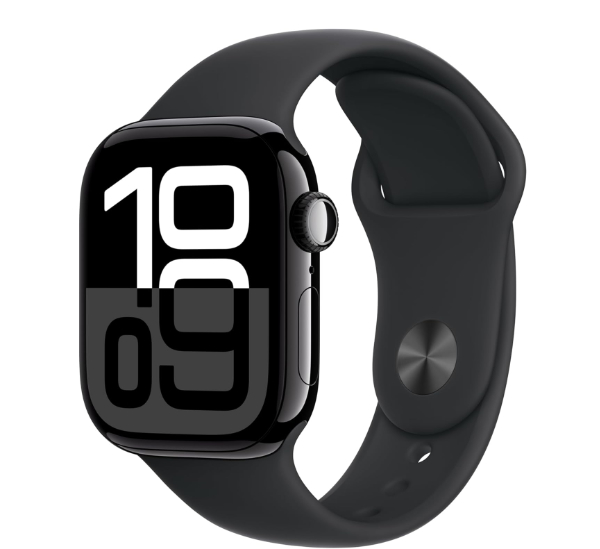
The Apple Watch Series 10 represents a significant leap in wearable display technology and physiological monitoring. With its wide-angle OLED panel, the device offers 40% higher brightness when viewed at off-axis angles, ensuring that metrics remain legible during high-intensity movement. From a health perspective, the introduction of the Vitals app provides a centralized view of overnight metrics - heart rate, respiratory rate, and wrist temperature - to identify deviations from a user's baseline, often signaling the onset of illness before physical symptoms manifest.
Technically, the Series 10 excels due to its S10 SiP (System in Package) and a 4-core Neural Engine that handles complex data processing on-device. This includes the ability to detect signs of sleep apnea by monitoring breathing disturbances over a 30-day period. The integration of a depth gauge and water temperature sensor further expands its utility for aquatic activities, making it a versatile tool for both land and water-based training.
The primary limitation remains the 18-hour battery life, which necessitates a disciplined charging routine, typically during morning hygiene or evening rest. While fast charging has improved - reaching 80% in approximately 30 minutes - users seeking multi-day endurance for long-distance endurance events may find the hardware restrictive. Furthermore, its features are locked into the Apple ecosystem, requiring an iPhone for initial setup and ongoing data synchronization.
The Series 10 utilizes a Low-Temperature Polycrystalline Oxide (LTPO) display. Unlike standard OLEDs, LTPO allows the backplane to switch refresh rates dynamically from 60Hz down to 1Hz. This is achieved by using an oxide TFT (Thin Film Transistor) for the switching circuits, significantly reducing leakage current and enabling the "Always-On" feature without catastrophic battery drain.
Best for Performance Athletes: Garmin Forerunner 265
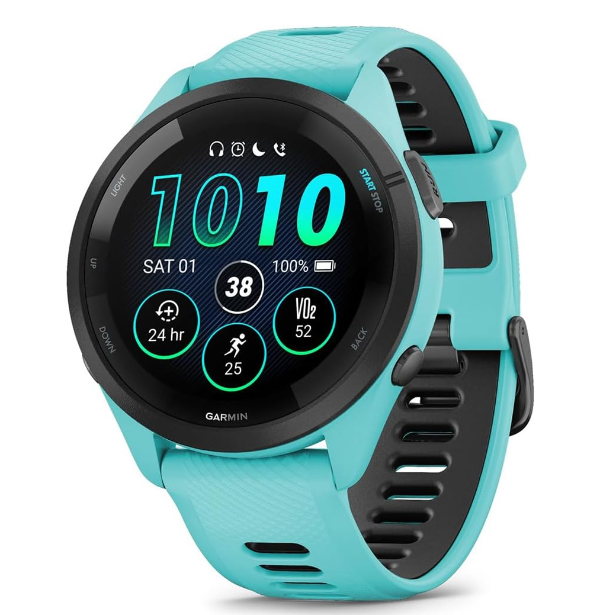
Garmin's Forerunner 265 is engineered specifically for the rigors of endurance training. Its standout feature is the vibrant AMOLED touchscreen, which bridges the gap between traditional transflective sports watches and modern smartwatches. The device provides "Training Readiness" scores - a proprietary metric that synthesizes sleep quality, recovery time, and acute training load into a single 0-100 value, helping athletes decide whether to push for a personal best or opt for an active recovery day.
Under the hood, the Forerunner 265 utilizes SatIQ technology to manage Multi-Band GNSS (Global Navigation Satellite System) reception. This allows the watch to access multiple satellite frequencies (L1 and L5) simultaneously in challenging environments, such as urban canyons or dense forests, while automatically switching to a lower-power GPS mode in open areas to preserve battery life. The result is a device that provides exceptional tracking precision without compromising its 13-day battery lifespan in smartwatch mode.
While the hardware is robust, the user interface can be complex for beginners. The sheer volume of data - ranging from stride length and ground contact time to HRV status - requires a learning curve to fully utilize. Additionally, while it supports music storage and Garmin Pay, it lacks the deep third-party app ecosystem found on dedicated smartwatches like those from Apple or Google.
Standard GPS operates on the L1 frequency, which is susceptible to multipath errors (signals reflecting off buildings). Multi-band systems add the L5 frequency, which has a higher bandwidth and a more complex signal structure. This allows the receiver's processor to distinguish between direct signals and reflected noise, drastically improving positioning accuracy to within 2-3 meters even in difficult conditions.
Best for General Health: Fitbit Charge 6
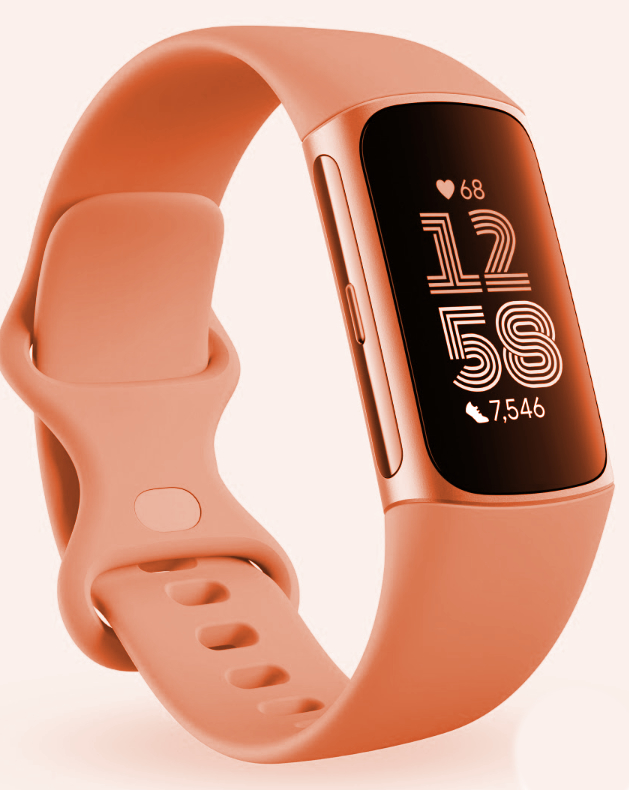
The Fitbit Charge 6 is the brand's most accurate tracker to date, benefiting significantly from Google's machine learning expertise. It features a refined optical heart rate sensor that Fitbit claims is up to 60% more accurate during vigorous activities compared to its predecessor. This is achieved through enhanced signal processing that better filters out "noise" generated by movement and perspiration, making it a reliable companion for HIIT and metabolic conditioning sessions.
Beyond heart rate, the Charge 6 includes a multipurpose electrical sensor that supports both ECG (Electrocardiogram) readings for atrial fibrillation detection and EDA (Electrodermal Activity) scans for stress management. By measuring small changes in skin conductance, the device quantifies the body's physiological response to stress, encouraging users to utilize built-in mindfulness tools. The integration of Google Maps and Google Wallet adds a layer of practical utility for those who prefer to leave their phones behind during short runs.
However, the user experience is heavily tied to the Fitbit Premium subscription. While basic tracking is free, long-term trends and detailed sleep breakdowns are behind a paywall. Additionally, the small screen - while power-efficient - can be difficult to interact with for users with larger hands, and the lack of physical buttons (relying on a haptic side sensor) can be finicky during sweaty workouts.
EDA sensing works by applying an undetectable electrical micro-current to the skin via the tracker's metallic bezel. The device measures "sweat gland activity" by tracking changes in skin conductance. These "EDA responses" are linked to the sympathetic nervous system; more frequent responses typically correlate with higher levels of emotional or physical stress.
Best for Recovery Science: WHOOP 4.0
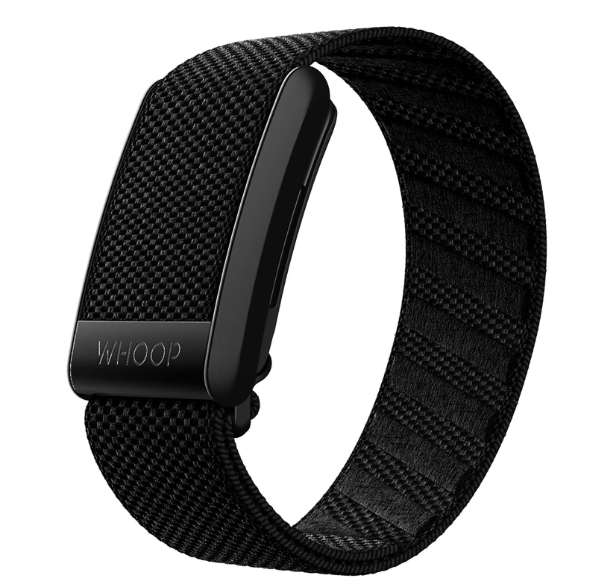
WHOOP 4.0 occupies a unique niche by eschewing the screen entirely in favor of high-fidelity data collection. By sampling heart rate at 52Hz - 52 times per second - WHOOP captures extremely granular data that is processed into three primary scores: Strain, Recovery, and Sleep. The device is designed to be worn 24/7, even offering a "battery pack" that slides onto the strap so the sensor never has to leave the wrist, ensuring no gaps in physiological data.
The core of WHOOP's value is its analysis of the autonomic nervous system through HRV. Independent studies have validated WHOOP's heart rate accuracy at 99.7% compared to gold-standard ECGs. This precision allows for the "WHOOP Journal," where users can track behaviors like caffeine intake or blue light exposure and see the statistically significant impact those choices have on their next-day recovery. It is a tool for the data-obsessed user looking to optimize their lifestyle through evidence-based adjustments.
The trade-off is a mandatory subscription model; the hardware is essentially "free" with the service commitment. Furthermore, without a screen, you cannot see the time or live workout stats on your wrist. This makes WHOOP more of a lifestyle optimizer than a traditional "sports watch," requiring the user to rely entirely on the mobile app for feedback.
While many trackers sample HR every few seconds to save battery, WHOOP samples at 52Hz. This high frequency is critical for calculating Heart Rate Variability (HRV), which measures the millisecond variations between heartbeats (R-R intervals). Higher sampling rates reduce the interpolation error, providing a more accurate snapshot of the balance between the sympathetic and parasympathetic nervous systems.
Best Minimalist Option: Garmin Vivosmart 5
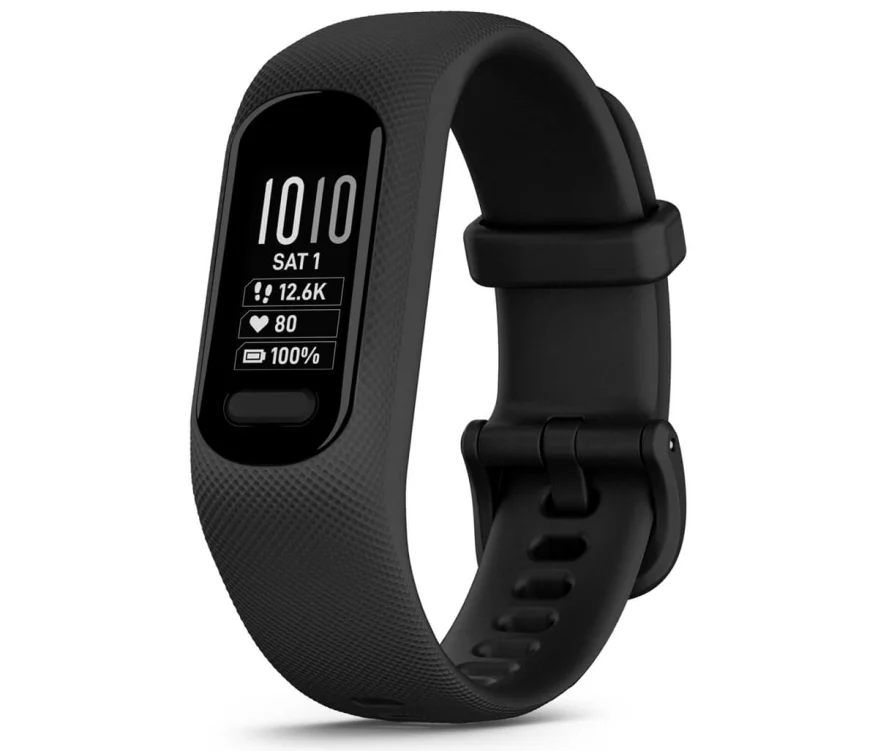
The Garmin Vivosmart 5 is designed for users who want Garmin’s powerful "Body Battery" and sleep tracking metrics without the bulk of a full-sized watch. It features an OLED display that is 66% larger than its predecessor, improving legibility for basic notifications and activity stats. Despite its small size, it maintains a 7-day battery life and includes a Pulse Ox sensor to monitor blood oxygen saturation levels during the night.
One of its strongest technical features is "Body Battery," which uses a combination of HRV, stress, and activity data to estimate your energy reserves throughout the day. It provides a visual representation of how your body is "recharging" during rest and "draining" during stress or exertion. The Vivosmart 5 also includes incident detection for outdoor activities, which can send a message with your live location to emergency contacts if a fall is detected while paired with a smartphone.
The most significant limitation is the lack of built-in GPS; the device relies on "Connected GPS," meaning it must be paired with a phone to track distance and pace for outdoor runs or cycles. The lens is made of acrylic rather than Gorilla Glass, making it more prone to scratches over time. It is a device tailored for 24/7 wellness tracking rather than high-precision athletic performance.
The Vivosmart 5 uses reflectance pulse oximetry, where red and infrared light are shone into the skin and the reflected light is measured. Oxygenated hemoglobin absorbs more infrared light, while deoxygenated hemoglobin absorbs more red light. By calculating the ratio of these reflected wavelengths, the device can estimate peripheral oxygen saturation (SpO2) within a 2-3% margin of error.
How We Chose These Products
Our selection process involved analyzing sensor hardware specifications, data sampling rates, and software algorithmic validity. We prioritized devices that provide transparent biometric data (such as HRV and SpO2) and have undergone third-party validation or peer-reviewed study comparisons. Criteria included:
- Sensor Precision: Ability to maintain heart rate lock during high-intensity movement (HIIT) and swimming.
- Data Ecosystem: How effectively the raw sensor data is converted into actionable health insights (e.g., Training Readiness, Body Battery).
- Hardware Reliability: Water resistance ratings (5 ATM minimum), display durability (Corning Gorilla Glass or OLED), and battery chemistry.
- Accessibility: Ease of data export and compatibility with broader health platforms like HealthKit or Google Fit.
Comparison Overview
| Model | Primary Sensor | GPS Type | Battery Life | Best Use Case |
|---|---|---|---|---|
| Apple Watch Series 10 | Gen-3 Optical + ECG | Built-in GNSS | 18-36 Hours | Smart Ecosystem |
| Garmin Forerunner 265 | Elevate Gen 4 | Multi-Band SatIQ | 13 Days | Performance Running |
| Fitbit Charge 6 | Refined Optical + EDA | Built-in GPS | 7 Days | Lifestyle Wellness |
| WHOOP 4.0 | 5-LED PPG (52Hz) | None (App Only) | 5 Days | Recovery Science |
| Garmin Vivosmart 5 | Elevate Gen 3 | Connected GPS | 7 Days | Minimalist Tracking |
Buying Guide: What to Look For
- PPG Sensor Quality: Look for trackers with multi-LED arrays (Green, Red, IR). More LEDs allow for better light penetration through various skin tones and more accurate readings during movement.
- GPS Accuracy vs. Battery: Multi-band (L1+L5) is the gold standard for accuracy but drains battery faster. If you run in open areas, standard GPS is sufficient; for cities, Multi-band is essential.
- HRV (Heart Rate Variability): This is the most critical metric for assessing recovery. Ensure the tracker provides raw HRV data or a recovery score derived from it.
- Material Science: For 24/7 wear, silicone or fabric bands are superior for comfort. Look for fiber-reinforced polymer or titanium cases if you plan on participating in contact sports or rugged outdoor activities.
- Subscription Costs: Some brands (WHOOP, Fitbit) require monthly fees for full data access. Factor this into the total cost of ownership over two years.
General Pro / Cons
| Common Strengths |
|---|
| Highly accurate heart rate monitoring at rest |
| Excellent sleep stage analysis (REM/Deep/Light) |
| Advanced "Always-On" display technology |
| Lightweight, ergonomic designs for 24/7 wear |
| Water resistance suitable for swimming |
| Comprehensive mobile apps for data visualization |
| Passive health notifications (e.g., AFib detection) |
| Seamless integration with smartphones |
| Common Weaknesses |
|---|
| Decreased HR accuracy during high-wrist-flexion exercises |
| Battery life remains a bottleneck for smartwatches |
| Proprietary charging cables create e-waste issues |
| Ecosystem lock-in limits device switching |
| Step counting can be skewed by non-walking arm movements |
| Sleep tracking may misidentify quiet wakefulness as light sleep |
| Subscription fees for advanced analytics |
| Small screens can be difficult to navigate in motion |
Final Summary
The selection of a fitness tracker should be driven by your specific physiological goals. For the athlete, the Garmin Forerunner 265's recovery metrics and GPS precision are unmatched. For the user seeking a holistic view of their health within a premium interface, the Apple Watch Series 10 is the clear leader. If you prefer a screen-free life of pure data optimization, WHOOP 4.0 offers a unique, evidence-based approach to wellness. Each of these devices represents the current peak of wearable technology, providing the data necessary to make informed lifestyle decisions.
Aggregate rating of the products reviewed: 4.64 out of 5.