
Stop Guessing, Start Choosing!
Honest, in-depth product reviews to help you buy the best products with confidence.
Our Latest Top Rated Picks For Kitchen
Best Coffee Bean Grinders
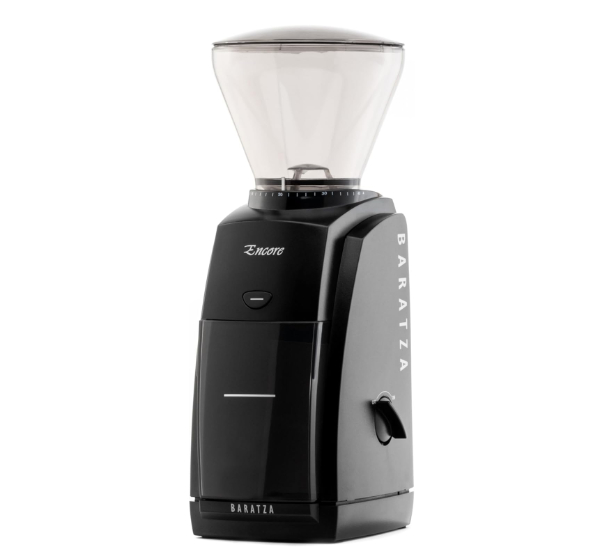 The single most important variable in your morning cup isn't the coffee machine - it is the particle size distribution of your coffee grounds. If your grind is uneven, consisting of both dust-like "fines" and giant "boulders," the water will over-extract the small bits (making it bitter) and under-extract the big bits (making it sour) at the same time. This is why cheap blade grinders, which effectively smash beans into random shards, are the enemy of good flavor.
 Best Over-the-range Microwaves
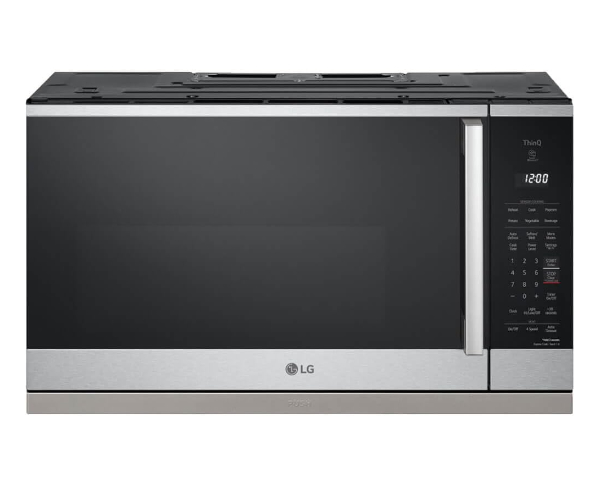 Upgrading to an over-the-range (OTR) microwave is one of the quickest ways to reclaim precious counter space, but it introduces a complex web of technical hurdles. Unlike a standard countertop model that you simply plug in, an OTR unit acts as both a high-powered cooking appliance and your stove's primary ventilation system. This dual-purpose nature means you cannot just look at wattage; you have to evaluate fan power, ducting capabilities, and mounting requirements.
Best Countertop Ice Cream Machines
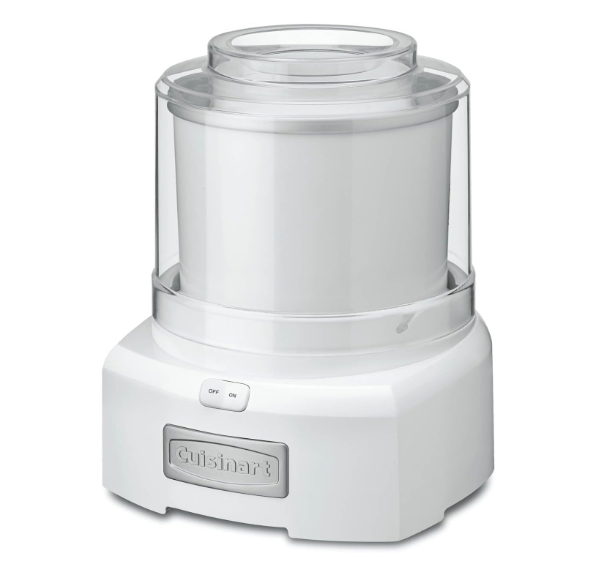 Making ice cream at home is a battle against science. The ultimate goal is to create the smallest ice crystals possible, which yields that luxurious, silky mouthfeel we associate with high-end gelatos. When ice crystals grow larger than 50 microns, your tongue detects them, and the ice cream tastes "gritty" and cheap. To combat this, countertop ice cream machines rely on two technical variables: rapid freezing and consistent agitation (churning).
Best Kitchen Garbage Disposals
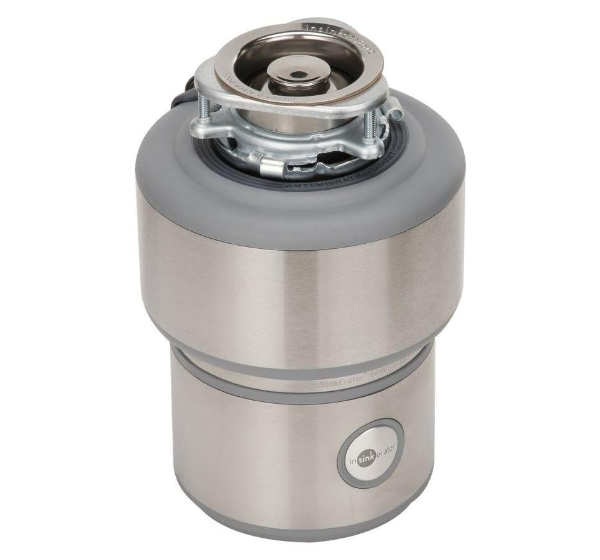 A kitchen garbage disposal is one of those appliances you do not think about until it fails, usually resulting in a backed-up sink full of murky water right before a dinner party. Many homeowners get tripped up by Horsepower (HP) ratings and motor types. They assume a higher HP automatically means a better disposal, but the material construction of the grind chamber and the type of electrical motor used are just as important for longevity and preventing frustrating jams.
Best Skillets for a Gas Stove
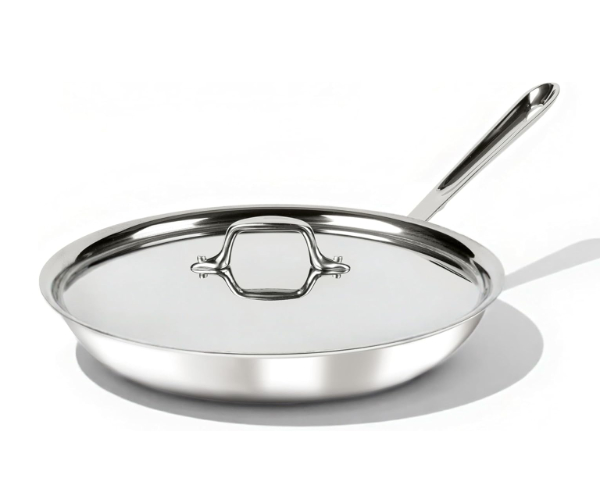 Cooking on a gas stove is an exercise in managing raw, immediate heat. Unlike induction or electric coils, gas burners produce an open flame that can wrap around the sides of a pan, creating "hot spots" where the flames lick the metal directly. To master this, a skillet needs more than just a brand name; it needs a physical construction capable of "smoothing out" that aggressive heat profile. We look for materials with high thermal conductivity and heavy bases that won't warp when exposed to the high-BTU output of a professional-grade home range.
Best Knife Sets for the Beginning Cook
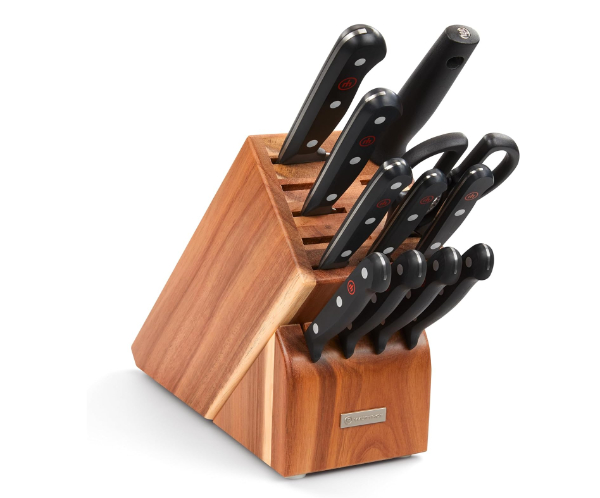 Entering the world of home cooking often starts with a daunting realization: the knives you currently own are likely making your life harder. Most beginners struggle not because they lack skill, but because their blades lack the edge geometry and Rockwell hardness necessary to glide through a butternut squash without a fight. A proper starter set shouldn't just be "sharp"; it should be balanced, easy to maintain, and resilient enough to survive the occasional learning mistake.
Best Proofing Drawers for Bakers
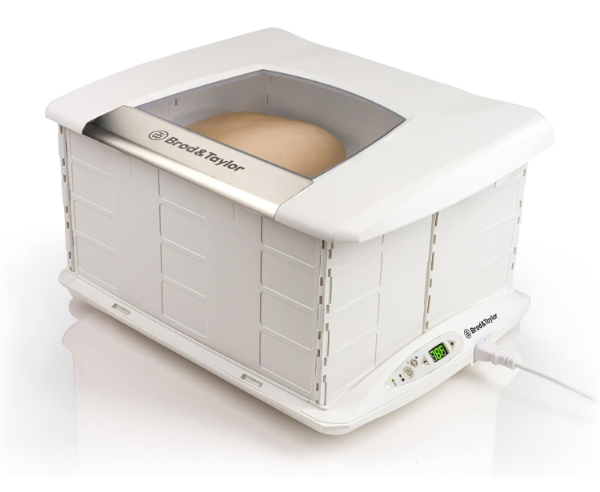 For the serious baker, the kitchen environment is often the biggest variable and the most common cause of failure. Yeast is a living organism that is hyper-sensitive to its surroundings; a five-degree drop in room temperature can stall fermentation, while a dry draft can form a "skin" on your dough that prevents a proper oven spring. A dedicated proofing drawer solves this by creating a controlled microclimate, maintaining the ideal 75?F to 95?F range required for optimal CO2 production in sourdough and enriched doughs alike.
Best Countertop Microwave Ovens
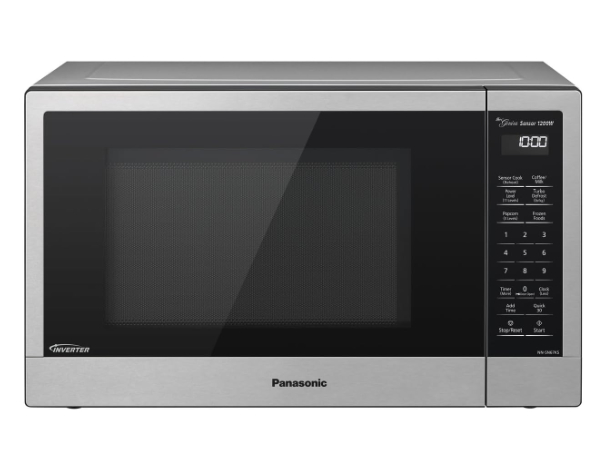 For decades, the countertop microwave was a "dumb" appliance - a heavy transformer-based box that simply blasted food with 2.45 GHz radiation until it was hot (and often rubbery). However, modern microwave engineering has moved toward sophisticated power management and sensory feedback. The primary hurdle for most buyers is no longer just finding a unit that fits on the counter, but understanding the trade-offs between traditional "pulsed" power and modern "Inverter" delivery systems.
Best Vacuum Sealers for Home Use
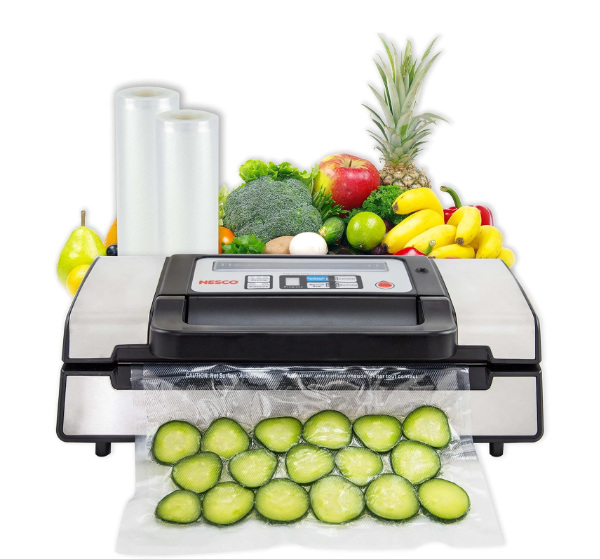 Vacuum sealing is the process of removing atmospheric oxygen from a storage container to halt the aerobic respiration of bacteria and fungi. In a typical kitchen environment, oxidation is the primary driver of food spoilage, turning fats rancid and stripping vibrant colors from produce. By reducing the internal pressure within a bag to approximately 20 to 25 inches of Mercury (InHg), you effectively create a biological "time capsule" that can extend the shelf life of proteins and grains by up to five times their normal duration.
 Best Mandoline Slicer for Vegetables
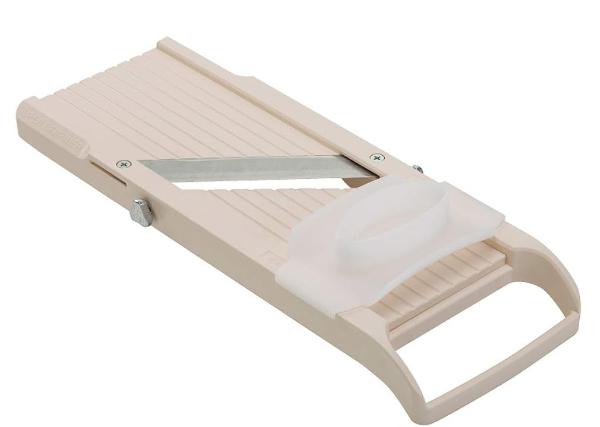 The mandoline slicer is arguably the most intimidating tool in the culinary arsenal, yet it remains indispensable for achieving the mathematical uniformity required for professional-grade cooking. Whether you are aiming for paper-thin translucent radishes or uniform 3mm julienne carrots, the human hand simply cannot compete with the mechanical consistency of a fixed blade. However, the hesitation many feel toward these tools is grounded in a very real concern for safety and the complexity of blade maintenance.
Best Pasta Machines for Home
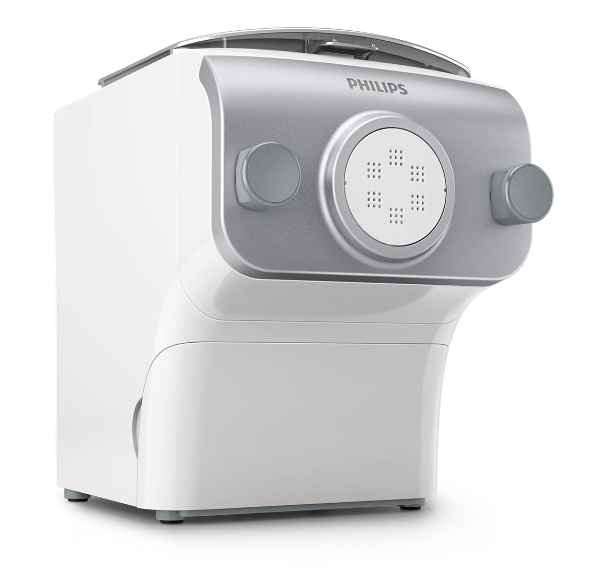 Making pasta at home is often presented as a romantic, flour-dusted weekend activity, but the reality is a struggle between human patience and the elastic strength of gluten. Most people hesitate because they fear the technical learning curve or simply don't have the counter space for more bulky appliances. The goal of a quality machine is to provide consistent, repeatable pressure that a rolling pin simply cannot achieve, ensuring your noodles have that elusive "al dente" bite rather than a mushy, uneven texture.
Best Digital Meat Thermometers
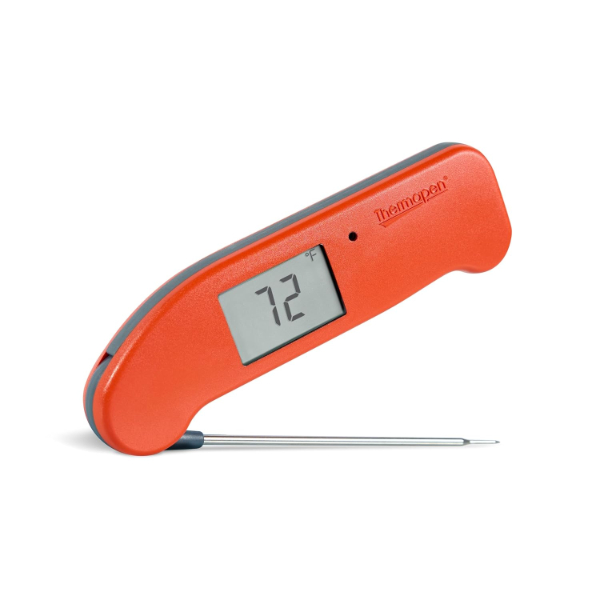 Cooking meat to a specific internal temperature is the only verifiable way to guarantee both safety and quality. While many home cooks rely on "feel" or time-based estimates, these methods are notoriously inaccurate due to variables like meat thickness, starting temperature, and oven calibration. A digital meat thermometer removes the guesswork by providing real-time data on the thermal energy at the core of your food. This is the difference between a dry, overcooked chicken breast and one that is safely pasteurized yet retains its moisture.