
Best Home Battery Systems for Solar Power of 2026
A technical guide to the most reliable energy storage solutions for energy independence, backup power, and grid-tied optimization.
Introduction
The landscape of home energy has shifted from "selling power back to the grid" to "keeping your power at home." As utilities reduce the value of solar exports (Net Metering 3.0), a battery system is no longer a luxury - it is the financial engine that makes solar pay off. However, the technical jargon surrounding "kilowatt-hours" and "continuous power" can be daunting. In simple terms, your battery is the fuel tank for your home, and the solar panels are the pump. If your tank is too small, you waste energy; if the pump nozzle is too narrow, you can't run your AC when the grid goes down.
When evaluating these systems, we focus on three pillars: Capacity (how much total energy is stored), Power Output (how many appliances you can run at once), and Chemistry. Most modern leaders have moved toward Lithium Iron Phosphate (LFP). Unlike the Nickel Manganese Cobalt (NMC) batteries in older phones or laptops, LFP does not contain cobalt, is significantly less prone to "thermal runaway" (fire), and can be charged to 100% daily for a decade without significant degradation. These picks represent the bleeding edge of LFP and high-efficiency energy management.
Best for New Solar Installs: Tesla Powerwall 3
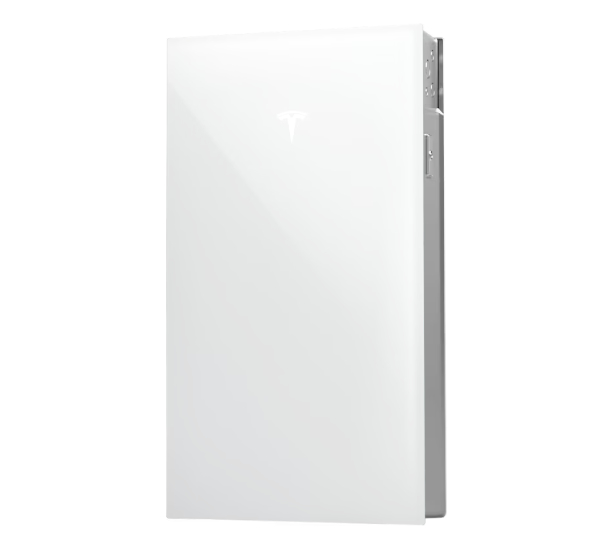
The Powerwall 3 is a radical departure from its predecessor because it includes an integrated solar inverter. Traditionally, you needed a separate box to turn the sun's DC power into the AC power your house uses. By housing both in one unit, Tesla reduces the "conversion tax" - the energy lost as heat during that change. It boasts a 13.5 kWh capacity and can deliver a staggering 11.5 kW of continuous power. Why it matters: This is enough to start and run a 5-ton central air conditioner during a blackout, something older batteries simply couldn't handle without multiple units.
Technically, the Powerwall 3 uses a massive cooling system to maintain an optimal internal temperature, allowing it to function in environments from -4?F to 122?F. It is also designed for "expansion," allowing you to add more storage units without adding more inverters. This saves significant cabinet space and labor costs during installation. The software remains the gold standard, offering "Storm Watch" modes that automatically charge the battery if the National Weather Service detects an incoming severe weather event.
The primary downside is the "walled garden" effect. Because the inverter is built-in, it is most efficient when paired with Tesla-compatible solar panels or used in brand-new installs. Retrofitting it to an existing solar system with a perfectly good inverter can feel redundant and expensive. Furthermore, Tesla's customer support is notoriously centralized, meaning you rely heavily on their app for troubleshooting rather than a local technician.
The Powerwall 3 features a solar-to-battery round-trip efficiency of approximately 89%. Why it matters: In older AC-coupled systems, energy went DC (Solar) -> AC (Inverter) -> DC (Battery) -> AC (Home). Each jump lost 3-5%. By going DC directly to DC, Tesla preserves more of your generated "fuel."
Best Reliability & Modularity: Enphase IQ Battery 5P
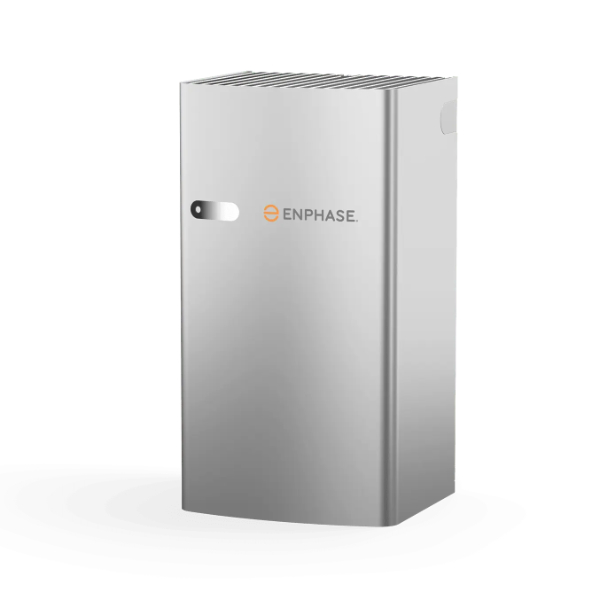
Enphase is famous for its "no single point of failure" philosophy. The IQ Battery 5P uses multiple micro-inverters inside each 5 kWh unit. Why it matters: If a single component fails in a Tesla Powerwall, the whole battery is offline. If a micro-inverter fails in an Enphase system, the other five continue to hum along, ensuring you aren't left in the dark. It is the most "empathetic" choice for homeowners who prioritize peace of mind over raw spec-sheet dominance.
This system uses LFP (Lithium Iron Phosphate) chemistry with a "15-year limited warranty" - the longest in the industry. It provides a 3.84 kW continuous power rating per 5 kWh unit. While that sounds lower than Tesla, the "Peak Power" rating is 7.68 kW for 3 seconds. Why it matters: This high "burst" power is specifically designed to handle the massive electrical surge required to start an appliance motor (like your fridge compressor or a well pump) without tripping the system.
The trade-off is the cost per kilowatt-hour. Because each unit contains its own sophisticated micro-inverter array, the price per stored unit of energy is higher than "dumb" battery stacks. It also requires the Enphase IQ System Controller to manage the transition from grid-power to battery-power, which adds to the setup complexity and hardware cost. However, for users already in the Enphase solar ecosystem, this is a seamless "plug-and-play" upgrade.
The Enphase 5P is rated for 6,000 cycles at 100% Depth of Discharge (DoD). Why it matters: Most phone batteries die after 500-1,000 cycles. This LFP system can be drained to zero and filled to the top every day for 16 years and still hold the majority of its original capacity.
Best Whole-Home Backup: FranklinWH aPower
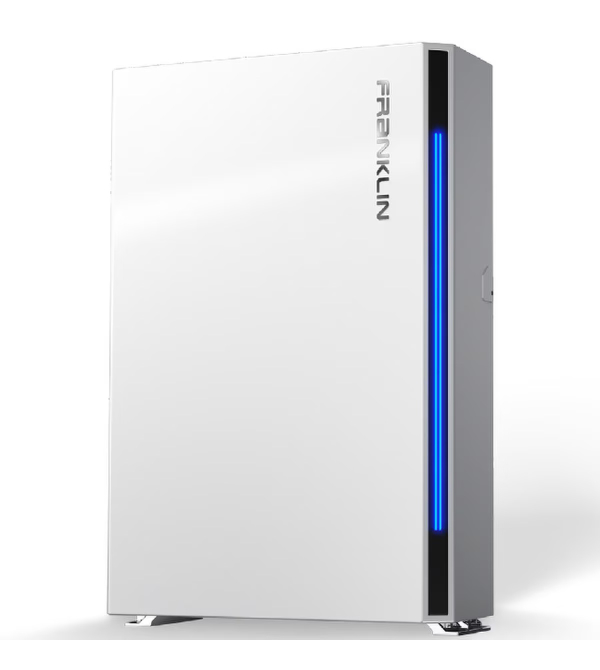
FranklinWH is the rising star in the industry, focusing on "Energy Management" rather than just storage. Each aPower unit holds 13.6 kWh, but the magic is in the aGate controller. Why it matters: Most batteries require you to choose a few "critical loads" (fridge, lights) to power during a blackout. FranklinWH is designed to backup your entire main electrical panel, allowing you to use your house as if the grid never went down, provided you manage your consumption through their smart app.
It stands out technically due to its "AC Coupled" nature, meaning it can be added to any existing solar system regardless of the inverter brand (SMA, SolarEdge, Enphase, etc.). It delivers 5 kW of continuous power and 10 kW of peak power. Why it matters: This high peak capacity ensures that even heavy-duty tools or older, inefficient appliances won't shut the battery down due to an "overcurrent" error. It is a "heavy-lifter" in the battery world.
The honest downside is the brand's relatively short track record compared to giants like Tesla or Generac. While the hardware is impressive and uses high-grade LFP cells, long-term fleet data isn't as robust. It also takes up a fair amount of wall space; it's a sleek unit, but at nearly 400 lbs, it requires professional mounting on a reinforced wall or a dedicated floor stand.
The aPower supports "Black Start" via its internal power supply. Why it matters: If your battery hits 0% at night and the grid is down, most batteries can't "wake up" to accept solar power the next morning. FranklinWH keeps a tiny reserve to reboot the system when the sun hits the panels.
Best Versatility: EcoFlow Delta Pro Ultra
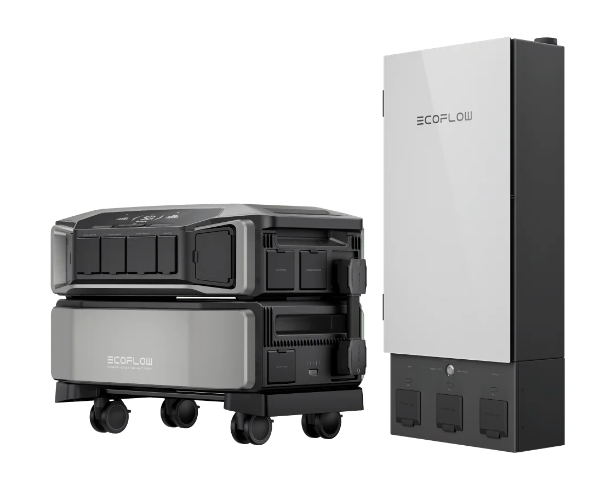
The EcoFlow Delta Pro Ultra bridges the gap between a portable "power station" and a permanent home battery. It is a modular system where you "stack" 6 kWh battery blocks on top of each other. Why it matters: You don't have to spend $15,000 on day one. You can start with one block and add more as your budget allows, eventually reaching a massive 90 kWh capacity. This "pay-as-you-grow" model addresses the high cost barrier that keeps many people out of the solar game.
Technically, the Delta Pro Ultra is an "all-in-one" solution that includes an inverter capable of 7.2 kW continuous output (up to 21.6 kW with multiple units). It supports "Proprietary Dual-Voltage" output, meaning it can provide both 120V (standard plugs) and 240V (dryers, EV chargers) directly from the unit. Why it matters: It can be integrated into your home via a manual transfer switch, making it significantly easier (and cheaper) to install than a permanent wall-mounted system that requires high-voltage wiring by an electrician.
The trade-off is the aesthetics and environmental rating. Unlike the Tesla or Enphase units, which are rated for outdoor installation, the EcoFlow is primarily an indoor unit. It has wheels and a handle, but it looks more like a high-tech computer server than a piece of home infrastructure. It is the best choice for the "prosumer" who wants to tinker with their energy or use the battery for a van/RV trip occasionally, but it lacks the "install it and forget it" permanence of other systems.
EcoFlow uses high-frequency Silicon Carbide (SiC) inverters. Why it matters: SiC is more efficient and creates less heat than traditional silicon. This allows the unit to be smaller and quieter, fitting comfortably in a laundry room or garage without a noisy cooling fan.
Best Efficiency: Generac PWRcell
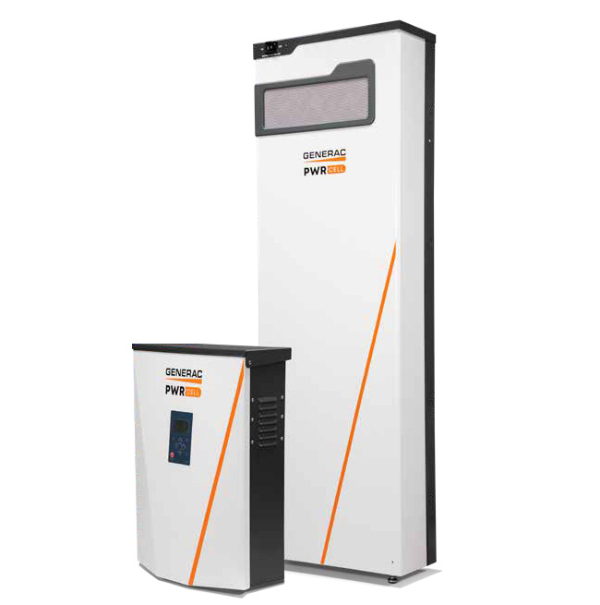
Generac built its empire on gas generators, but the PWRcell is their high-efficiency clean energy play. This is a "DC-Coupled" system, meaning the electricity stays as DC from the panels all the way into the battery. Why it matters: In an AC-coupled system (like Powerwall 2), energy is converted multiple times, losing about 10-15% of your power. The PWRcell keeps those losses to a minimum, ensuring that every drop of sunshine captured is actually stored.
The system is highly scalable, using 3.0 kWh battery modules that slide into a vertical cabinet. You can start with 9 kWh and scale up to 18 kWh in a single cabinet. Why it matters: This vertical design has the smallest "footprint" of any major battery system. If you have a crowded garage or limited wall space, the PWRcell cabinet is significantly more compact than having three or four individual battery boxes lined up on your wall.
The honest trade-off here is the ecosystem lock-in. To get the high efficiency of a DC-coupled system, you must use Generac's PWRcell inverter and their "PV Link" optimizers on your roof. You cannot easily add this to a system that already has a different brand of inverter. It is a "full-package" commitment. Additionally, Generac uses a high-voltage battery architecture which is extremely efficient but requires specialized training for installers to handle safely.
The PWRcell operates on a high-voltage DC bus (360V-420V). Why it matters: Higher voltage allows for thinner wires and lower resistance. This reduces "I2R losses" (power lost as heat in the wires), making it the most efficient way to move energy over long distances in a large home.
How We Chose These Products
We evaluated these systems based on the Energy-Resilience Matrix. We prioritize Usable Capacity (what you can actually use vs. what is on the sticker) and Continuous Power (whether it can actually run your life). Our picks must utilize LFP chemistry or have industry-leading thermal management to ensure safety. We also factored in the "Installer Network" - a battery is only as good as the person putting it in. We chose brands with robust certified installer programs so you aren't left with a "brick" on your wall if your original contractor goes out of business.
Comparison Overview
| Model | Chemistry | Capacity (kWh) | Continuous Power | Coupling Type |
|---|---|---|---|---|
| Tesla Powerwall 3 | LFP | 13.5 | 11.5 kW | Integrated (DC/AC) |
| Enphase IQ 5P | LFP | 5.0 (Modular) | 3.84 kW | AC Coupled |
| FranklinWH aPower | LFP | 13.6 | 5.0 kW | AC Coupled |
| EcoFlow Delta Pro Ultra | LFP | 6.0 (Modular) | 7.2 kW | Versatile |
| Generac PWRcell | NMC | 9.0 - 18.0 | 9.0 kW | DC Coupled |
Note: Generac uses a proprietary high-efficiency NMC blend with advanced thermal casing.
Buying Guide: What to Look For
- AC vs. DC Coupling: DC coupling is more efficient for new systems. AC coupling is better for adding a battery to an existing solar array.
- Continuous vs. Peak Power: Continuous power is what you can run for hours (like your fridge). Peak power is what the battery can handle for a few seconds (like starting a motor). Ensure your battery's peak power is higher than your largest appliance's "Locked Rotor Amps" (LRA).
- Depth of Discharge (DoD): Look for 100% DoD. This means you can use all the energy you paid for without damaging the battery.
- Round-Trip Efficiency: Aim for 85% or higher. This measures how much energy you get back out compared to how much you put in.
General Pro / Cons
| Pro | Con |
|---|---|
| Protects your home from utility power outages. | High upfront hardware and installation costs. |
| Reduces reliance on expensive "peak time" grid power. | Batteries lose some capacity over a 10-20 year lifespan. |
| LFP chemistry is non-combustible and safer for homes. | Requires significant wall or floor space in your garage. |
| Smart apps allow for real-time energy monitoring. | Can be complicated to integrate with older electrical panels. |
| Increases the total ROI of your solar panel system. | Some systems have "ecosystem lock-in" requirements. |
| Quiet operation compared to noisy gas generators. | Environmental impact of lithium mining and recycling. |
Final Summary
The best home battery is the one that fits your specific solar architecture. If you are starting fresh, the Tesla Powerwall 3 offers unmatched power and simplicity. If you value modularity and a long-term warranty, the Enphase IQ Battery 5P is the safest bet for longevity. For those who want to "backup the whole house" without picking and choosing circuits, FranklinWH provides the most robust energy management. Regardless of your choice, moving to LFP-based storage ensures your home is safer, more efficient, and ready for an uncertain grid future. Aggregate rating of the products reviewed: 4.6 out of 5.