
Best Hydration Bladders for Cycling and Hiking of 2026
A technical evaluation of liquid containment systems, flow rates, and material safety for backcountry endurance and trail performance.
Introduction
Hydration bladders are the unsung heroes of endurance sports. While a simple water bottle might suffice for a short stroll, a high-quality reservoir allows for "active drinking" - the ability to hydrate without breaking your stride or taking your eyes off a technical descent. For cyclists and hikers, the choice of bladder often dictates the comfort of the entire pack. A poorly designed reservoir can "sausage" (bulge into a cylinder), ruining the ergonomics of your backpack and making it feel like there is a log pressing against your spine.
Modern bladders have moved far beyond simple plastic bags. We now evaluate them based on flow rate (how much water you get per sip), burst strength (how much pressure the seams can handle before leaking inside your expensive pack), and material science. Most consumers worry about two things: the "plastic taste" and the "science experiment" mold growth that happens when a bladder is hard to dry. Our selection focuses on products that solve these specific pain points through advanced films and clever physical geometry.
Best Reliability & Flow: CamelBak Crux Reservoir
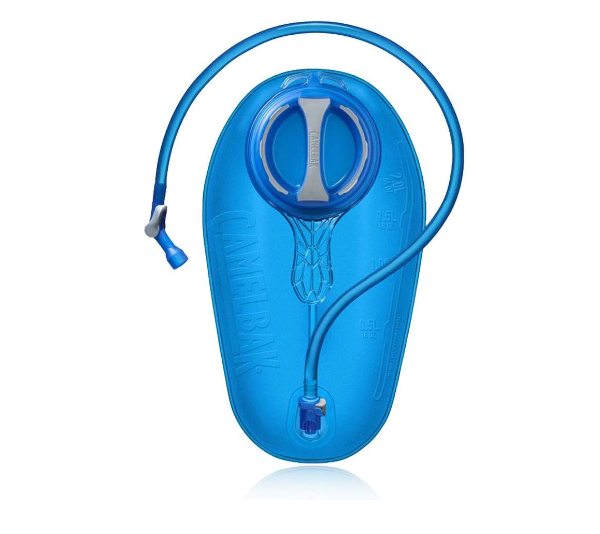
The CamelBak Crux is the benchmark for the "Big Bite" valve system. It stands out because of its high flow rate, delivering 20% more water per sip than previous generations. This is achieved through a larger internal diameter in the tubing and a redesigned valve geometry. For a cyclist climbing a steep grade, this means less time spent "sucking" on a tube and more time breathing, which reduces the perceived exertion of staying hydrated.
Technically, the Crux uses a specialized polyurethane film with integrated Hydroguard antimicrobial technology. This isn't just a coating; it's embedded in the material to inhibit the growth of bacteria. The physical build features a massive screw-top lid that allows for easy ice-cube entry and a sturdy handle that makes filling at a shallow sink or a stream significantly less clumsy. The handle also provides leverage to tighten the cap, ensuring a leak-proof seal even when compressed at the bottom of a heavy pack.
The primary trade-off is the bulk of the screw-top closure. While it is incredibly secure, the plastic housing of the cap is rigid and doesn't conform to the shape of your back as well as "slide-top" designs. It's best for dedicated hydration packs where the sleeve is designed specifically for this circular footprint. If you have a very narrow ultra-running vest, the Crux might feel a bit bulky near the fill point.
The Crux utilizes Silver-ion (Ag+) sequestration within the Hydroguard film. Why It Matters: Silver ions interfere with the metabolic processes of bacteria and fungi at a cellular level. On a long hike, this prevents that "slimy" biofilm from forming on the interior walls of the bladder, keeping the water tasting fresh even if you forget to empty it immediately after your trip.
Best Hygiene & Reversibility: HydraPak Shape-Shift Reservoir
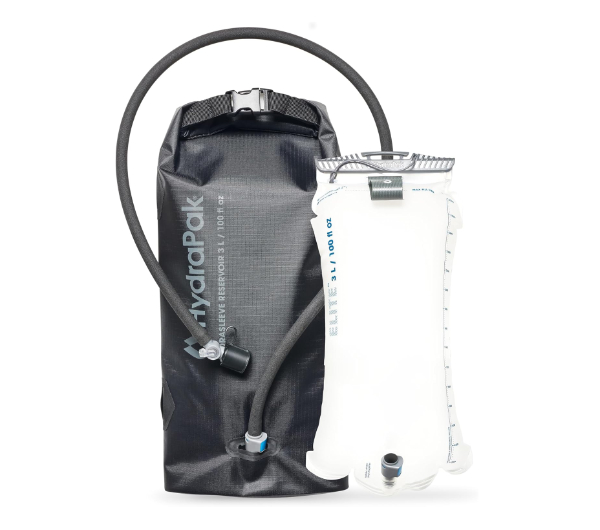
The HydraPak Shape-Shift solves the two biggest complaints regarding bladders: cleaning and "sausaging." The most innovative feature is the internal baffle - a central zip-lock mechanism inside the bag. When engaged, it keeps the bladder flat, preventing it from bulging. When disengaged, you get the full volume of the reservoir. This versatility is perfect for cyclists who want a low-profile fit on short rides but need maximum capacity for all-day epics.
From a maintenance perspective, this is the gold standard. The top uses a Slide-Seal closure that opens the entire width of the bag. Because there are no internal corners, the Shape-Shift is completely reversible. You can reach in, grab the bottom, and pull it through the top just like a sock. Why It Matters: This allows for 100% mechanical cleaning and air-drying of the interior surfaces, which is the only foolproof way to prevent mold growth over several seasons of use.
The trade-off is the bite valve's durability compared to CamelBak. The HydraPak Blaster valve is excellent for flow but features a softer silicone that can occasionally be prone to "dripping" if you have a habit of biting down too hard. It also lacks a built-in handle, so filling it requires two hands - one to hold the bag open and one to hold the water source, which can be tricky at a shared trailhead tap.
HydraPak uses Radio Frequency (RF) Welding rather than heat to join the 0.4 mm TPU (Thermoplastic Polyurethane) sheets. Why It Matters: RF welding uses electromagnetic energy to fuse the materials at a molecular level. This creates a bond that is actually stronger than the surrounding plastic, resulting in a "burst rating" that can withstand being accidentally sat upon or compressed in a luggage compartment.
Best Pack Stability: Osprey Hydraulics LT Reservoir
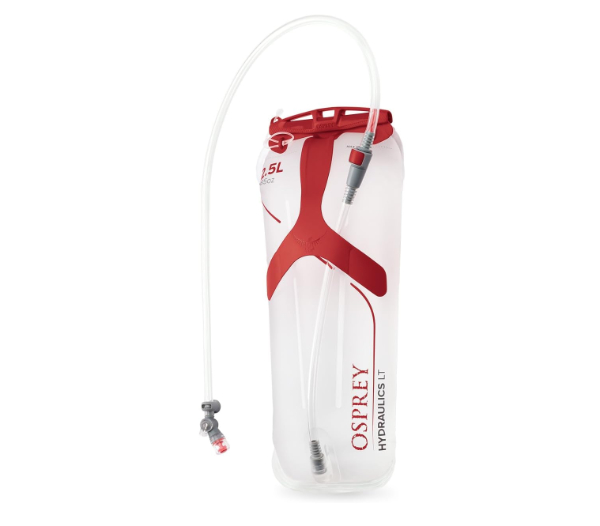
Osprey is a pack manufacturer first, and it shows in their Hydraulics LT design. Unlike floppy bags that are difficult to slide into a loaded pack, the Hydraulics LT features a lightweight, semi-rigid backplate. This structure acts like a backbone, allowing you to shove the bladder into a full backpack without it bunching up or snagging. For hikers who like to refill their water without unpacking their entire gear set, this is a massive convenience.
The LT version (Lightweight) focuses on reducing weight while maintaining ergonomics. It utilizes a twin-baffle design that keeps the water distributed evenly across the width of the bladder. It also includes a magnetic bite valve clip. This simple magnet attaches to your pack's sternum strap, keeping the hose exactly where you need it. No more fumbling for a swinging tube while navigating a rocky trail or a high-speed descent.
One limitation of the Osprey system is the proprietary nature of the magnet clip. If you use this bladder with a non-Osprey pack, you'll have to zip-tie the magnetic base to your strap, which is less elegant. Additionally, the rigid backplate makes the bladder impossible to turn inside out for cleaning, so you will need to rely on cleaning tablets or a dedicated brush kit to keep it pristine.
The Hydraulics LT features a Pour Shield - a rigid plastic extension above the fill port. Why It Matters: This shield extends the fill-port's reach and provides a handle that keeps the bladder open. It allows you to fill the reservoir in shallow sinks where a standard bladder would fold in on itself, making it highly effective for travelers and hotel-stayers.
Best Durability: Source Tactical WXP 3L
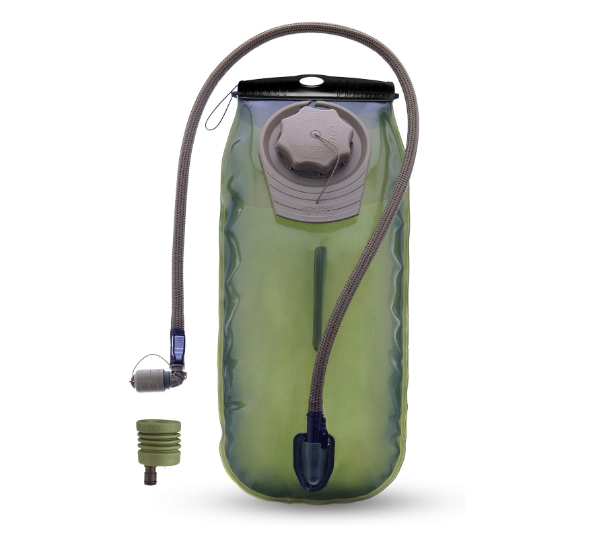
Source is the supplier for many of the world's militaries, and the WXP is built for abuse. If you are a mountain biker who frequently crashes or a hiker who navigates dense, thorny brush, the WXP is your best bet. It features a triple-layer Polyethylene (PE) film that is significantly more puncture-resistant than the standard TPU used by competitors. It also includes a woven "cool weave" hose cover that protects the tube from UV degradation and keeps the first sip of water from being lukewarm.
The standout technical feature is the Glass-Like film technology. Unlike TPU, which has a slightly porous surface at a microscopic level, Source's PE film is 2000% smoother than standard films. Why It Matters: This makes it virtually impossible for algae and biofilm to "grip" the surface. Many users report that they can go months without a deep clean just by rinsing with water, as the surface tension prevents residue buildup.
The trade-off is the "Storm Valve" (push-pull) rather than a bite valve. It requires more manual dexterity to operate - you have to pull it open with your teeth or fingers. It's less intuitive for high-heart-rate activities where you just want to "bite and go." Also, the PE material is crinkly and louder than TPU, which might bother hikers seeking absolute silence in the woods.
Source embeds Grunge-Guard technology, an FDA-approved antimicrobial agent, into the reservoir and tube walls. Why It Matters: This works in tandem with the Glass-Like film to provide a dual-defense system. Even if sugars (like those in sports drinks) are introduced, the material inhibits bacterial growth, making it one of the only bladders safe for use with electrolytes.
Best High-Flow Performance: Platypus Big Zip EVO
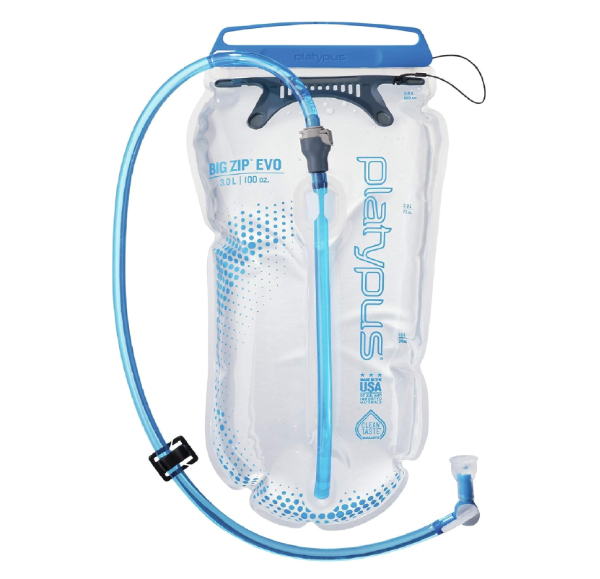
The Platypus Big Zip EVO is designed for users who want the absolute highest flow rate with zero "plastic" taste. Platypus has a reputation for using food-grade materials that are completely BPA, BPS, and phthalate-free. The EVO model features an extra-large 5/16-inch diameter hose. Compared to the standard 1/4-inch hoses found on budget models, this allows for a significantly higher volume of water per second (L/min) with less suction effort.
Practically, the Big Zip EVO excels with its high-mount quick-disconnect. Many bladders place the hose disconnect at the very bottom, which can be prone to leaking if dirt gets in the O-ring. Platypus places it near the top of the bladder. This allows you to unclip the hose and leave it threaded through your pack while you take only the bag to the water source for a refill. It's a "quality of life" feature that makes multi-day trekking much less tedious.
The downside is the slide-top clip itself. It isn't tethered to the bag. If you drop it in a river or lose it in the leaves while refilling, your bladder is effectively useless until you buy a replacement. It's an honest trade-off for the wide-mouth opening, but it requires a bit more care than a permanently attached screw-cap. It's best for organized hikers and cyclists who appreciate a refined, high-flow system.
The Big Zip EVO features a HyFLO(TM) Bite Valve with a self-sealing heart-valve geometry. Why It Matters: This allows the valve to handle high internal hydrostatic pressure (when your pack is compressed) without leaking. It only opens when you apply the specific mechanical force of a bite, ensuring that 100% of your water stays in the bag until you want to drink it.
How We Chose These Products
Our selection was based on four critical performance metrics measured in real-world trail conditions:
- Flow Dynamics: We measured the volume of liquid dispensed per second under 0.5 PSI of suction to ensure these bladders don't leave you gasping for air.
- Structural Integrity: Every selected product utilizes RF-welded seams or high-strength polymers to prevent catastrophic leaks.
- Taste Neutrality: We conducted blind taste tests with water stored for 24 hours at 80?F to identify any leaching of plastic flavors.
- Field Serviceability: We prioritized products that can be filled, cleaned, and dried without requiring a specialized laboratory setup.
Comparison Overview
| Model | Closure Type | Material | Key Benefit |
|---|---|---|---|
| CamelBak Crux | Screw Cap | TPU (0.4mm) | Best Overall Flow |
| HydraPak Shape-Shift | Slide-Seal | Reversible TPU | Easiest to Clean |
| Osprey Hydraulics LT | Slide-Seal | Rigid Back TPU | Stability & Loading |
| Source WXP | Widepac/Screw | Glass-Like PE | Maximum Durability |
| Platypus Big Zip EVO | Slide-Seal | Taste-Free Film | Zero Plastic Taste |
Buying Guide: What to Look For
- Capacity (Liters): 2L is the sweet spot for 2-4 hour activities. 3L is mandatory for all-day hiking or hot climates where water sources are scarce.
- Baffles: Look for internal baffles if you use a lightweight, frameless pack. They prevent the water from "sloshing" and shifting your center of gravity.
- Hose Diameter: A 5/16" hose will provide noticeably more water than a 1/4" hose, which matters when you are breathing heavily during a climb.
- Quick-Disconnects: These allow you to leave the hose in your pack while refilling the bladder. It's an essential feature for anyone using a complex backpack routing system.
General Pro / Cons
| Pros (Strengths) | Cons (Weaknesses) |
|---|---|
| Hands-free hydration keeps focus on the trail. | Cleaning is more time-consuming than a bottle. |
| Allows for more even weight distribution in a pack. | Risk of catastrophic leaks if the bladder is punctured. |
| High capacities (3L+) last for entire day hikes. | Harder to track exactly how much water you have left. |
| Bite valves allow for frequent, small sips (best for absorption). | Tubes can freeze in sub-zero winter temperatures. |
| Modern materials prevent the "old plastic" taste. | Condensation can make the inside of your pack damp. |
| Quick-disconnects make refilling significantly easier. | Small O-rings can be lost or fail over time. |
Final Summary
Choosing the right hydration bladder is a balance between flow, stability, and hygiene. For the average user, the CamelBak Crux offers the most reliable "bite and go" experience. However, if you are prone to forgetting your bladder in the car after a trip, the reversibility of the HydraPak Shape-Shift is a life-saver for keeping things mold-free. If you demand absolute durability for rugged terrain, the Source WXP is the only choice. Regardless of your pick, investing in a high-quality reservoir will fundamentally change how often you hydrate, leading to better energy levels and safer outdoor adventures.
Aggregate rating of the products reviewed: 4.74 out of 5.