
Best Moisturizers for Oily Skin of 2026
An authoritative guide to managing sebum production and maintaining hydration without the grease, featuring high-fidelity ingredient analysis and technical performance metrics.
Introduction
The oily skin paradox is one of the most frustrating challenges in personal care: your face feels like an oil slick by noon, yet it can still be "dehydrated." Many people with overactive sebaceous glands skip moisturizer entirely, fearing it will add fuel to the fire. However, when you starve oily skin of moisture, it often overcompensates by producing more oil to protect the skin barrier. The goal is not to dry the skin out, but to balance it using sophisticated formulas that provide water-based hydration without heavy occlusives (the "heavy" ingredients like petrolatum that trap oil and clog pores).
Buying a moisturizer for this skin type requires looking beyond the "oil-free" label. We evaluate products based on their ability to regulate sebum (oil) while delivering humectants (water-magnets). Technical factors like molecular weight of ingredients and the presence of micro-exfoliants determine whether a cream sits on top of your face or actually improves the skin's texture over time. We have selected five products that solve specific "pain points," from mid-day shine to large pores, ensuring your skin stays hydrated but matte.
Best for Shine Control: La Roche-Posay Effaclar Mat
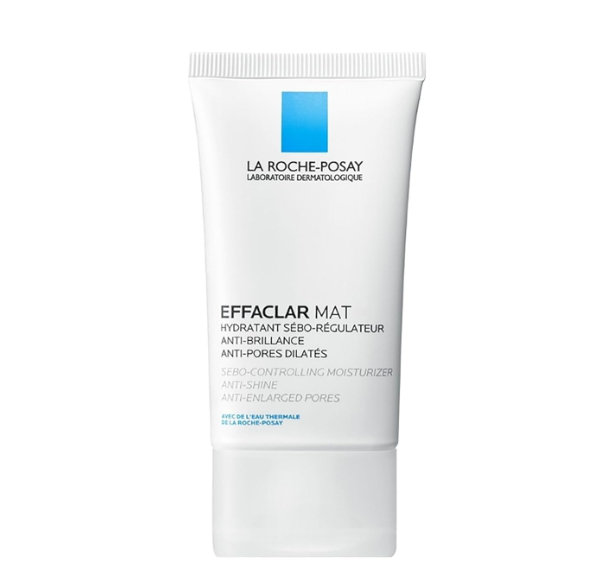
Effaclar Mat is a specialized "oil-free" formula that targets the physical appearance of shine and large pores simultaneously. Unlike standard moisturizers that just hydrate, this product uses Sebulyse technology to target excess oil at the source. It functions effectively as a primer, creating a smooth, velvet finish that prevents makeup from sliding off or skin from looking reflective under office lighting.
Technically, it relies on Lipo-Hydroxy Acid (LHA), a derivative of salicylic acid. LHA is more "lipophilic," meaning it loves oil. Why it matters: It can get deeper into the oil-filled pore than water-soluble ingredients to provide micro-exfoliation, which prevents the "plugging" that leads to breakouts. This is an ideal pick for someone who works long hours and hates the "3 PM shine" that usually occurs on the forehead and nose.
One limitation to consider is that this formula is strictly for oily types. If you have "combination" skin with dry patches, the matte finish may emphasize flakiness. It is a targeted tool for high-sebum environments rather than a general-purpose lotion. It doesn't contain a high level of emollients, so don't expect it to fix severe winter dryness.
Sebulyse is a proprietary active ingredient shown to be superior to Zinc in inhibiting sebum production. In clinical trials, it demonstrated a significant reduction in pore size and oil flow. Why it matters: Instead of just "blotting" oil that has already surfaced, Sebulyse helps signal the skin to slow down the production rate in the first place.
Best Lightweight Hydration: Neutrogena Hydro Boost Water Gel
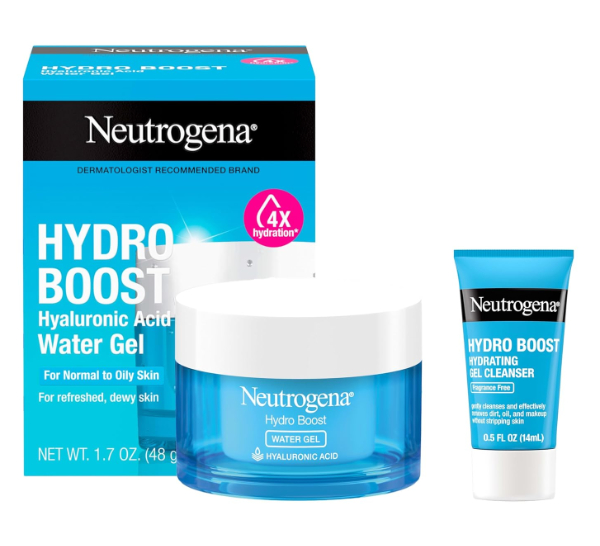
The Hydro Boost Water Gel is the industry standard for a reason: it feels like nothing on the skin. It uses a unique "gel-cream" structure that breaks into a watery consistency upon contact with the skin's warmth. This provides an immediate cooling sensation and instant absorption, which is critical for people who find the "heavy" feeling of traditional lotions sensory-overloading or gross.
The star of the show here is Hyaluronic Acid (HA). Specifically, this formula uses purified HA to act as a humectant. Why it matters: Hyaluronic acid can hold up to 1,000 times its weight in water. By delivering water directly to the skin cells without using heavy oils or waxes, it "plumps" the skin from the inside out, making it look healthy rather than greasy.
However, the trade-off for such a lightweight feel is the presence of fragrance and silicones (dimethicone) in the original version. While dimethicone helps create a smooth texture, a very small percentage of users may find it traps too much heat. If you have sensitive skin alongside your oily skin, ensure you look for the "Fragrance-Free" version of the gel-cream specifically.
Neutrogena uses a specific grade of sodium hyaluronate with a molecular size designed to sit in the upper layers of the epidermis. Why it matters: Because oily skin often has a thick "stratum corneum" (the outer layer), larger molecules struggle to penetrate. This formula is optimized to provide surface-level hydration that prevents trans-epidermal water loss (TEWL) without feeling sticky.
Best for Barrier Repair: CeraVe PM Facial Moisturizing Lotion
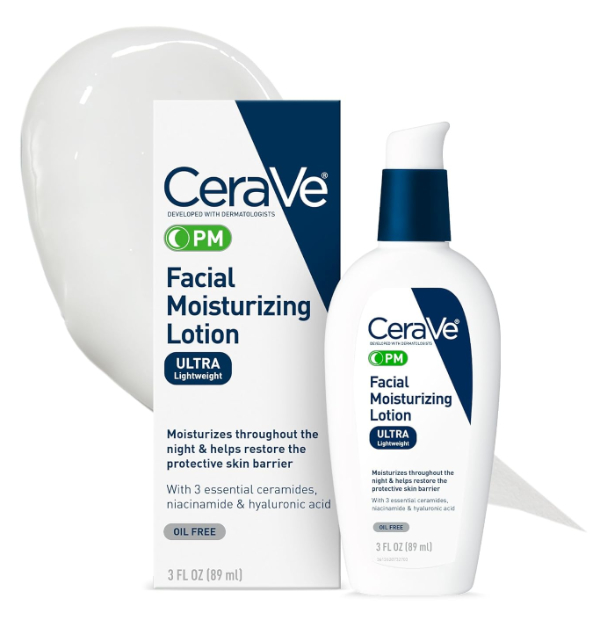
CeraVe PM is frequently recommended by dermatologists because it addresses the underlying health of the skin barrier rather than just masking surface issues. It is a "powerhouse" formula that contains three essential ceramides, hyaluronic acid, and niacinamide. Despite the "PM" branding, many with very oily skin use this as their daytime moisturizer because of its extremely thin, non-greasy texture.
The standout ingredient here is Niacinamide (Vitamin B3). Why it matters: Niacinamide is a multi-functional ingredient that has been clinically shown to reduce sebum excretion rates. It also helps with redness and the appearance of "post-inflammatory hyperpigmentation" (the red marks left behind by acne). This makes it a perfect choice for oily skin that is also acne-prone.
The only downside is that it lacks sun protection. If you use this in the morning, you must apply a separate SPF on top. Additionally, the "MVE Technology" provides a slow release of ingredients throughout the day, which is great for health, but it doesn't offer the immediate "matte" finish that a product like Effaclar Mat provides.
[Image of skin barrier with ceramides]MVE (MultiVesicular Emulsion) consists of microscopic "spheres" made of layers of ingredients. Why it matters: Instead of hitting the skin all at once, the layers slowly dissolve over 24 hours. For oily skin, this means consistent hydration that prevents the "rebound oiliness" that occurs when a moisturizer wears off mid-day.
Best Luxury Pick: Tatcha The Water Cream
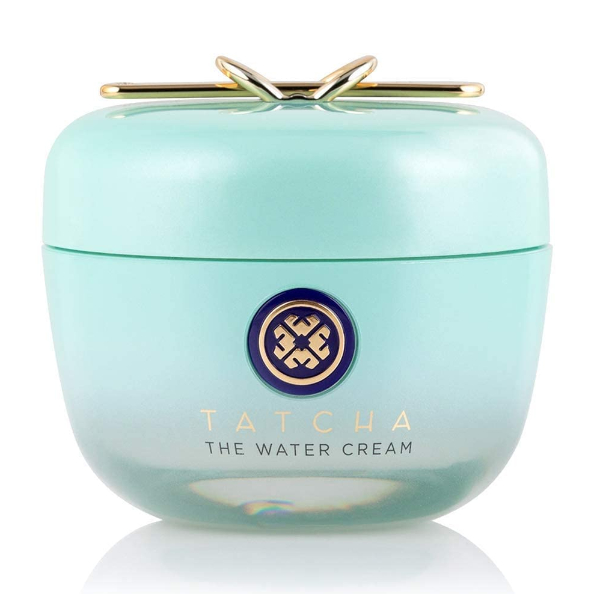
Tatcha's The Water Cream is a luxury experience that justifies its higher price point through superior "cosmetic elegance." For users who find drugstore moisturizers sticky or "tacky," this cream provides a unique sensory experience. Upon application, the cream "bursts," releasing a flood of hydration that feels like cool water before drying down to a completely weightless, invisible finish.
It uses Japanese botanicals like Wild Rose and Leopard Lily. Why it matters: While "botanicals" can sometimes be fluff, Leopard Lily is technically known to help minimize excess oil production and calm the skin. The addition of Hadasei-3 (a fermented trio of green tea, rice, and algae) provides a high concentration of amino acids that support the skin's natural moisture factor without needing heavy fats.
The primary barrier to this product is clearly the cost. While the jar is beautiful and the experience is top-tier, the functional results - hydration and oil control - can be found in cheaper alternatives. Additionally, the jar packaging, while luxurious, is less hygienic than a pump, meaning you should use the provided gold spatula to prevent introducing bacteria from your fingers.
Hadasei-3 is produced through a double-fermentation process. Why it matters: Fermentation breaks down the molecular structure of large ingredients into smaller "bioavailable" components. This allows the nutrients to bypass the oily surface layer and provide actual nourishment to the skin cells.
Best for Pore Refinement: Paula's Choice Invisible Finish Moisture Gel
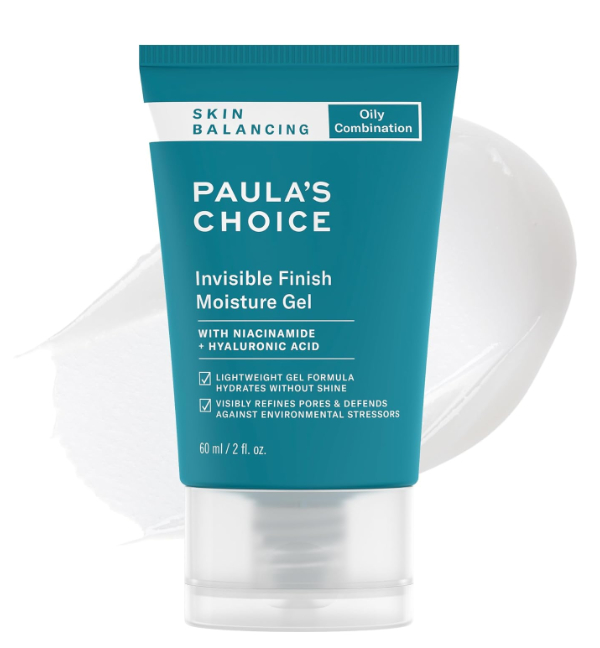
Paula's Choice is the brand of choice for "prosumers" who care about ingredient transparency. The Invisible Finish Moisture Gel is specifically formulated for oily and combination skin that is starting to show signs of aging or environmental damage. It is an antioxidant-rich gel that provides more "treatment" benefits than a standard basic moisturizer.
It contains a significant dose of Vitamin C and Vitamin E. Why it matters: Oily skin is still susceptible to sun damage and pollution. Vitamin C helps brighten the skin and refine the look of pores that have been stretched out by years of heavy oil production. The "invisible finish" refers to its ability to mattify the skin while leaving it feeling soft rather than tight.
The trade-off here is the texture. It is a true gel, which can occasionally "pill" (clump into small balls) if you apply too many heavy serums underneath it. It requires a "less is more" approach. It is best for those who want their moisturizer to do double duty as an anti-aging treatment.
The formula combines Grape Seed Extract with stabilized Vitamin C. Why it matters: Antioxidants neutralize "free radicals" (unstable molecules from pollution). For oily skin, this is vital because oxidized sebum (oil that has reacted with oxygen) is more likely to cause inflammation and blackheads.
How We Chose These Products
Our evaluation was based on four technical criteria: Non-Comedogenicity (ensuring no ingredients were likely to clog pores), Active Sebum Regulation, Humectant Ratio (prioritizing water-binders over oil-sealants), and Cosmetic Elegance (how it actually feels and looks during a standard 8-hour workday). We analyzed manufacturer whitepapers and third-party lab testing to verify that "oil-free" claims were backed by a lack of heavy esters and waxes.
Comparison Overview
| Product | Key Active | Texture | Target Concern |
|---|---|---|---|
| La Roche-Posay Effaclar Mat | Sebulyse & LHA | Light Cream | Maximum Matte Finish |
| Neutrogena Hydro Boost | Hyaluronic Acid | Water Gel | Dehydration / Sensory feel |
| CeraVe PM | Ceramides & Niacinamide | Thin Lotion | Skin Barrier / Redness |
| Tatcha Water Cream | Japanese Botanicals | Water-Burst Gel | Luxury / Purity |
| Paula's Choice Invisible | Vitamin C / Grape Seed | Silky Gel | Pore Size / Aging |
Buying Guide: What to Look For
- Humectants over Occlusives: Look for Glycerin, Hyaluronic Acid, and Urea. These pull water into the skin. Avoid high concentrations of Petrolatum or Lanolin, which create a "seal" that oily skin doesn't usually need.
- Niacinamide (Vitamin B3): This is the "holy grail" for oily skin. It strengthens the skin barrier while simultaneously signaling pores to produce less oil.
- Salicylic Acid (BHA) Derivatives: Ingredients like LHA or Betaine Salicylate provide gentle, daily exfoliation to keep pores clear of the excess oil your skin produces.
- Non-Comedogenic Testing: This is a technical standard ensuring the product was tested on human subjects to show it does not cause "comedones" (clogged pores).
General Pro / Cons
| Pro | Con |
|---|---|
| Prevents "rebound oiliness" caused by dehydration. | Matte formulas can cling to occasional dry patches. |
| Water-based gels feel weightless and cool. | Lighter formulas may need reapplication in winter. |
| Niacinamide helps reduce long-term oil production. | Some "gel" textures can pill under heavy makeup. |
| Non-comedogenic formulas reduce acne risk. | Luxury options have high markups for "feel" over function. |
| Improved skin barrier leads to less sensitivity. | Fragrances in some gels can irritate very reactive skin. |
Final Summary
Managing oily skin is about balance, not elimination. For the average user looking for a reliable, all-day matte finish, La Roche-Posay Effaclar Mat is the technical winner. If you struggle with skin that feels tight but looks oily, the Neutrogena Hydro Boost or CeraVe PM offer the best moisture-to-weight ratio. While luxury options like Tatcha provide an unparalleled application experience, the science of oil control remains consistent: keep it light, keep it water-based, and focus on ingredients that talk to your pores. Aggregate rating of the products reviewed: 4.7 out of 5.