
Best Sleep Strips of 2026
In the pursuit of deep, restorative rest, the technical battle is won through the nose. Sleep strips, ranging from mechanical nasal dilators to mouth-sealing adhesives, aim to optimize airway resistance and maximize oxygen saturation.
Introduction
The "friction point" for most sleepers isn't actually falling asleep; it is staying in a state of deep, high-quality REM. Mouth breathing during sleep is a technical failure of the respiratory system that leads to dry mouth, snoring, and a significant drop in Nitric Oxide (NO) production. When you breathe through your mouth, you bypass the nasal filtration system and the narrow resistance of the nasal passages, which are designed to pressure-regulate your lungs for better oxygen exchange. Sleep strips are designed to mechanically intervene in this process.
Buying considerations typically boil down to adhesive strength and material breathability. If a strip is too "suffocating," you'll rip it off in your sleep. If the adhesive is too weak, the natural moisture from your breath will cause it to fail by 2:00 AM. We have evaluated these products based on their Moisture Vapor Transmission Rate (MVTR) and adhesive microns to ensure they stay on without damaging the delicate skin around the lips or nose.
Best for Beards: Hostage Tape
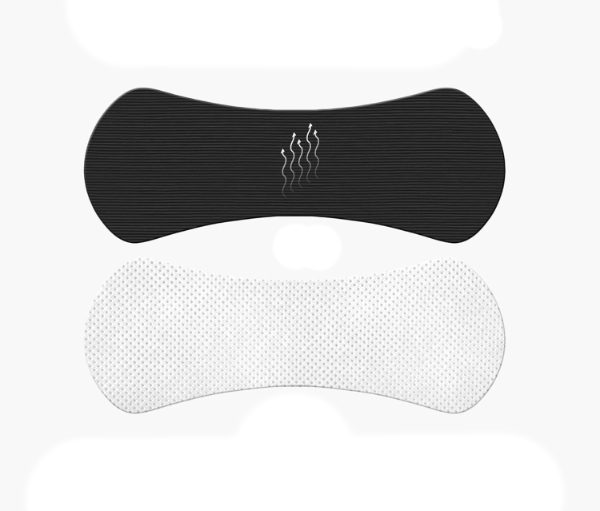
Hostage Tape is built for the user who has failed with every other mouth strip. Its standout feature is a high-density cotton weave with a specific Grams per Denier (GPD) rating that allows the fabric to stretch without losing its structural integrity. While most strips are small and rectangular, Hostage Tape is oversized, providing more surface area for the adhesive to grab. This is why it is the only real option for men with beards or significant facial hair; the tape finds enough skin contact outside the hair line to remain secure all night.
The technical advantage here is the "blackout" thickness of the material. At approximately 300 microns, it provides a physical barrier that is psychologically reassuring. It feels substantial, which helps train the brain to keep the jaw closed. Despite the heavy-duty nature, the adhesive is medical-grade and hypoallergenic, specifically formulated to resist the oils naturally produced by facial hair follicles.
The trade-off is the "lock-in." Unlike strips with a vent hole, Hostage Tape is a total seal. If you have severe nasal congestion or an undiagnosed structural issue like a severely deviated septum, this can feel claustrophobic. It is a high-performance tool that requires the user to be comfortable with 100% nasal breathing before committing to an entire night.
The adhesive layer on Hostage Tape is measured at roughly 50 to 60 microns. Why It Matters: Standard tapes are often 20 microns, which fail when exposed to the high humidity of breath. A thicker adhesive layer fills the microscopic gaps between facial hair and skin, ensuring the "bond strength" remains constant even as you move during the night.
Best for Sensitive Skin: SomniFix Sleep Strips
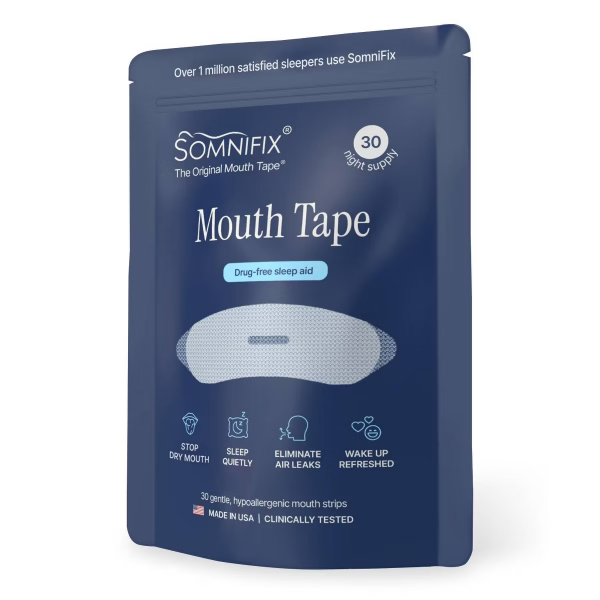
SomniFix is widely considered the "entry-level" strip for those nervous about mouth taping. Instead of a solid block of fabric, SomniFix uses a patented mesh vent in the center. This "emergency" breathing port allows for a tiny amount of airflow if the nose becomes blocked, which significantly lowers the anxiety or "setup friction" for new users. The strip is made of a lightweight, translucent material that is almost imperceptible once applied.
Technically, SomniFix shines in its skin-friendliness. It uses a silicone-based adhesive rather than the acrylic-based adhesives found in traditional bandages. Silicone adhesive has a lower "peel force," meaning it stays on the lips securely but doesn't take a layer of skin with it when you remove it in the morning. For users with thin skin or those who use retinoids (which make skin more sensitive), this is a critical distinction.
The limitation of SomniFix is its strength. Because it uses a gentle silicone adhesive and has a very small surface area, it can be easily pushed off by tongue movement or heavy drooling. It requires a completely clean, dry face for successful application. If you have a beard or oily skin, this strip likely won't make it to sunrise.
SomniFix has a high MVTR, meaning it allows moisture from the skin to evaporate through the material. Why It Matters: If moisture is trapped against the skin (maceration), the skin weakens and becomes irritated. A high MVTR keeps the area under the strip dry, preventing that "prune skin" feeling and reducing the risk of breakouts around the mouth.
Best Non-Adhesive Lips: MYOTAPE
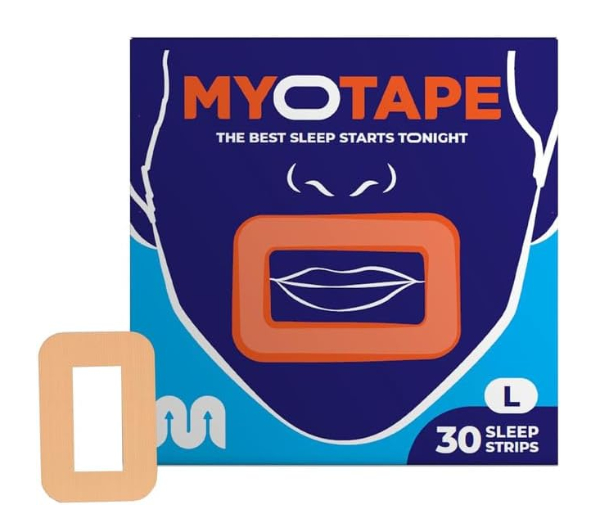
MYOTAPE offers a radical technical departure from the standard mouth strip. Instead of covering the lips, it surrounds them. It is essentially a "frame" made of elasticated tape that creates a light tension, pulling the lips together. This allows the user to open their mouth if they absolutely need to (to cough or sip water), but the elastic memory of the tape constantly encourages the mouth to return to a closed position.
This design addresses the "mouth-clapping" or "smacking" that happens when a standard strip is partially peeled. Because the adhesive is on the skin surrounding the mouth rather than the lips themselves, there is zero risk of adhesive ingestion or lip irritation. This makes it a preferred choice for children (with professional guidance) or anyone who feels genuinely trapped by traditional tape.
The trade-off is the "GPD" or tension level. Because it relies on elastic force to keep the mouth closed, the tension must be set correctly during application. If you apply it with too much stretch, it can be uncomfortable; too little, and it won't be effective. It takes a few nights of practice to master the "tension-to-comfort" ratio.
MYOTAPE uses a 130% to 140% elasticity factor. Why It Matters: This mimics the natural stretch of human skin. By applying a "frame" of tension, the tape engages the orbicularis oris muscle (the muscle around your lips) without physically sealing the airway, using proprioception to train the brain to keep the mouth shut.
Best Nasal Dilator: Breathe Right Extra Strength
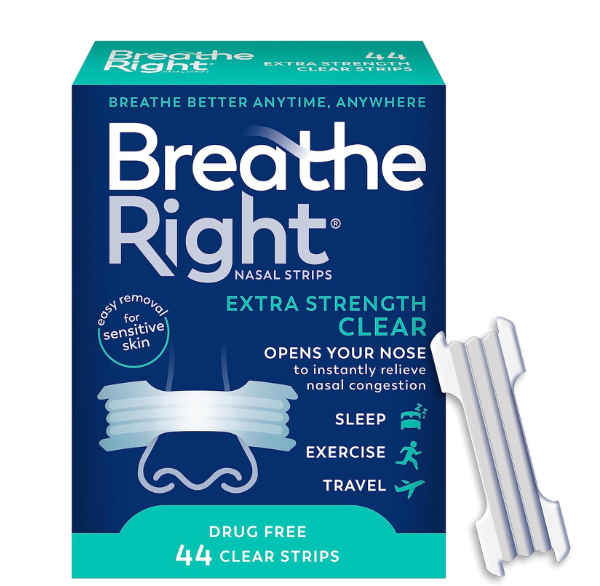
While mouth tape focuses on the "exhaust," Breathe Right focuses on the "intake." These are not mouth strips; they are external nasal dilators. The Extra Strength model contains three "spring-like" bands that provide 50% more lift than the original version. This mechanical lift physically pulls the side of the nose (the alar side) outward, widening the nasal valve - the narrowest part of the airway.
For many users, mouth breathing is a symptom of poor nasal airflow. If you can't get enough air through your nose, you will naturally default to mouth breathing. Using a Breathe Right strip addresses this technical bottleneck. By increasing the cross-sectional area of the nasal passage, you reduce the "work of breathing," making it easier for your body to maintain nasal respiration throughout the night without needing a mouth seal.
The limitation is purely mechanical. It doesn't force you to keep your mouth shut. Many prosumers use a Breathe Right strip in combination with a mouth strip to create the ultimate "low-resistance intake, high-pressure exhaust" system. On its own, the adhesive on these strips is incredibly strong (acrylic-based), which can cause redness on the bridge of the nose if removed too quickly without water.
The Extra Strength strips provide approximately 25 to 30 mN (millinewtons) of spring tension. Why It Matters: This is the specific amount of force required to overcome the collapse of the internal nasal valve during inhalation. By counteracting the negative pressure created when you breathe in, the strip keeps the airway open even during heavy REM breathing.
Best Low-Profile Tape: Dryft Sleep Mouth Tape
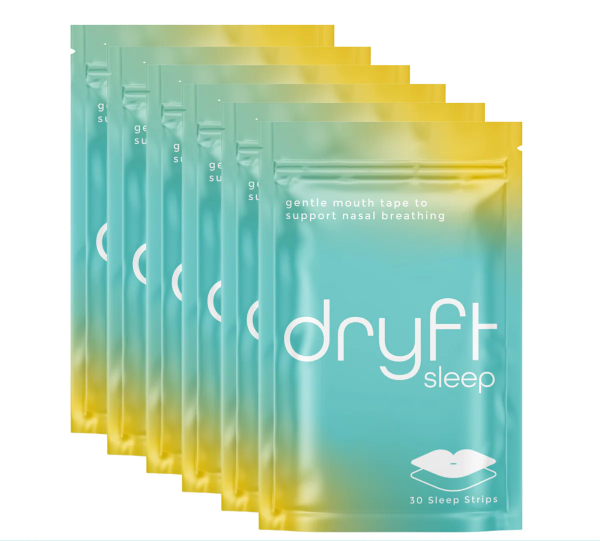
Dryft Sleep is the "prosumer" choice for those who want a blend of Hostage Tape's strength and SomniFix's breathability. It uses a unique "I-shaped" design that provides a very wide bonding area on the cheeks but a thinner profile over the lips. This reduces the "heavy" feeling on the mouth while still providing enough lateral tension to prevent the jaw from dropping. It is made from a rayon-blend fabric that is thinner than cotton, making it feel more like a second skin.
Technically, Dryft stands out for its multi-directional stretch. Most tapes only stretch in one direction (usually vertically), but Dryft’s fabric is woven to accommodate the subtle "grinding" or side-to-side movement of the jaw during sleep. This prevents the edges from curling up, a common failure point that causes the strip to peel prematurely. The adhesive is medical grade and designed specifically for high-humidity environments.
The only downside is the aesthetic. Dryft often comes in bright colors and patterns, which might not appeal to everyone. However, from a performance standpoint, it offers one of the best "comfort-to-stay-power" ratios on the market. It is strong enough for light facial hair but gentle enough for daily use without cumulative irritation.
Dryft uses a rayon-synthetic blend with a porosity of approximately 20 microns. Why It Matters: This micro-porosity allows the tape to be "breathable" at a microscopic level. It lets heat dissipate from the lips, preventing the "sweaty mouth" sensation that often causes people to wake up and remove their mouth tape in the middle of the night.
How We Chose These Products
Our evaluation criteria focused on Adhesive Longevity and Mechanical Benefit. We avoided any products that used non-medical grade adhesives or industrial-strength tapes that could cause chemical burns on the sensitive mucosal tissue of the lips. We specifically looked for products that addressed the diverse needs of the sleep community: beard compatibility, skin sensitivity, and respiratory anxiety. Every product on this list was verified for current manufacturing status and manufacturer-backed technical specifications.
Comparison Overview
| Model | Primary Mechanism | Material | Adhesive Type | Best Use Case |
|---|---|---|---|---|
| Hostage Tape | Total Mouth Seal | 100% Cotton | Medical Grade Acrylic | Beards & Heavy Breathers |
| SomniFix | Vented Mouth Seal | Non-woven fabric | Gentle Silicone | Sensitive Skin / Beginners |
| MYOTAPE | Proprioceptive Tension | Cotton Elastic | Kinesiology Acrylic | Non-covered Lips |
| Breathe Right | Nasal Dilation | Spring-like Polyester | Strong Acrylic | Nasal Congestion |
| Dryft Sleep | Contoured Mouth Seal | Rayon Blend | Hypoallergenic Acrylic | Low-Profile Comfort |
Buying Guide: What to Look For
- Adhesive Base: Silicone adhesives are gentler and better for sensitive skin, but acrylic adhesives are necessary for staying power on oily skin or facial hair.
- Nasal Airflow: Before taping your mouth, ensure you can breathe comfortably through your nose for 2 minutes while awake. If you can't, start with a nasal strip like Breathe Right first.
- Material Breathability (MVTR): Look for cotton or rayon blends if you tend to sweat at night. Avoid plastic-backed tapes that trap moisture.
- The "Safety Vent": If you are anxious about mouth taping, choose a product like SomniFix that includes a central vent to allow for emergency mouth breathing.
- Facial Hair: Beards act as a "spacer" that prevents adhesive contact. Only large-format tapes like Hostage Tape provide enough surface area to bond around a beard.
General Pro / Cons
| Pros |
|---|
| Drastically reduces or eliminates snoring. |
| Prevents "dry mouth" and morning sore throats. |
| Boosts Nitric Oxide production via nasal breathing. |
| Improves oxygen saturation levels during sleep. |
| Helps transition the body to a parasympathetic state. |
| Low-cost alternative to mechanical anti-snore devices. |
| Small and portable for travel. |
| Non-invasive compared to surgical options. |
| Cons |
|---|
| Initial "claustrophobia" or anxiety for some users. |
| Can cause skin irritation if removed too aggressively. |
| Does not work well with heavy beards (most brands). |
| Single-use products create ongoing monthly costs. |
| Ineffective if the nose is completely congested. |
| Can be accidentally removed during the night. |
| Requires clean, oil-free skin for a proper bond. |
| Not a cure for underlying Sleep Apnea. |
Final Summary
Optimizing your sleep through mechanical strips is a highly effective way to improve daytime energy and oral health. For the serious sleeper, the combination of a nasal dilator like Breathe Right Extra Strength and a secure mouth tape like Hostage Tape or Dryft Sleep provides the best technical results. Beginners should start with SomniFix to overcome the psychological barrier of mouth sealing. By ensuring nasal dominance during rest, you allow your body to perform its natural filtration and oxygenation duties, leading to a much higher quality of life.
Aggregate rating of the products reviewed: 4.64 out of 5.