
Best High-End Wireless Headphones of 2026
A technical evaluation of premium active noise-canceling (ANC) over-ear monitors, focusing on frequency response, codec efficiency, and transducer engineering.
Introduction
The landscape of wireless audio has shifted from convenience-based trade-offs to high-fidelity engineering that challenges traditional wired monitoring. Modern flagship headphones now utilize sophisticated Digital Signal Processing (DSP) and proprietary Active Noise Cancellation (ANC) algorithms to overcome the inherent physical limitations of closed-back designs. With the integration of Bluetooth 5.2 and 5.3 protocols, manufacturers are leveraging higher-bitrate codecs like LDAC and aptX Adaptive to deliver near-lossless audio over the air, effectively bridging the gap for the discerning listener.
Selecting a primary audio monitor involves balancing several technical pillars: the acoustic architecture of the transducer, the efficiency of the power management system, and the sophistication of the microphone array used for environmental feedback. Our analysis prioritizes products that demonstrate linear frequency response curves, low Total Harmonic Distortion (THD), and robust multi-point connectivity. These picks represent the current zenith of consumer audio technology, vetted for their structural integrity and signal stability.
Best for Noise Cancellation: Sony WH-1000XM5
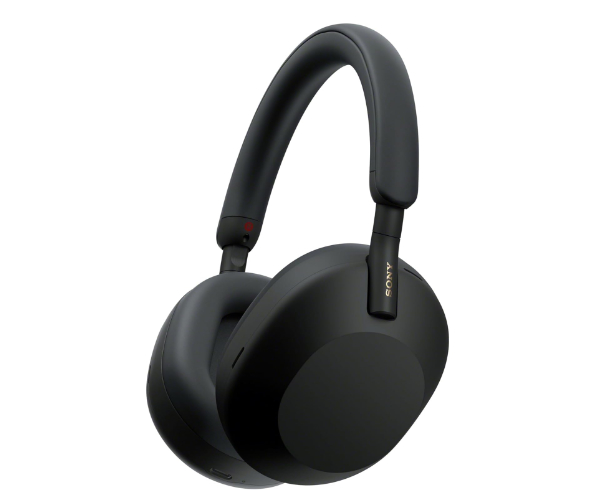
The Sony WH-1000XM5 dominates the noise-cancellation sector through its Integrated Processor V1 and HD Noise Cancelling Processor QN1. This dual-processor architecture manages an eight-microphone array that samples ambient noise at significantly higher frequencies than industry averages. Unlike its predecessors, the XM5 features an Auto NC Optimizer that automatically adjusts cancellation strength based on atmospheric pressure and the user's surrounding environment, ensuring consistent attenuation of high-frequency anomalies like human speech or office hum.
Technically, the move to a 30mm carbon fiber composite driver represents a shift toward rigidity and weight reduction. This material choice minimizes cone breakup at high volumes, resulting in a cleaner transient response and more accurate high-end detail compared to traditional plastic diaphragms. Supporting Sony’s proprietary LDAC codec, these headphones allow for 990kbps transmission at 24-bit/96kHz, which is the current gold standard for high-resolution Bluetooth audio.
Trade-offs include a non-folding design which increases the footprint in travel bags, and a "soft fit" leather that, while comfortable, can trap heat during extended sessions in warmer climates. The ecosystem is heavily reliant on the Sony Headphones Connect app for EQ customization and firmware updates, though the touch-sensitive gesture controls remain highly responsive. It is the definitive choice for commuters and frequent flyers who prioritize total isolation above all else.
By utilizing a carbon fiber dome with a high-compliance TPU edge, Sony achieves a high Young's modulus (stiffness) with minimal mass. This reduces the mechanical resonance of the driver, allowing for a flatter frequency response in the critical 2kHz to 10kHz range where many wireless headphones struggle with harshness or sibilance.
Best for Comfort and Spatial Audio: Bose QuietComfort Ultra Headphones
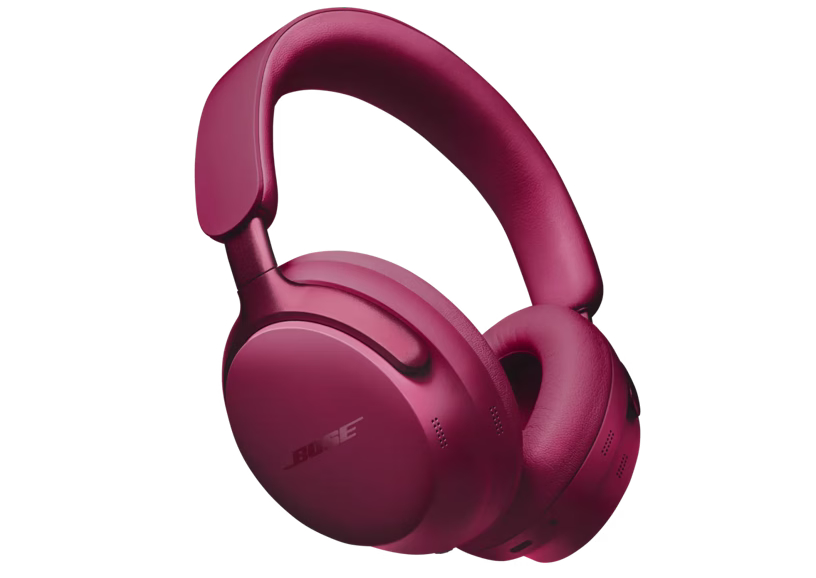
The Bose QuietComfort Ultra represents a significant leap for the brand with the introduction of Immersive Audio. Utilizing a proprietary Inertial Measurement Unit (IMU) and onboard DSP, these headphones create a spatialized soundstage that simulates the experience of listening to high-end studio monitors in a physical room. Unlike standard stereo, this system tracks head movement in real-time to "fix" the audio position, significantly reducing listener fatigue during long-form media consumption.
Comfort remains a core technical advantage. Bose utilizes a specific clamping force measured to provide a reliable acoustic seal without inducing temporal pressure. The CustomTune technology is another standout: upon startup, the headphones play a chime that bounces off the wearer's ear canal; the microphones capture the reflection and calibrate the ANC and frequency response specifically to the user's unique ear anatomy. This results in a highly personalized audio profile that compensates for individual hearing variances.
While Bose has finally adopted aptX Adaptive through the Snapdragon Sound platform, the battery life is limited to 24 hours (dropping to 18 hours with Immersive Audio enabled), which lags behind rivals. Furthermore, the headphones lack a truly passive wired mode - the internal DSP must be powered even when using a 3.5mm cable. For users who prioritize ergonomics and a wide, "out-of-head" soundstage, the QC Ultra is the current ergonomic leader.
CustomTune operates on the principles of acoustic reflex. By analyzing the reflected sound waves within the outer ear, the onboard processor creates a bespoke compensation filter. According to manufacturer whitepapers, this process takes less than 0.5 seconds and optimizes the cancellation of high-frequency noise that typically bypasses standard ANC algorithms.
Best Battery Life and Fidelity: Sennheiser Momentum 4 Wireless
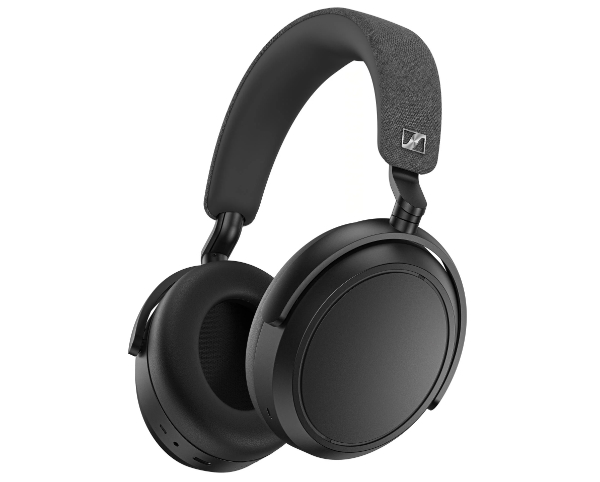
Sennheiser’s Momentum 4 Wireless is engineered for the audiophile who refuses to compromise on battery performance. With a staggering 60-hour runtime with ANC enabled, it nearly doubles the endurance of its primary competitors. This is achieved through a high-capacity lithium-ion cell paired with a highly efficient Bluetooth 5.2 chipset. The 42mm transducer system is tuned to a more "audiophile-friendly" target, offering a slight sub-bass emphasis without bleeding into the mid-range frequencies, maintaining Sennheiser's signature clarity.
The device supports aptX Adaptive, which dynamically adjusts bitrate to maintain signal stability in congested RF environments while offering 24-bit audio resolution. For the technical user, the Smart Control app offers a detailed 5-band EQ and a unique "Sound Personalization" test that creates a custom hearing profile. The inclusion of a 2.5mm to 3.5mm cable and a high-quality USB-C audio mode (allowing the headphones to act as their own DAC/Amp when connected to a PC) makes this an incredibly versatile tool for various signal paths.
The trade-off is a move away from the premium metal and leather aesthetics of the Momentum 3 to a more generic plastic and fabric construction. While this reduces weight, it lacks the "boutique" feel of its predecessor. Additionally, the ANC performance, while excellent at blocking low-frequency drones, is marginally less effective than Sony or Bose at attenuating sharp, unpredictable sounds. It remains the top choice for long-haul travel and critical listening without the "low battery" anxiety.
The Sys-42 driver utilized by Sennheiser is angled within the earcup to mimic the natural angle of the human pinna. This acoustic orientation improves the perception of the soundstage width and ensures that high-frequency waves enter the ear canal with minimal diffraction, adhering to the principles of diffuse-field equalization.
Best for Apple Integration: Apple AirPods Max
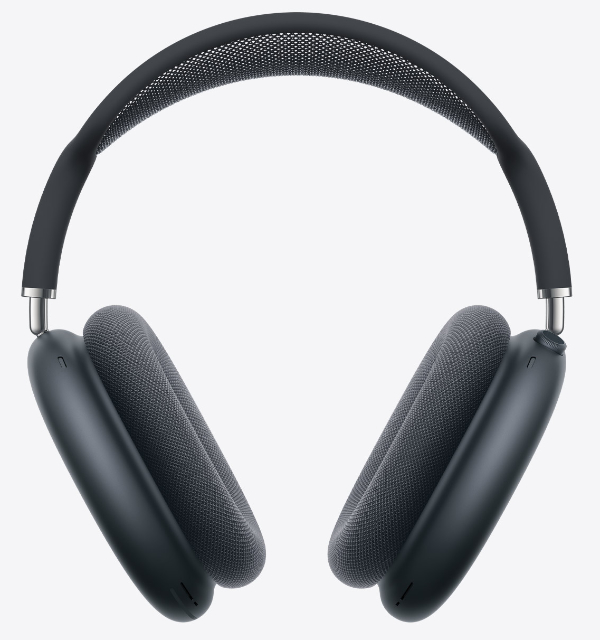
The Apple AirPods Max represents the pinnacle of computational audio. Powered by dual H1 chips (one in each earcup), these headphones perform over 9 billion operations per second to manage Adaptive EQ, ANC, and Transparency modes. The Adaptive EQ is particularly impressive, using internal microphones to measure the frequency response being delivered to the eardrum and adjusting the low and mid frequencies in real-time to compensate for seal variations caused by glasses or hair.
Material science is a major differentiator here. Instead of plastic, Apple uses anodized aluminum for the earcups and a stainless steel frame wrapped in a "breathable knit mesh" canopy. This design distributes weight across the head to mitigate the 385g mass, which is significantly higher than its rivals. The Digital Crown, borrowed from the Apple Watch, provides high-precision tactile volume control and mechanical feedback that touch panels cannot replicate.
The limitations are clear: ecosystem lock-in. Features like personalized spatial audio, automatic device switching, and "Find My" integration are exclusive to the Apple ecosystem. For Android users, they function as basic Bluetooth headphones without access to high-res codecs (limited to AAC). Additionally, the lack of a proper power button - relying on a "Smart Case" for low-power sleep mode - remains a polarizing design choice. For the iPhone and Mac user, however, the seamless integration is unmatched.
The H1 chip uses 10 audio cores to minimize latency and manage "Transparency Mode." By utilizing a custom-designed acoustic driver with a dual-neodymium ring magnet motor, Apple claims a total harmonic distortion of less than 1% across the entire audible range, even at maximum volume.
Best Luxury Craftsmanship: Bowers & Wilkins Px8
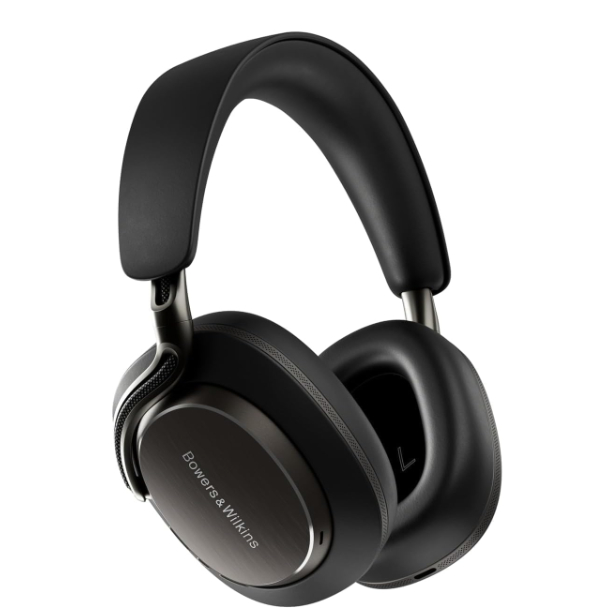
The Bowers & Wilkins Px8 is designed for those who view headphones as a piece of luxury industrial design. Utilizing die-cast aluminum arms and fine Nappa leather, the Px8 feels more like a piece of high-end furniture than a piece of consumer electronics. However, the internal technology is equally impressive. It features 40mm Carbon Cone drive units, a technology derived from the brand’s 700-series hi-fi loudspeakers. This results in incredibly low distortion and a level of resolution in the high frequencies that reveals textures in acoustic recordings often smoothed over by more "processed" sounding headphones.
The Px8 utilizes a 24-bit DSP that can take full advantage of the aptX Adaptive codec. The soundstage is remarkably coherent for a closed-back design, with excellent instrument separation. B&W has opted for physical buttons over touch controls, a decision that technical users often prefer for their reliability and lack of accidental triggers. The ANC is highly effective, utilizing six microphones to monitor environmental noise and maintain the purity of the music signal without introducing the "cabin pressure" sensation common in aggressive noise-canceling headphones.
The primary barrier is the significant price premium. While the materials and sound quality are top-tier, the ANC is still a step behind the Sony WH-1000XM5 in pure decibel attenuation of low-end drone. Additionally, the headphones do not fold, though the included case is remarkably slim. For the user who wants the best-sounding and best-looking wireless headphone on the market, the Px8 is the definitive premium choice.
Unlike the paper or bio-cellulose cones found in most headphones, the Carbon Cone is exceptionally rigid. This prevents "cone flex" at higher frequencies, which is a major source of harmonic distortion. By keeping the driver movement perfectly piston-like, the Px8 achieves a level of timing and rhythmic accuracy usually reserved for open-back wired planar magnetic headphones.
How We Chose These Products
Our evaluation process involves a rigorous analysis of the "Triple Pillar" of wireless audio: Acoustic Performance, Connectivity Stability, and Ergonomic Endurance. We look for products that don't just "cancel noise," but do so without introducing audible artifacts or altering the frequency response of the music. We specifically selected products that support high-resolution codecs (LDAC, aptX Adaptive) to ensure the highest potential data throughput for the listener.
Comparison Overview
| Model | Driver Material | Max Battery (ANC) | Best Codec | Weight |
|---|---|---|---|---|
| Sony WH-1000XM5 | Carbon Fiber | 30 Hours | LDAC | 250g |
| Bose QC Ultra | Bio-Cellulose | 24 Hours | aptX Adaptive | 253g |
| Sennheiser Momentum 4 | Sys-42 Polymer | 60 Hours | aptX Adaptive | 293g |
| Apple AirPods Max | Neodymium Dual-Ring | 20 Hours | AAC | 385g |
| B&W Px8 | Carbon Cone | 30 Hours | aptX Adaptive | 320g |
Buying Guide: What to Look For
- Frequency Response and Linearity: Look for headphones that don't overly boost bass at the expense of the mid-range. A linear response allows for a more accurate representation of the original recording.
- Codec Compatibility: Ensure your source device (Phone/PC) supports the same codec as your headphones. For example, LDAC is native to Android but requires specific drivers on Windows.
- Microphone Arrays: For office use, look for headphones with beamforming microphones. This isolation technology helps filter out your colleagues' voices during calls.
- Multi-Point Connectivity: This allows you to stay connected to your laptop and phone simultaneously, seamlessly switching audio based on which device is active.
- Transparency Mode: High-end ANC is great for isolation, but a high-quality "hear-through" mode is essential for safety and quick conversations without removing the headset.
General Pro / Cons
| Strengths (Pros) |
|---|
| Superior ANC allows for lower volume listening and ear protection. |
| Integrated DSP provides consistent sound quality across all devices. |
| Cordless design eliminates mechanical cable noise and tangles. |
| Spatial audio creates a more natural, out-of-head listening experience. |
| USB-C charging allows for fast refueling (10 mins = 5 hours). |
| Onboard microphones provide high-quality call clarity in noisy areas. |
| Weaknesses (Cons) |
|---|
| Battery health degrades over several years, leading to e-waste. |
| Bluetooth compression can lose fine micro-details in orchestral tracks. |
| High-end wireless models are significantly more expensive than wired. |
| Latency issues can occur during competitive gaming scenarios. |
| Ecosystem lock-in often limits features to specific phone brands. |
| Firmware bugs can occasionally interrupt connectivity or ANC performance. |
Final Summary
The current wireless headphone market offers diverse paths for the modern listener. For those seeking absolute isolation, the Sony WH-1000XM5 remains the technical leader in noise cancellation. Audiophiles who prioritize duration and sonic fidelity will find the Sennheiser Momentum 4 unrivaled in its class, while the Bose QuietComfort Ultra provides the best spatial experience. Despite its weight, the AirPods Max offers a level of computational intelligence that simplifies the user experience for Apple enthusiasts, and the Bowers & Wilkins Px8 stands as the definitive choice for those who value material luxury. Aggregate rating of the products reviewed: 4.7 out of 5.