
Stop Guessing, Start Choosing!
Honest, in-depth product reviews to help you buy the best products with confidence.
Our Latest Top Rated Picks For Wellness
Best Adjustable Weight Sets
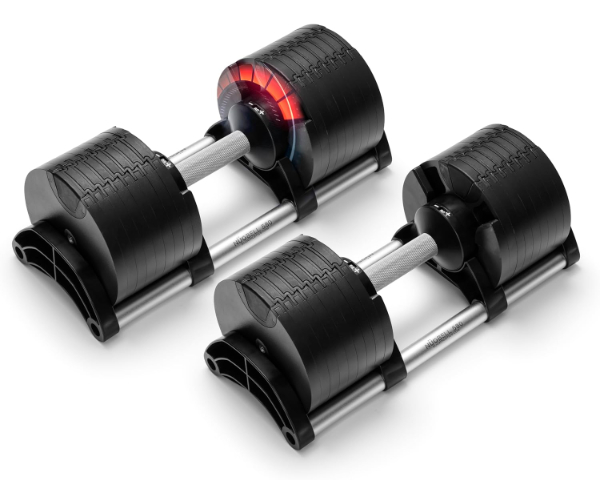 The evolution of home strength equipment has transitioned from cumbersome plate-loaded bars to sophisticated, rapid-selection adjustable systems. For the modern athlete, the primary challenge is no longer finding weight, but finding a system that balances mechanical reliability with the ergonomics of a traditional fixed dumbbell. A high-quality adjustable weight set is defined by its "rattle-free" stability, the speed of its adjustment mechanism, and the integrity of its locking components during explosive movements.
Best Bathroom Scales
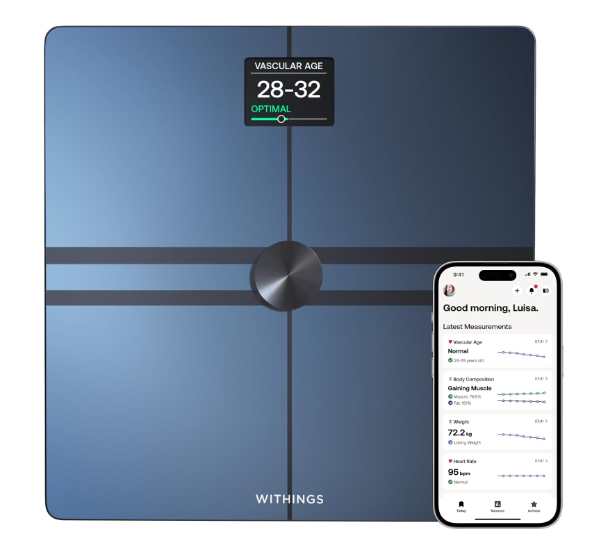 The evolution of bathroom scales has transitioned from primitive mechanical springs to sophisticated bioelectrical impedance analysis (BIA) systems. Modern weighing instruments are no longer solitary hardware units; they are data-driven nodes within a broader health ecosystem. For technical users, the focus has shifted from simple mass measurement to the precision of multi-frequency sensors and the reproducibility of body composition metrics like visceral fat, skeletal muscle mass, and extracellular water levels.
Best Fitness Trackers
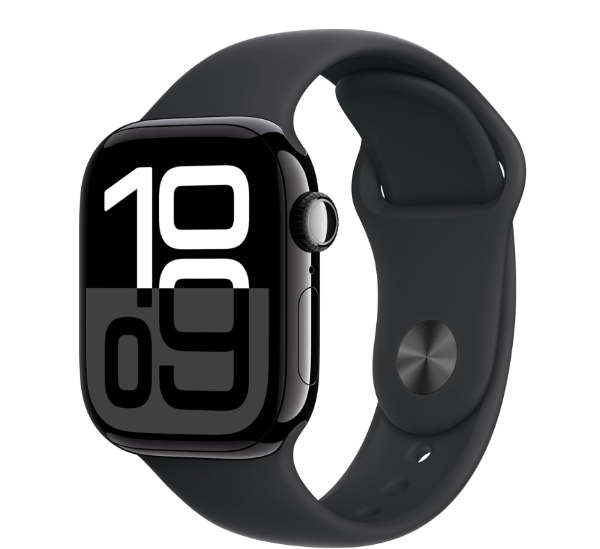 The modern fitness tracker has evolved far beyond the rudimentary accelerometers of the past decade. Today, these devices serve as sophisticated biometric laboratories, utilizing multi-wavelength photoplethysmography (PPG), electrical heart sensors, and advanced algorithmic modeling to provide a window into the autonomic nervous system. Choosing a tracker now requires an understanding of how raw data is translated into actionable metrics like Heart Rate Variability (HRV), VO2 Max, and sleep architecture.