
Stop Guessing, Start Choosing!
Honest, in-depth product reviews to help you buy the best products with confidence.
Our Latest Top Rated Picks For Travel
Best Enhancements For Your Car Interior
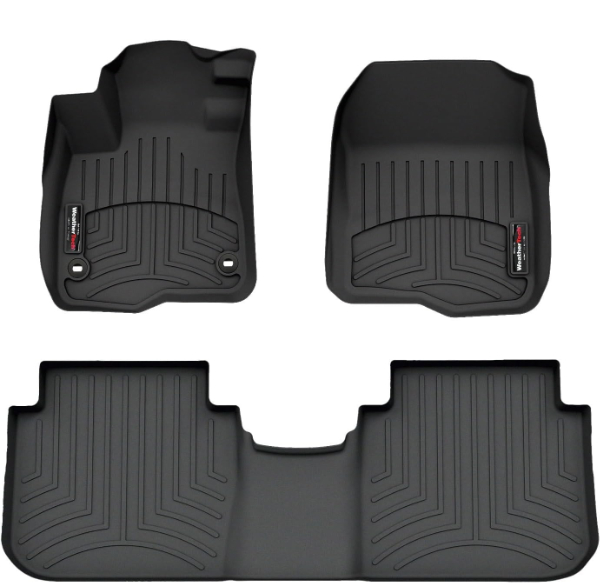 The modern car interior has become a secondary living space, yet many factory interiors are designed with a "one-size-fits-all" approach that fails to address individual needs for cleanliness and comfort. When we look at enhancing this space, we move beyond cheap plastic trinkets and toward components that solve real-world barriers like seat fatigue, cable clutter, and the constant battle against mud and spills. The goal is to create a refined ecosystem where the driver can focus on the road rather than the mess in the footwell.
Best Kick Scooters
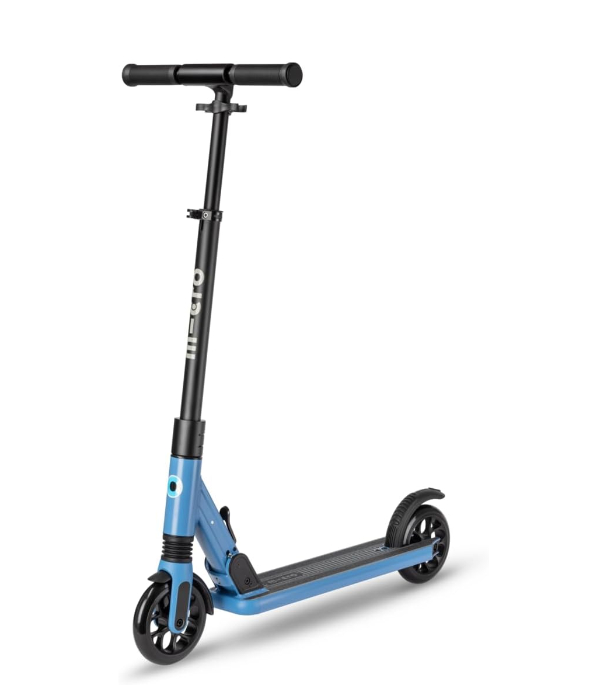 Choosing a kick scooter used to be a simple matter of grabbing whatever was on the shelf at the local toy store. However, as scooting has evolved from a backyard hobby into a legitimate form of "last-mile" urban transportation and a technical sport, the hardware has become significantly more complex. The "friction points" for most buyers are usually durability and ride quality; nobody wants a scooter that rattles like a bag of bolts or catches every minor sidewalk crack, sending the rider flying.
Best Electric Scooters
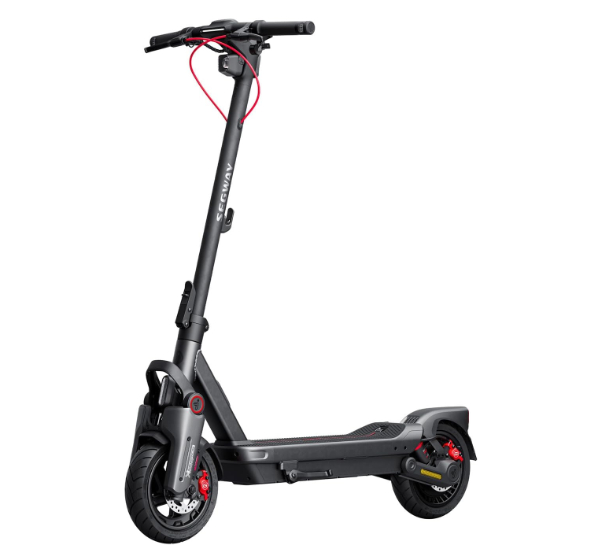 The landscape of urban micro-mobility has shifted from recreational novelty to serious transportation infrastructure. Modern electric scooters are no longer simple toys; they are sophisticated vehicular platforms integrating high-density Lithium-ion battery packs, brushless DC (BLDC) motors, and advanced kinetic energy recovery systems (KERS). As cities become denser, the technical requirements for these devices - ranging from IP-rated water resistance to automotive-grade suspension - have become the primary benchmarks for consumer selection.
Best Car Organization Products
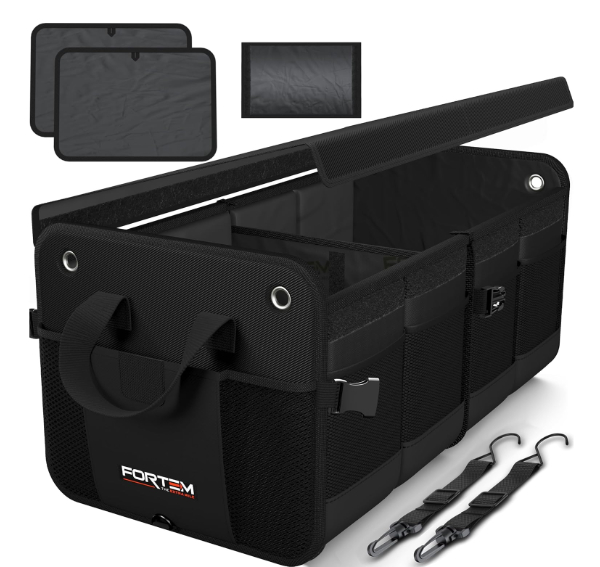 Automotive interior organization has evolved from simple glovebox dividers into a sophisticated field of cabin ergonomics. The modern driver navigates an environment cluttered by mobile technology, hydration containers, and emergency equipment, all of which pose significant risks if not properly secured. Kinetic energy during a sudden braking event can transform unsecured items into dangerous projectiles. Consequently, selecting organizational tools is not merely an aesthetic choice but a critical safety consideration. High-quality products utilize material science—such as high-denier polyester, reinforced base plates, and non-slip backing—to ensure that storage remains stable under high G-force maneuvers.
Best Travel Adaptors
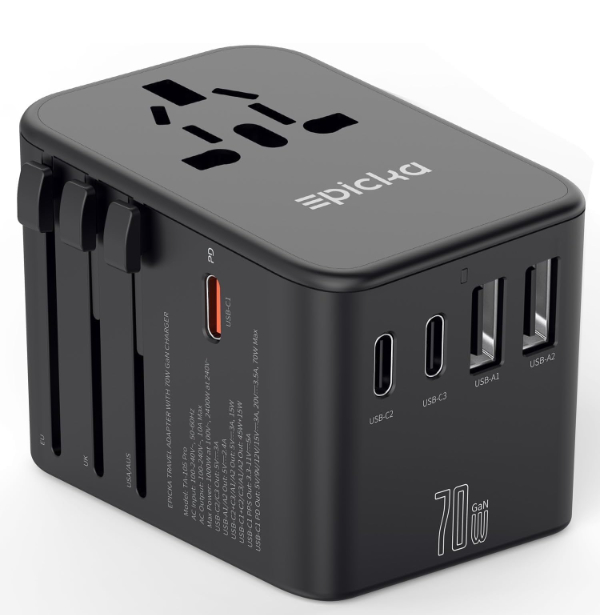 Navigating the electrical landscape of a foreign country requires more than just a simple plug shape change. Modern travelers carry a sophisticated array of electronics—from high-drain laptops to sensitive smartphones—each with varying power requirements. Choosing the right adaptor involves balancing portability with the technical capacity to deliver sufficient wattage without compromising safety. As noted by industry experts at T3 and Wirecutter, the shift toward Gallium Nitride (GaN) technology has revolutionized this category, allowing for smaller devices that generate less heat while providing significantly faster charging speeds via USB-C Power Delivery.
Best Roll-aboard Suitcases
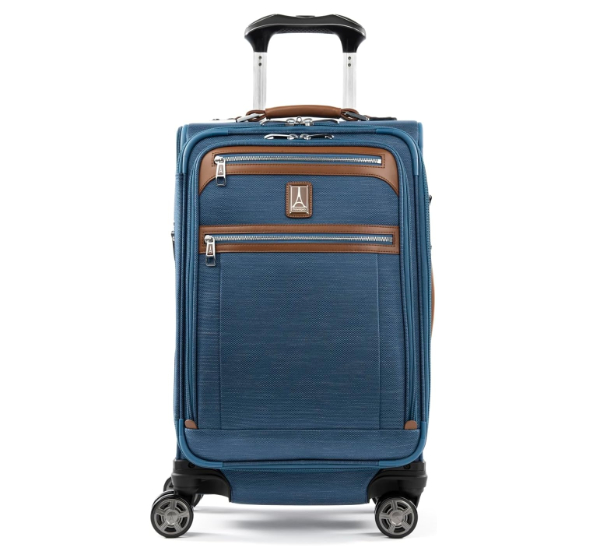 The roll-aboard suitcase has transitioned from a simple utility item into a sophisticated piece of travel engineering. Modern carry-on luggage must navigate a gauntlet of challenges: shrinking overhead bin dimensions, rigorous weight restrictions, and the abrasive reality of airport infrastructure. As noted by technical reviewers at Outdoor Gear Lab, the distinction between a budget suitcase and a premium roll-aboard often lies in the quality of the wheel bearings and the structural integrity of the telescoping handle, which are the primary failure points in high-frequency travel.
Best Beach Accessories
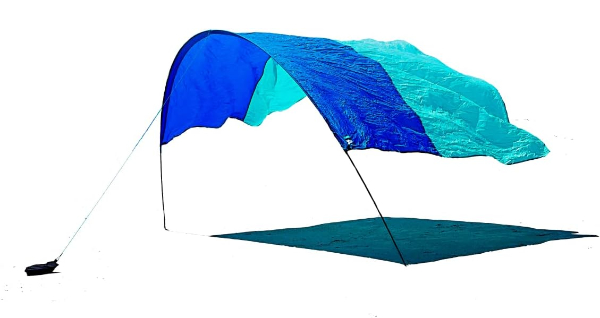 Modern beach recreation has evolved from simple towels and disposable coolers into a category defined by technical textiles and structural engineering. In coastal environments, accessories are subjected to high UV indices, corrosive salt spray, and unpredictable wind gusts. As noted by safety researchers at Security.org, the most significant risk to beachgoers often comes from poorly anchored umbrellas that can become hazardous projectiles in moderate winds. Selecting gear that utilizes wind-assist technology or high-performance anchoring systems is no longer a luxury but a safety standard.
Best Car Cleaning Products
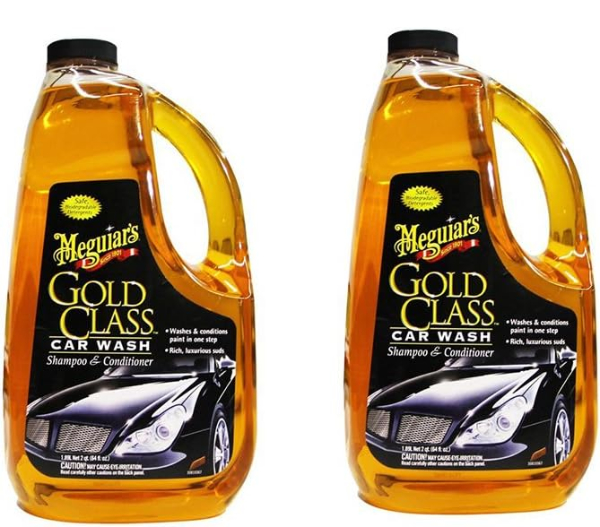 Maintaining a vehicle's aesthetic and structural integrity requires more than a simple bucket of soapy water. Modern automotive finishes, including complex tri-coat paints and sensitive interior touchscreens, demand chemical formulations that balance aggressive cleaning power with surface safety. As noted by experts at Car and Driver, the shift toward ceramic-infused (SiO2) chemistry has revolutionized how consumers protect their investments, moving away from short-lived carnauba waxes toward long-lasting, hydrophobic polymers.
Best Car First Aid Kits
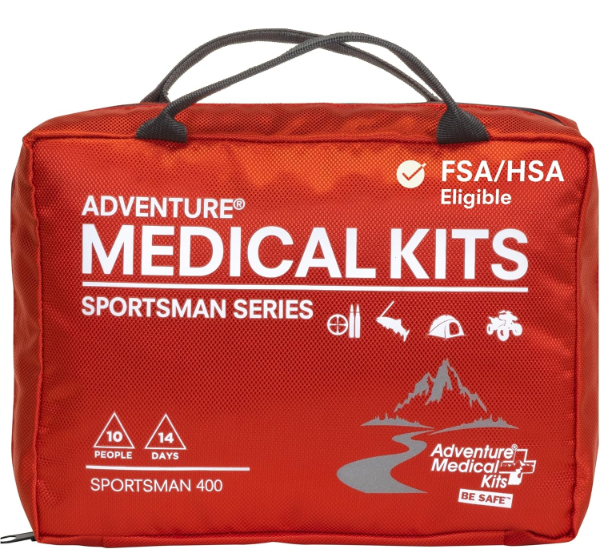 A car first aid kit is more than just a box of adhesive bandages; it is a critical component of automotive safety designed to address the specific injuries associated with road travel, from minor scrapes to significant trauma. Unlike standard home kits, automotive versions must be robust enough to withstand extreme temperature fluctuations inside a trunk or glovebox and remain organized during high-vibration travel. As noted by safety experts at SafeWise, the transition from a "standard" kit to an "automotive-grade" kit often involves the inclusion of high-visibility materials and trauma-specific tools like EMT shears or tourniquets.
Best Car Phone Mounts
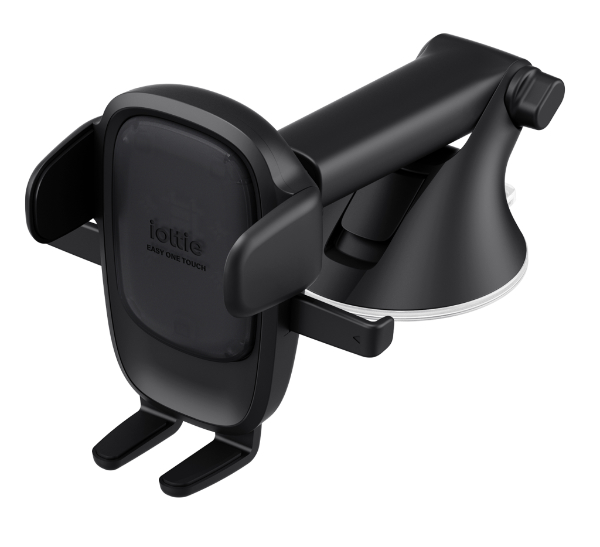 The car phone mount has transitioned from a simple plastic bracket into a precision-engineered interface. With the standardization of MagSafe and Qi2 wireless charging, drivers now demand mounts that offer not just security, but instantaneous docking and high-speed power delivery. According to technical testing by Car and Driver, the primary failure points for modern mounts remain thermal management during wireless charging and suction degradation under extreme UV exposure.
 Best Checked Luggage
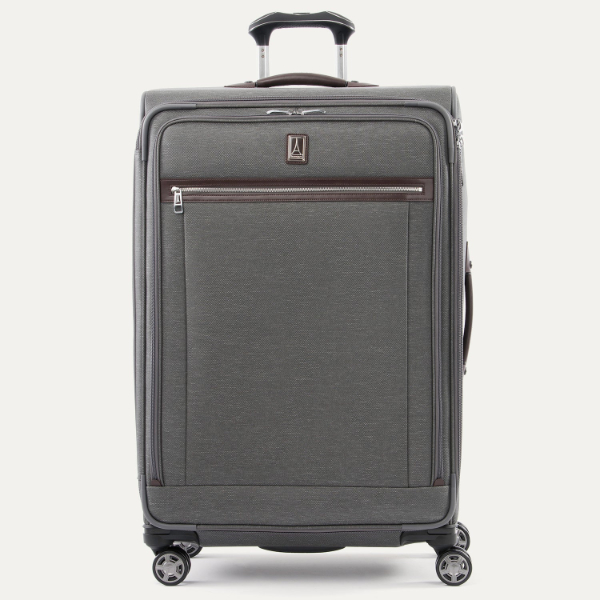 Selecting the ideal checked luggage requires balancing internal volume against the structural integrity needed to survive the rigorous environment of airport conveyor systems and ground crew handling. Unlike carry-ons, which remain under the passenger's control, checked bags must withstand high-impact drops, extreme pressure in the cargo hold, and diverse weather conditions. Modern engineering has introduced specialized materials like aerospace-grade polycarbonate and high-density ballistic nylon, which provide significant weight savings without compromising the safety of your belongings.
Best Dash Cameras
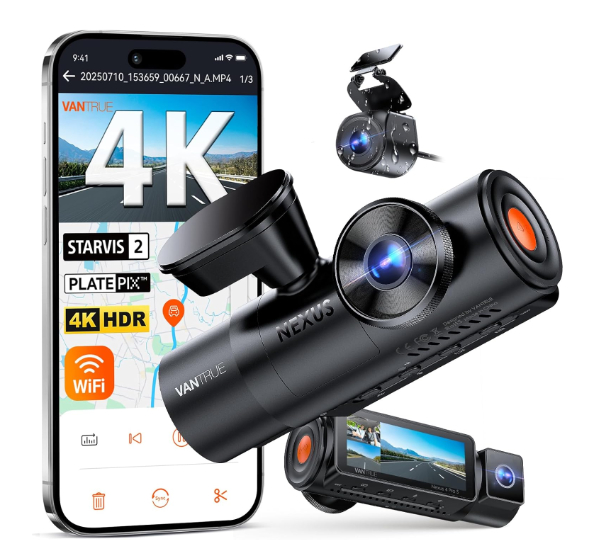 The transition of dash camera technology from simple VGA recording to 4K Ultra-High Definition (UHD) has been driven by advancements in CMOS sensor sensitivity and H.265 (HEVC) compression efficiency. Modern vehicular recording systems are no longer merely passive witnesses; they are sophisticated imaging platforms capable of resolving license plate alphanumeric characters at high relative velocities and in low-light environments. The primary differentiator in current flagship models is the integration of back-illuminated pixel technology, specifically the Sony STARVIS 2 series, which offers a significantly expanded dynamic range and improved signal-to-noise ratio over previous generations.