
Stop Guessing, Start Choosing!
Honest, in-depth product reviews to help you buy the best products with confidence.
Our Latest Top Rated Picks For Wellness
Best Multivitamins
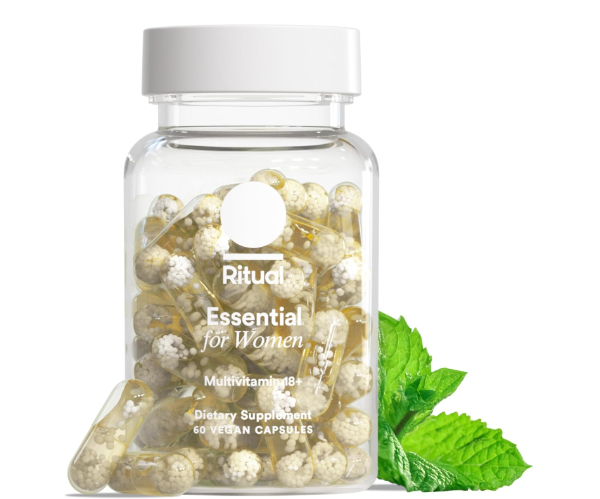 The multivitamin landscape has shifted from generic "one-size-fits-all" tablets to highly specialized, bioavailable formulations designed to bridge specific nutritional gaps. In an era where soil depletion and highly processed diets are prevalent, a multivitamin acts as a metabolic insurance policy. However, not all supplements are created equal. The efficacy of a multivitamin depends heavily on its bioavailability—the ease with which the body absorbs and utilizes the nutrients—and the presence of third-party certifications that verify the label's accuracy and the product's purity.
Best Relaxation Aids
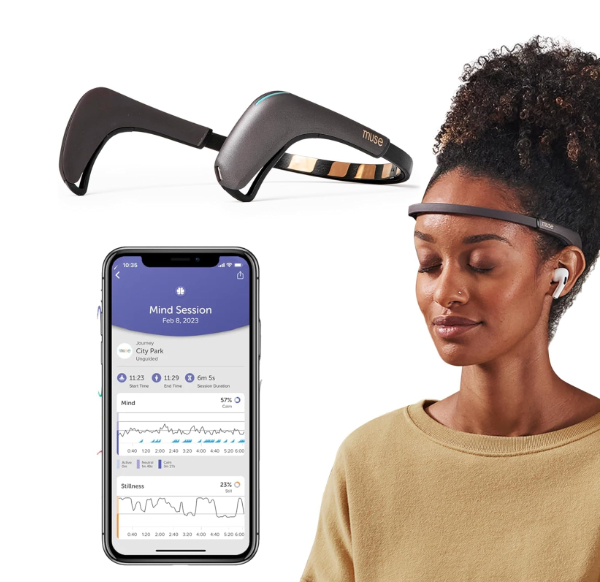 Relaxation is no longer a passive state; it is a physiological process that can be optimized through targeted intervention. As noted by Sleep Foundation, the current market for relaxation aids has shifted toward "active recovery" tools that help regulate the nervous system, moving beyond simple comfort to include biometric feedback and clinically-standardized light therapy. Whether you are battling environmental noise, seasonal mood shifts, or the difficulty of quietening a busy mind, there is a technical solution designed to bridge the gap between stress and serenity.
Best Retinol Face Creams
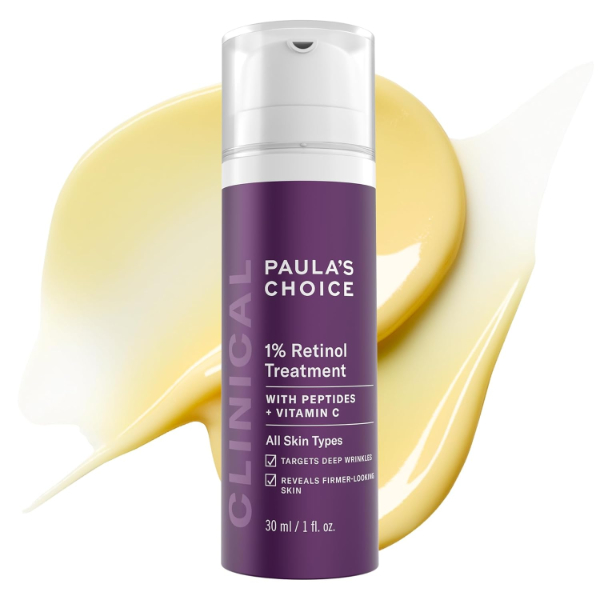 Retinol remains the gold standard in non-prescription dermatology for addressing the visible signs of photoaging and cellular decline. As a derivative of Vitamin A, retinol works at a molecular level to accelerate keratinocyte differentiation and stimulate the production of collagen and elastin. However, the efficacy of a retinol cream is not solely dependent on its concentration; the stabilization of the molecule and the delivery system used to transport it through the stratum corneum are equally critical to achieving results without inducing significant "retinization" (the period of irritation and peeling often associated with Vitamin A).
Best Moisturizers for Dry Skin
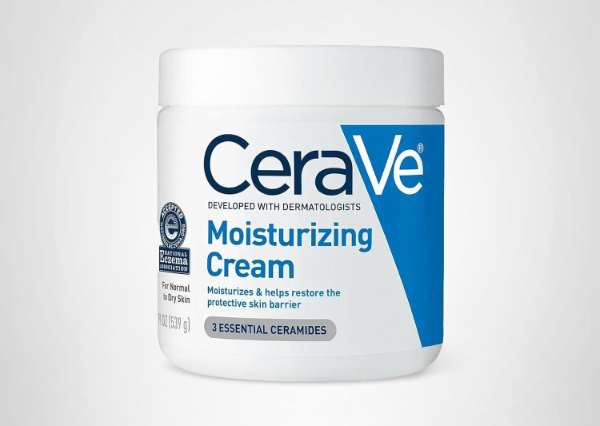 Dry skin, scientifically known as xerosis, is characterized by a compromised skin barrier function, leading to increased transepidermal water loss (TEWL), flakiness, and sensitivity. Effective moisturizers for dry skin are not merely hydrating; they are formulated to replenish lipids, repair the stratum corneum, and attract moisture from the environment. According to the American Academy of Dermatology, ingredients like ceramides, hyaluronic acid, and petrolatum are crucial for restoring the skin's natural protective layer.
Best Mattresses for Back Pain
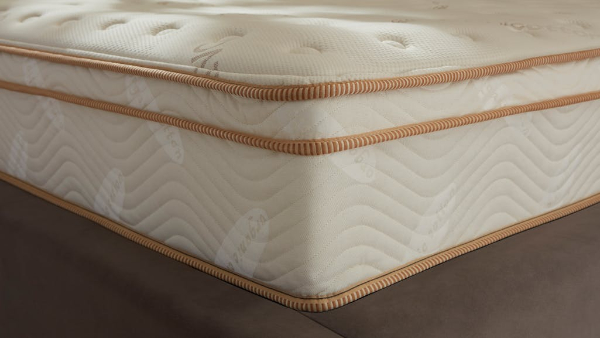 Finding a mattress for back pain is less about finding the "softest" bed and more about securing a surface that maintains proper spinal alignment. According to physical therapy standards and sleep health research, a mattress must be firm enough to support the lumbar region while remaining flexible enough to cradle the shoulders and hips. If a mattress is too soft, the hips sink, creating a "hammock" effect that strains the lower back; if it is too hard, it creates pressure points that can lead to morning stiffness.
Best Sunscreens
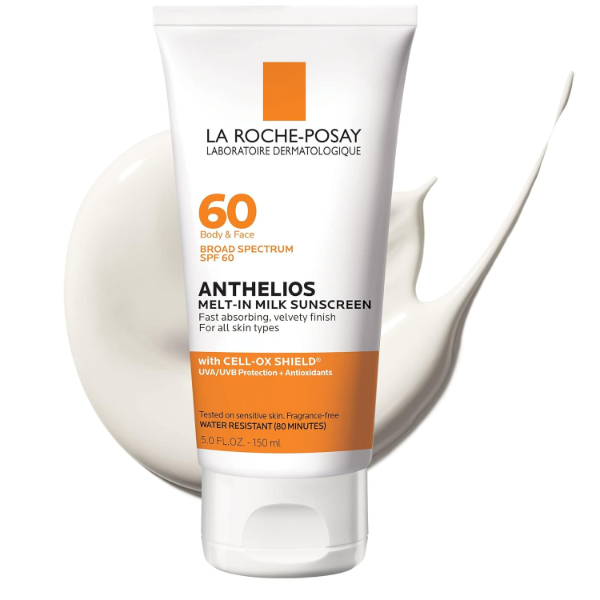 Modern sun protection has transcended basic burn prevention to become a sophisticated branch of preventative dermatology. The efficacy of a sunscreen is no longer measured solely by its Sun Protection Factor (SPF) but by its photo-stability, broad-spectrum breadth against UVA rays, and its delivery mechanism. As noted by Consumer Reports, consistent application remains the primary failure point for most users, which has led manufacturers to prioritize "cosmetic elegance"—the tactile feel and invisibility of a product—to encourage daily compliance.
Best Bed Pillows
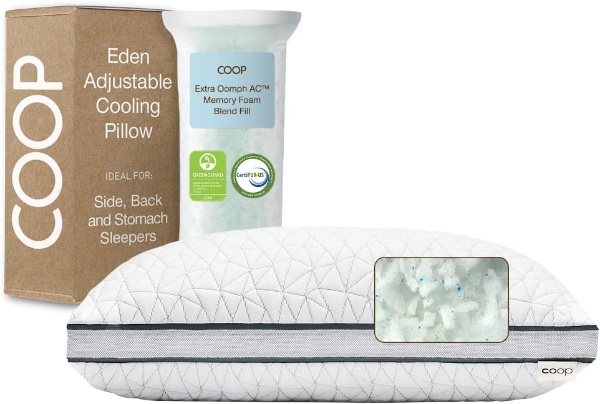 Selecting a bed pillow has evolved beyond choosing between "soft" or "firm." Modern sleep science emphasizes the importance of cervical neutral alignment—the position where your head, neck, and spine form a straight line. Achieving this requires a pillow that matches your specific loft requirements (height) and compression modulus (how much it sinks). According to industry standards cited by Sleep Advisor, the wrong pillow can exacerbate chronic neck pain and reduce REM cycle efficiency by causing micro-awakenings throughout the night.
 Best Electric Toothbrushes
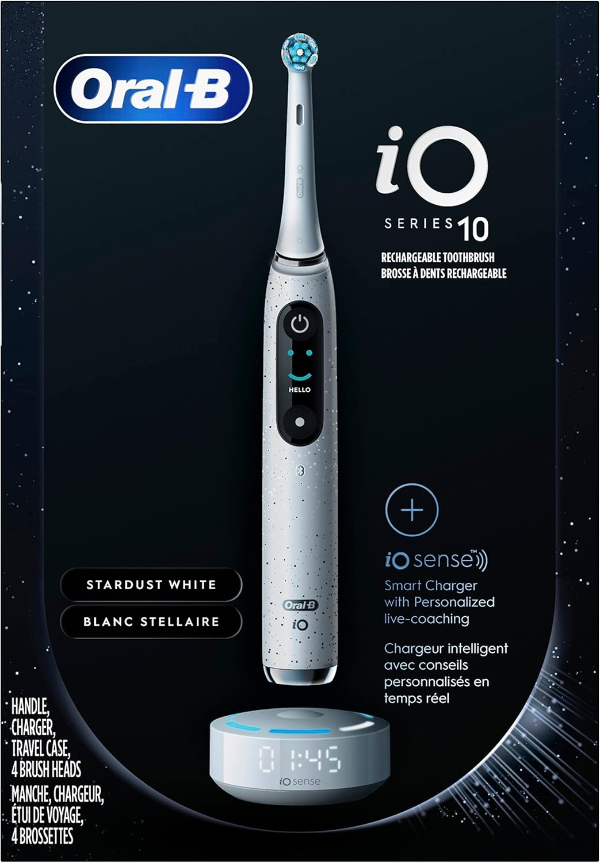 Modern oral hygiene has evolved from simple mechanical abrasion to sophisticated fluid dynamics and targeted biofilm disruption. The electric toothbrush market is currently dominated by two primary mechanical philosophies: the oscillating-rotating-pulsating movement championed by the Braun/Oral-B ecosystem and the high-frequency sonic vibrations pioneered by Philips Sonicare. Selecting the optimal device requires an understanding of how these mechanical forces interact with gingival tissue and dental enamel.
Best Yoga and Pilates Gear
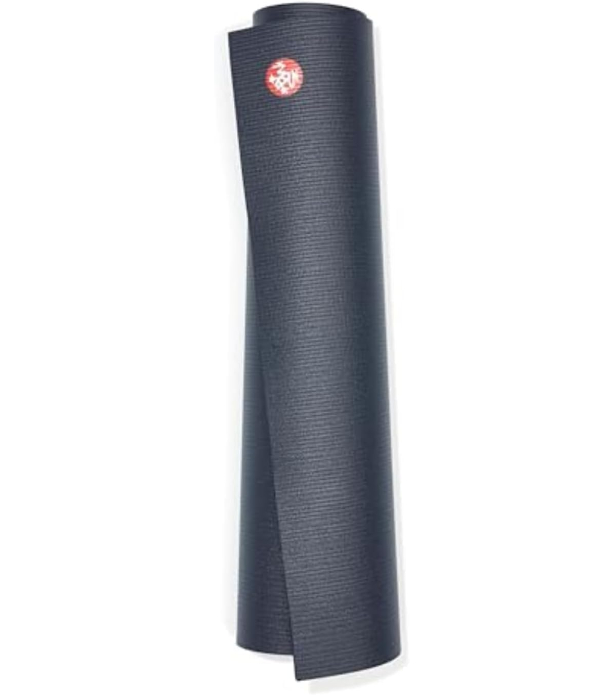 The landscape of yoga and pilates equipment has evolved from simple accessories into highly engineered tools designed to optimize biomechanical alignment and resistance loading. Unlike standard fitness equipment, yoga and pilates gear requires a unique balance of high-friction surfaces, structural rigidity, and material safety. Professionals must consider variables such as the coefficient of friction (grip), Shore durometer ratings (cushioning), and the tensile strength of webbing and springs to ensure both safety and performance longevity.
Best Smart Rings
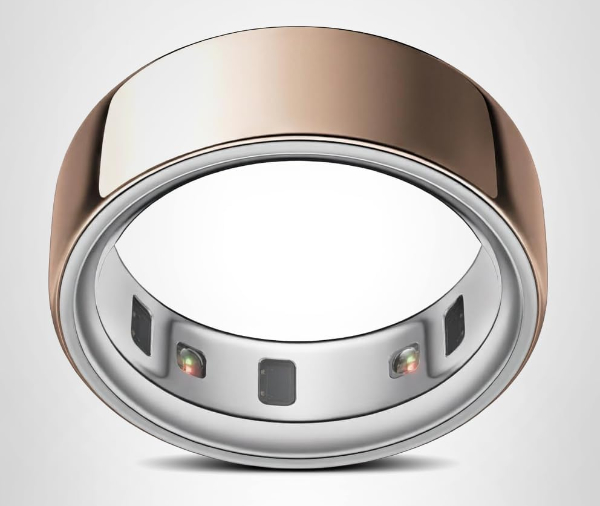 The smart ring category has transitioned from a niche hardware experiment into a mature technological segment. Unlike wrist-based wearables, smart rings utilize the arterial blood flow in the fingers, which offers a significantly higher signal-to-noise ratio for photoplethysmography (PPG) sensors. This anatomical advantage allows for more precise Heart Rate Variability (HRV) and SpO2 readings, especially during sleep. As the demand for screen-free, passive health monitoring grows, these devices have become the primary choice for users seeking deep metabolic and recovery insights without the bulk of a traditional smartwatch.
Best Men's Electric Shavers
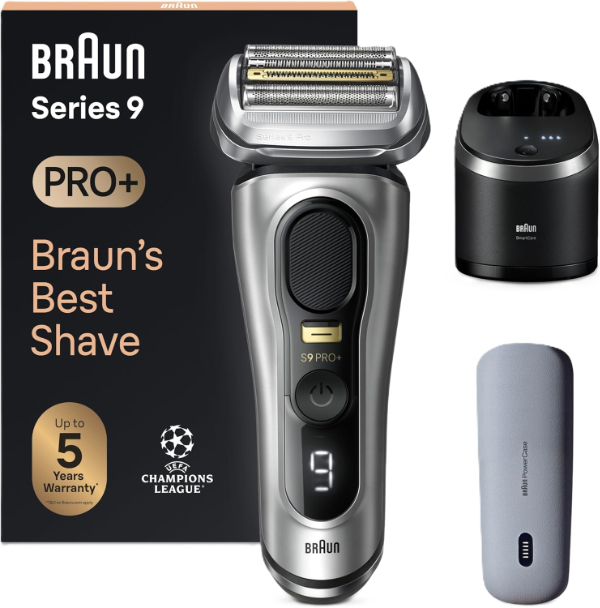 The landscape of male grooming has shifted from simple mechanical cutting to sophisticated dermatological care powered by high-frequency linear motors and AI-driven pressure sensors. Modern electric shavers are no longer mere alternatives to manual razors; they are precision instruments designed to mitigate skin trauma while maximizing follicular clearance. Understanding the technical bifurcation between foil and rotary systems is essential for selecting a device that aligns with specific hair density and skin sensitivity profiles.
Best Hair Dryers
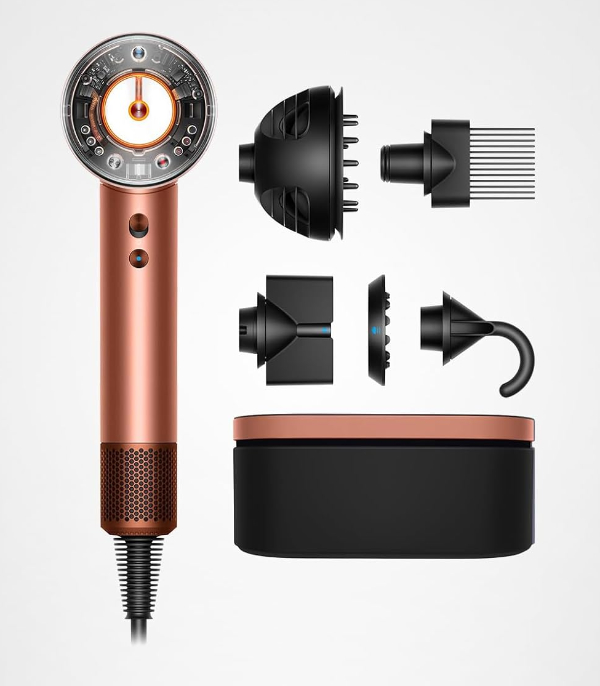 The evolution of the hand-held hair dryer has shifted from simple high-wattage nichrome heating elements to sophisticated systems integrating brushless DC (BLDC) motors and closed-loop thermal sensors. Modern hair drying technology focuses on the "velocity vs. heat" paradigm - increasing airflow speed to reduce the total thermal exposure required to break hydrogen bonds in the hair shaft. This transition is critical for maintaining the structural integrity of the keratin cortex and preventing the "bubble hair" phenomenon caused by localized overheating.