
Stop Guessing, Start Choosing!
Honest, in-depth product reviews to help you buy the best products with confidence.
Our Latest Top Rated Picks For Kitchen
Best Bread Makers for Beginners
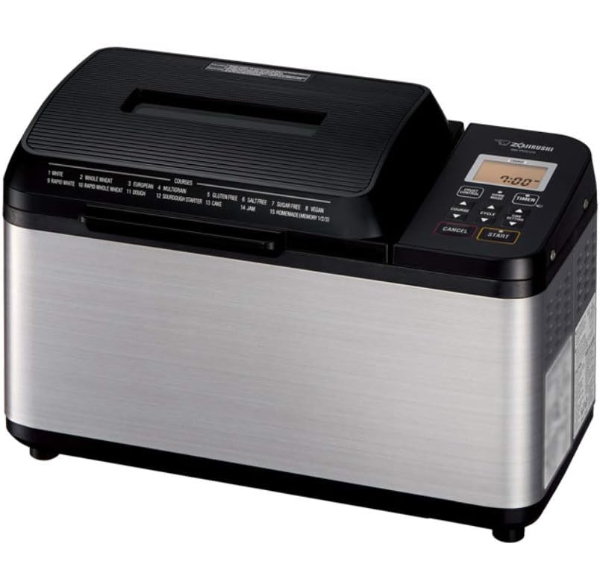 Entering the world of home baking can be intimidating due to the variables of yeast activity, ambient temperature, and hydration levels. A bread maker acts as a controlled environment - a micro-climate that manages the proofing temperature and kneading torque required to develop gluten structure. For beginners, the goal is consistency. By automating the "knead, rise, punch, rise, bake" cycle, these machines eliminate the manual labor and guesswork that often lead to dense, unrisen bricks.
Best Drying Racks for Small Kitchens
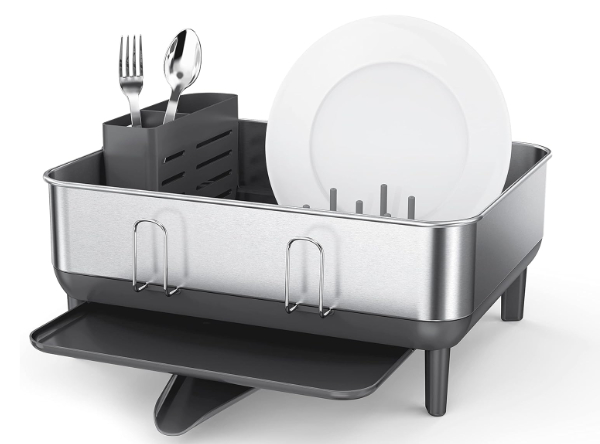 Maximizing limited countertop real estate requires more than just a smaller rack; it necessitates a fundamental understanding of how water moves and how materials resist the corrosive environment of a kitchen. For many apartment dwellers and homeowners with compact kitchens, the primary hurdle isn't just the physical dimensions of the rack, but the secondary impact of stagnant water and mold growth that occurs when drainage is poorly engineered. A high-quality drying rack should act as an extension of your sink, efficiently moving moisture away from your dishes and back into the drain without occupying every spare inch of your workspace.
 Best Electric Kettles
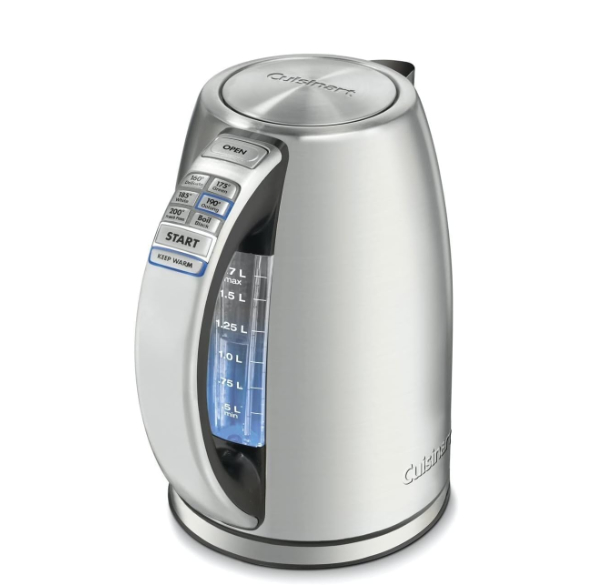 For many, an electric kettle is a simple commodity, but the physics of heating water reveals a massive gap between bargain-bin models and professional-grade hardware. The primary technical hurdle is Thermal Transfer Efficiency - how quickly and safely a heating element can move energy into the water without wasting electricity or melting its own internal components. Most modern high-speed kettles utilize a 1500-watt heating element, which is the maximum safe draw for a standard North American 120V household circuit. When we review these, we are looking for how well that power is managed to prevent "overshooting" your target temperature.
Best Smart Composters
 The "Smart Composter" category has recently exploded as homeowners look for ways to reduce their carbon footprint without the mess of traditional outdoor bins. To be clear, these devices are technically sophisticated food processors that use a combination of heat, abrasion, and airflow to dehydrate and grind organic waste. This process avoids the anaerobic decomposition that leads to methane production in landfills, but it also means you are managing a high-tech appliance on your countertop. The primary "friction points" for most buyers are the recurring costs of carbon filters and the physical space these units occupy.
Best Pellet Smokers
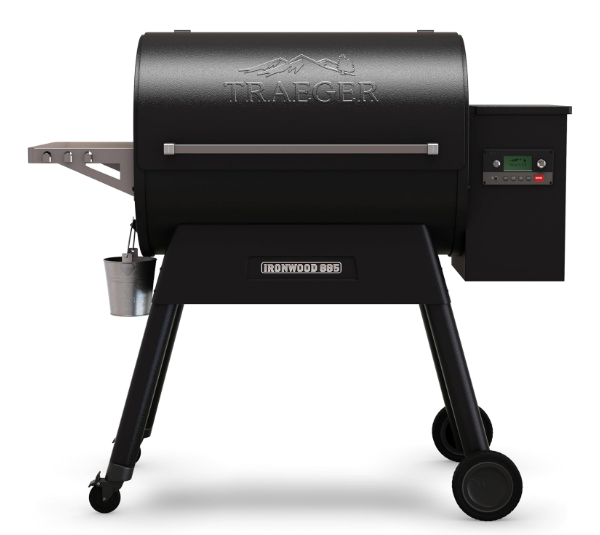 Pellet grills have fundamentally shifted the "friction points" of outdoor cooking. For years, homeowners were forced to choose between the push-button ease of gas and the rich, complex flavor of charcoal or stick-burning smokers. The modern pellet grill solves this by using a motorized auger to feed compressed wood sawdust (pellets) into a fire pot, governed by a digital brain. It is essentially a high-tech convection oven that uses wood as its fuel source, allowing you to set a temperature and walk away for twelve hours without fear of a flare-up or a dead fire.
Best Pizza Ovens
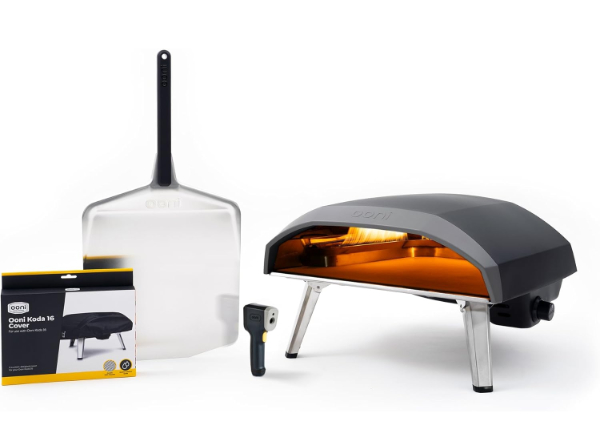 The gap between a "good" home pizza and a "great" pizzeria-quality pie usually comes down to temperature. Most domestic ovens max out at 500°F, which bakes dough rather than searing it. Professional-grade pizza ovens utilize specialized burners and thick ceramic stones to reach 950°F (500°C), enabling the "Leopard spotting" and airy crust structure that defines authentic Neapolitan style. However, high heat brings high friction: fuel management, stone recovery times, and the learning curve of a 60-second bake can be intimidating for beginners.
Best BBQ Grills
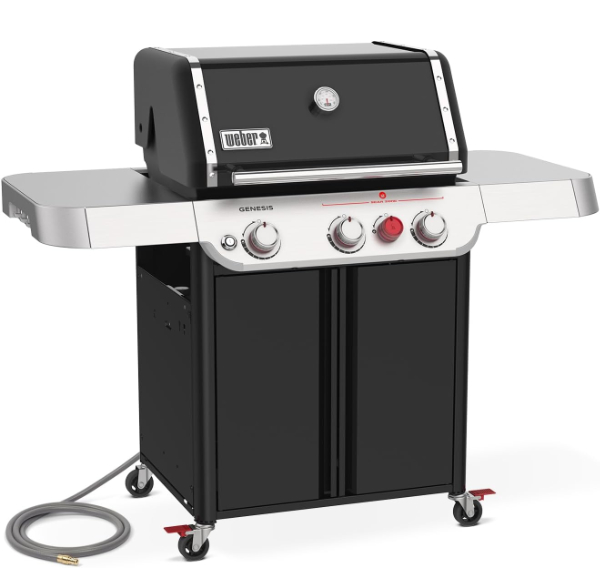 Buying a grill often feels like choosing between a high-tech kitchen appliance and a heavy-duty industrial furnace. The market is flooded with "BTU" numbers that don't tell the whole story and "stainless steel" labels that hide low-grade alloys prone to rust. At its core, a great grill is a study in thermal management - the ability to reach high temperatures for searing while maintaining even heat distribution to avoid "hot spots" that ruin your dinner. Whether you're tethered to a natural gas line or prefer the ritual of lighting charcoal, the goal is consistent, repeatable results.
Best Slow Cookers
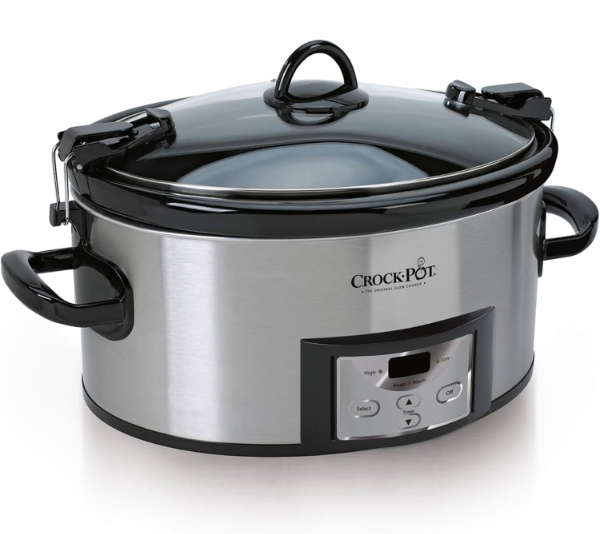 The slow cooker remains a foundational appliance in the modern kitchen, despite the rise of high-speed pressure cookers. Its primary appeal lies in its ability to facilitate long-duration, low-temperature braising, which transforms tough cuts of meat into tender meals and allows flavors to meld in a way that rapid cooking cannot replicate. In current kitchen environments, the best models are defined by precise digital controls, locking lids for transport, and efficient heat distribution that prevents the "hot spots" common in older, manual units.
Best Kitchen Knife Sets
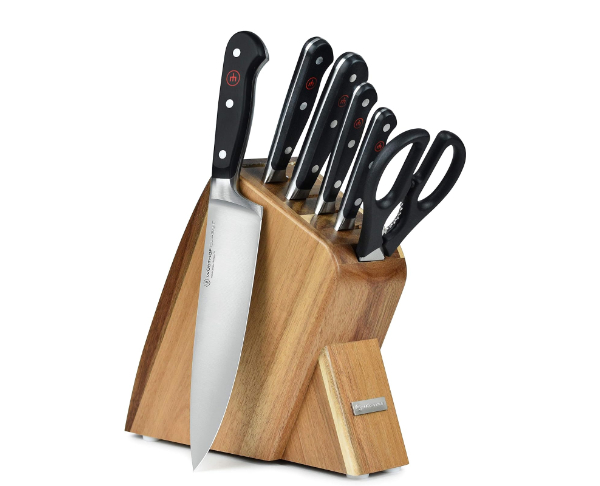 Investing in a high-quality kitchen knife set is a foundational step for any home cook or professional chef. A proper set eliminates the frustration of dull blades and poor ergonomics, replacing it with the efficiency of specialized tools designed for specific tasks. While many mass-market sets include unnecessary fillers, professional-grade collections focus on core essentials: a versatile chef’s knife, a precision paring knife, and a reliable serrated blade. As noted by experts at Reviewed and The Strategist, the difference between a standard set and a premium one often lies in the steel quality, the forging process, and the balance of the blade.
Best Coffee Makers
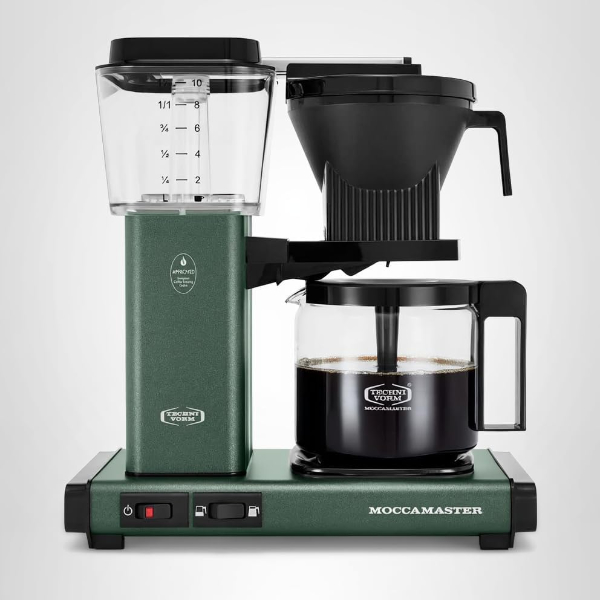 The resurgence of high-fidelity home brewing has moved beyond the convenience of capsules toward the precision of SCA-Certified (Specialty Coffee Association) home brewers. Unlike standard machines, these devices are engineered to meet strict "Golden Cup" standards, ensuring water maintains a temperature between 197.6°F and 204.8°F and completes the brew cycle within a specific time window to avoid over-extraction. For the discerning consumer, the shift away from pods represents a commitment to both flavor complexity and environmental sustainability.
 Best Countertop Ice Makers
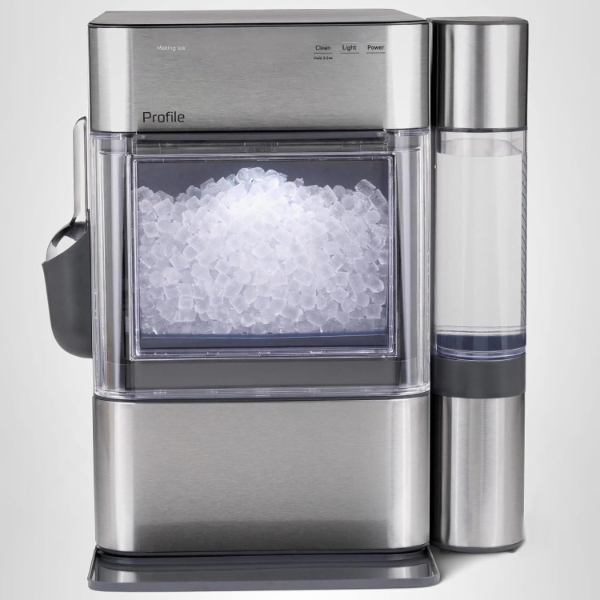 Countertop ice makers have transitioned from luxury novelties to essential kitchen appliances, driven by advancements in miniaturized vapor-compression refrigeration and specialized ice-forming geometries. Unlike traditional freezer-integrated units, these portable devices utilize independent evaporator systems designed for rapid heat exchange. This allow users to produce ice in cycles as short as six minutes, bypassing the thermal lag associated with larger, multi-purpose refrigeration cabinets. The technical landscape is primarily divided between bullet-ice generators, which use submerged evaporator fingers, and nugget-ice extruders, which utilize auger-driven compression.
Best Cutting Boards
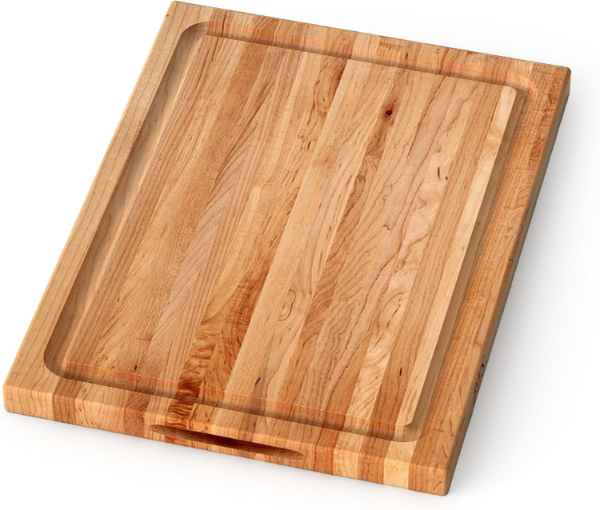 The selection of a countertop cutting board is fundamentally a study in material science and tribology - the science of interacting surfaces in relative motion. A cutting board serves not merely as a platform for food preparation but as a sacrificial interface designed to protect the microscopic integrity of a knife's apex. The primary technical conflict in this category involves the balance between surface hardness, which ensures board longevity and hygiene, and surface resilience, which prevents the rapid blunting of high-carbon or stainless steel blades through excessive impact energy.