
Stop Guessing, Start Choosing!
Honest, in-depth product reviews to help you buy the best products with confidence.
Our Latest Top Rated Picks For Kitchen
Best Small Wine Refrigerators
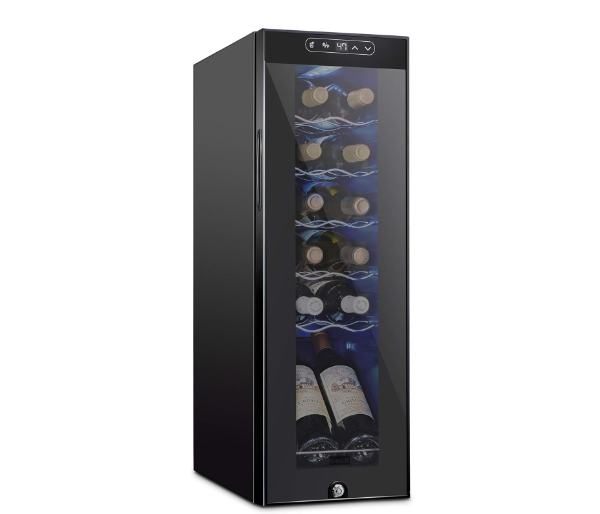 The challenge of storing a small wine collection - typically fewer than 36 bottles - is often underestimated. Unlike high-capacity cellars, small wine refrigerators must combat ambient temperature spikes with less internal thermal mass, making the choice of cooling technology paramount. In this sub-36 bottle category, consumers must navigate the trade-offs between the silent operation of thermoelectric systems and the heavy-duty cooling power of compressor-based units.
 Best Stand Mixers
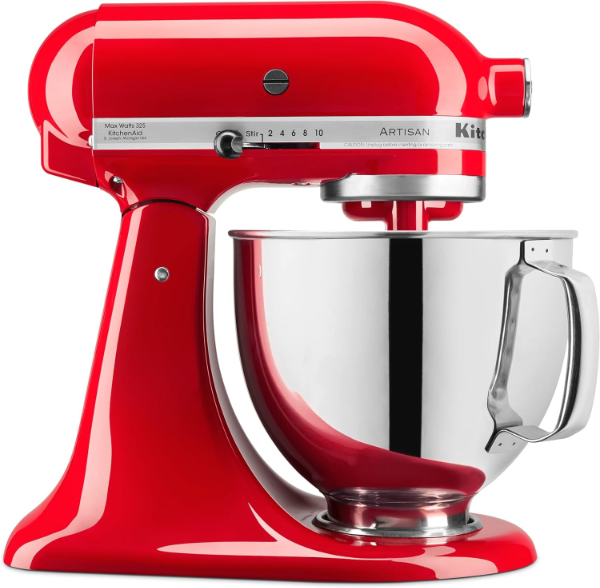 The stand mixer is the mechanical cornerstone of the serious kitchen, serving as a force multiplier for complex emulsions and heavy glutinous structures. Unlike handheld alternatives, these machines utilize high-torque motors and sophisticated gearing to maintain consistent rotational velocity under significant resistance. To evaluate these tools, one must look beyond simple wattage - which often measures energy consumption rather than output power - and instead analyze the drive system architecture, heat dissipation, and the precision of the planetary mixing path.
Best Built-in Dishwashers
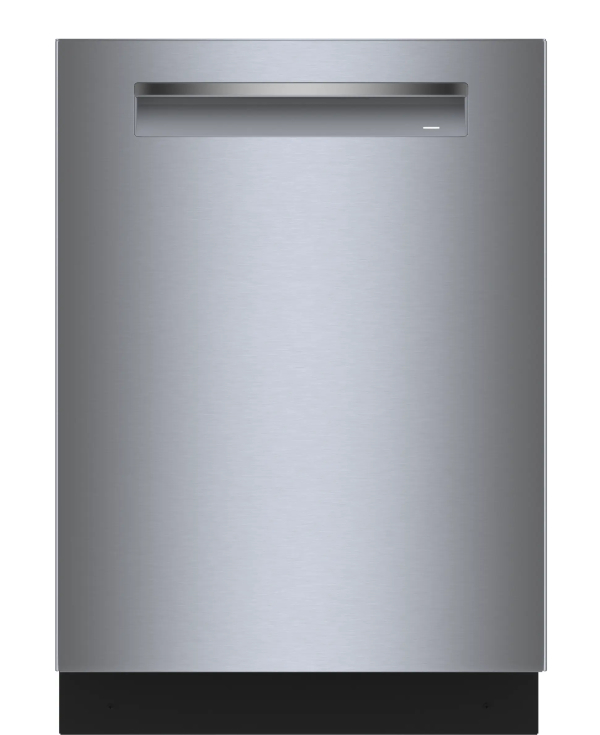 Selecting a built-in dishwasher in the modern era requires a shift in focus from simple mechanical scrubbing to sophisticated sensor-driven water management and advanced thermodynamic drying. As energy regulations tighten, manufacturers have moved away from high-wattage exposed heating elements in favor of condensation drying, zeolite minerals, and automatic door-opening systems. These innovations not only protect delicate plastics from warping but also significantly reduce the appliance's noise floor, with premium models now operating at levels nearly imperceptible to the human ear.
Best Hand Mixers
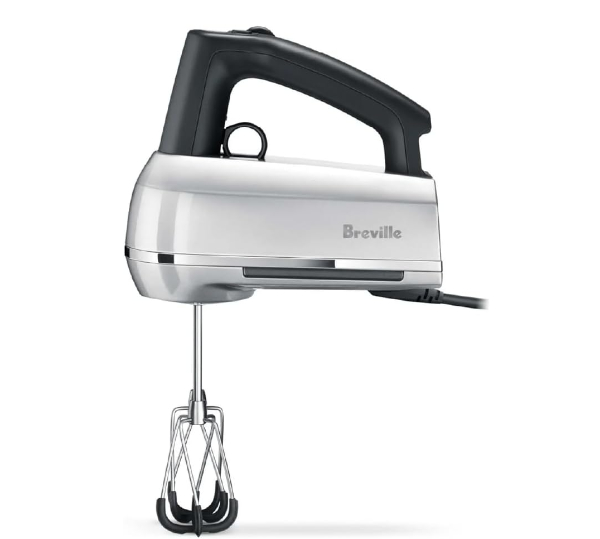 The modern kitchen hand mixer has evolved far beyond its origins as a simple tool for aerating eggs. Today's high-performance models bridge the gap between manual whisking and heavy-duty stand mixers, offering sophisticated electronic speed controls and high-torque motors capable of handling stiff cookie doughs and bread starters. For the serious home baker, the selection of a hand mixer hinges on three technical pillars: torque consistency at low speeds, vibrational dampening, and the structural integrity of the attachment interface.
Best Food Storage Containers
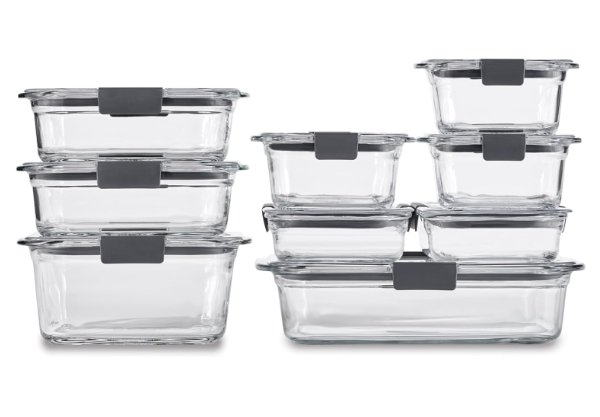 The food storage category has evolved far beyond the flimsy, disposable "tubs" of previous decades. Modern storage is a balance of material science and mechanical engineering. Whether you are dealing with the moisture-wicking properties of dry pantry staples or the thermal stress of moving a glass container from a 40?F refrigerator to a 350?F oven, the physics of food preservation matter. Choosing the wrong container doesn't just lead to cabinet clutter; it results in oxidative browning and the premature degradation of expensive ingredients.
Best Kitchen Refrigerators
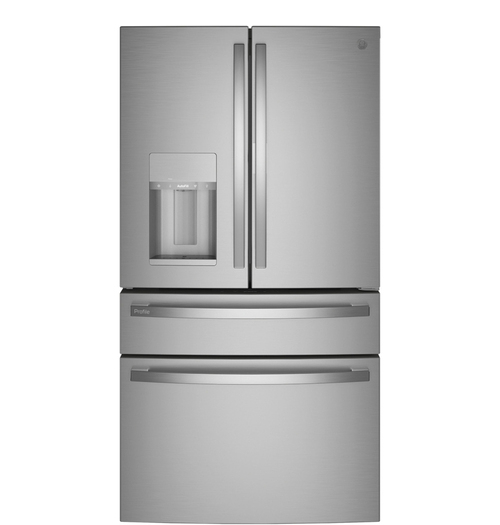 The landscape of kitchen refrigeration is currently defined by a shift toward "modular" cooling and specialized preservation. While standard French-door layouts remain the dominant form factor, the integration of dual-evaporators and dedicated variable-temperature drawers has fundamentally changed how we store perishables. High-end units now separate the airflow between the refrigerator and freezer compartments, a technical necessity to prevent the dry, sub-zero air of the freezer from dehydrating fresh produce or transferring odors to ice cubes. Furthermore, the rise of "counter-depth" styling has challenged manufacturers to maximize internal volume through thinner, more efficient insulation technologies like vacuum panels.
Best Rice Cookers
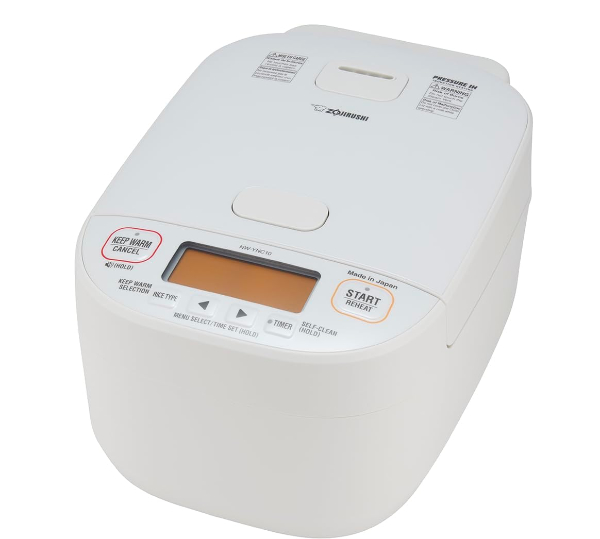 Modern rice cookers have transitioned from simple heating elements to sophisticated culinary computers. At the high end of the market, the technology centers on Induction Heating (IH) and Advanced Fuzzy Logic. Unlike traditional cookers that rely on a single thermal plate at the base, IH models utilize magnetic coils to turn the entire inner pot into a heat source. This allows for instantaneous temperature adjustments and a more uniform heat distribution, which is critical for the complex starch-to-sugar conversion required for premium short-grain rice. According to Wired, these micro-adjustments prevent the "mushy" exterior often found in stovetop preparations.
Best Air Fryers
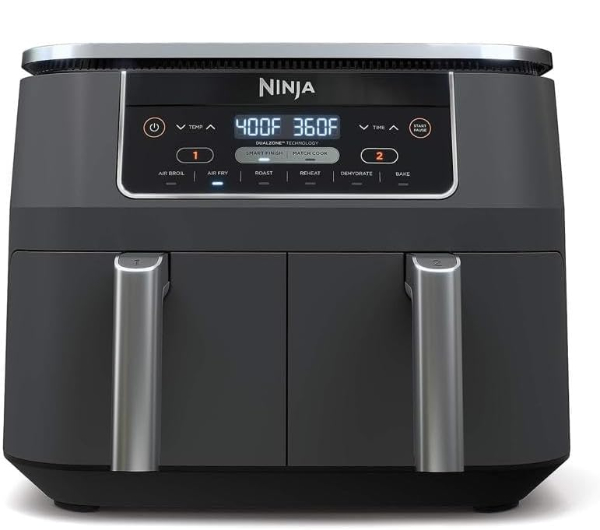 The modern air fryer is fundamentally a high-powered countertop convection oven optimized for the Maillard reaction. By utilizing a high-RPM fan and a concentrated heating element, these devices achieve a state of "super-convection," where the heat transfer coefficient is significantly higher than that of a traditional oven. This technical evolution allows for the rapid dehydration of surface moisture, creating a crisp exterior analogous to deep-frying but with a fraction of the lipid content. When evaluating these units, technical researchers focus on airflow uniformity, temperature recovery times, and the precision of the onboard thermal sensors.
Best Toasters
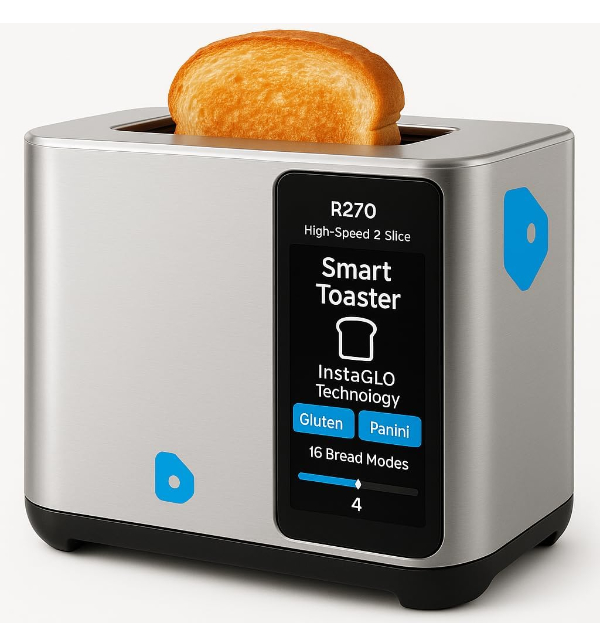 The engineering of a high-performance toaster transcends the simple application of heat. At its core, toasting is a controlled execution of the Maillard reaction - a chemical interaction between amino acids and reducing sugars that creates the distinct brown color and complex flavor profile of toasted bread. Achieving this consistently requires precise management of radiant heat flux and internal moisture retention. Traditional toasters often struggle with thermal gradients, leading to uneven browning across the surface area of the crumb.
Best Kitchen Blenders
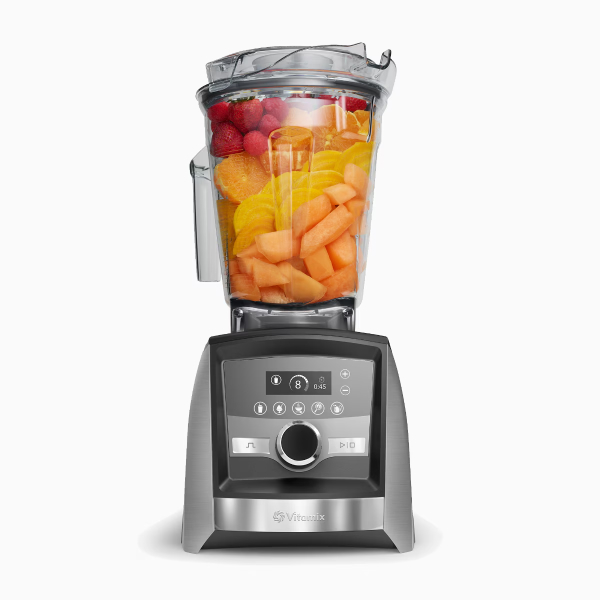 The distinction between a consumer-grade blender and a high-performance culinary station lies in the management of fluid dynamics and mechanical shear. To achieve a perfectly homogenous emulsion or to pulverize fibrous greens into a cellular-level liquid, a machine must maintain consistent RPM under load while effectively dissipating the heat generated by friction. In this technical landscape, we evaluate machines based on their ability to create a persistent vortex, the structural integrity of their drive couplings, and their thermal resilience during extended duty cycles.
Best Pod Coffee Makers
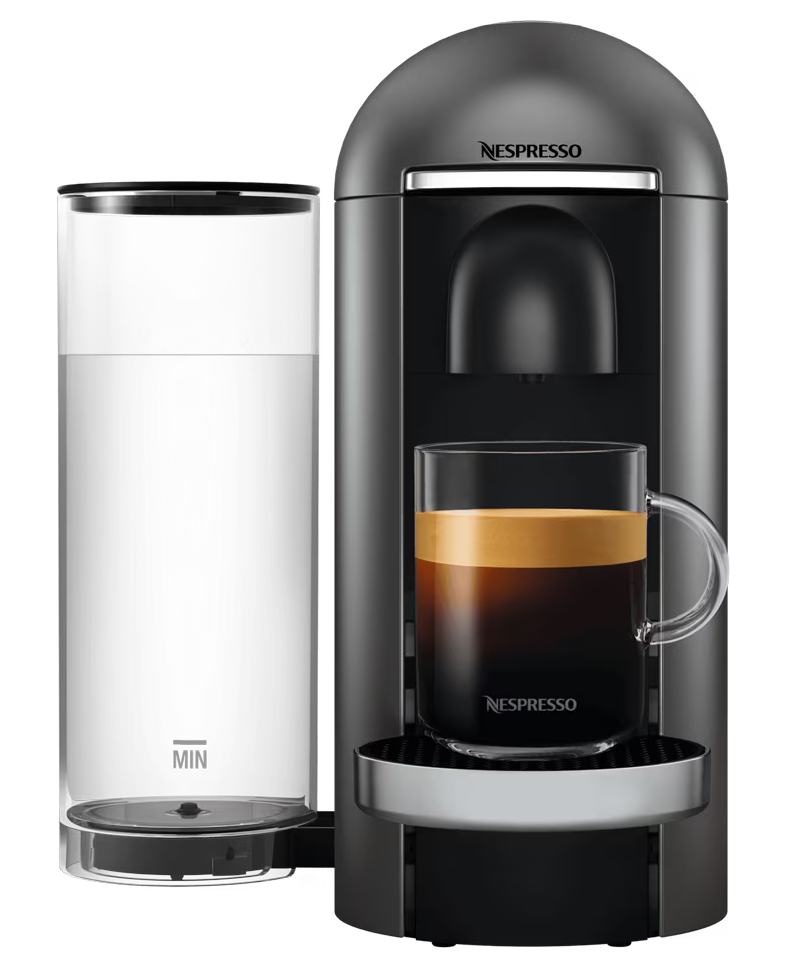 The evolution of pod-based coffee systems has transitioned from simple convenience to sophisticated fluid dynamics and thermal engineering. Modern machines must balance the precise temperature requirements of Arabica and Robusta blends - typically between 195°F and 205°F - while managing rapid heat-up times through high-efficiency thermoblock systems. Unlike traditional drip carafes, pod systems utilize varying extraction methods, ranging from high-pressure 19-bar pumps to centrifugal force, each dictating the resulting TDS (Total Dissolved Solids) and crema quality.