
Stop Guessing, Start Choosing!
Honest, in-depth product reviews to help you buy the best products with confidence.
Our Latest Top Rated Picks For Home
Best Automatic Toilet Bowl Cleaners
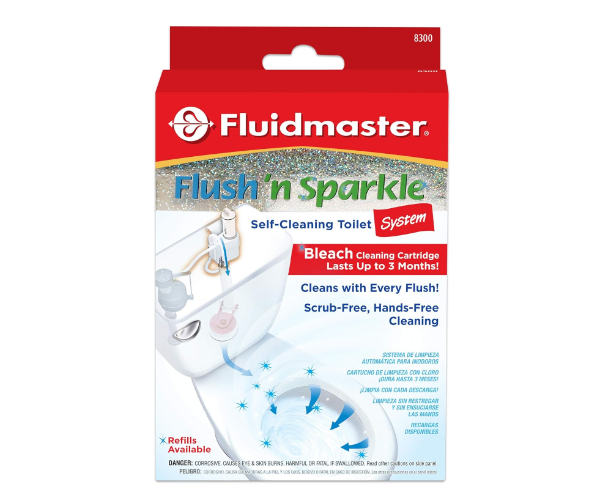 Maintaining a hygienic bathroom environment often feels like a losing battle against biology and chemistry. Every time you flush, a complex interaction occurs between water minerals - like calcium carbonate and magnesium - and organic biofilm. This leads to the "ring" around the bowl that seems impossible to prevent. Many consumers reach for drop-in bleach tablets, but there is a significant trade-off: high concentrations of chlorine (often exceeding 50,000 ppm in the tank) can degrade the silicone and rubber gaskets inside your toilet's flush valve, leading to costly leaks and "phantom flushes."
 Best Steam Mops
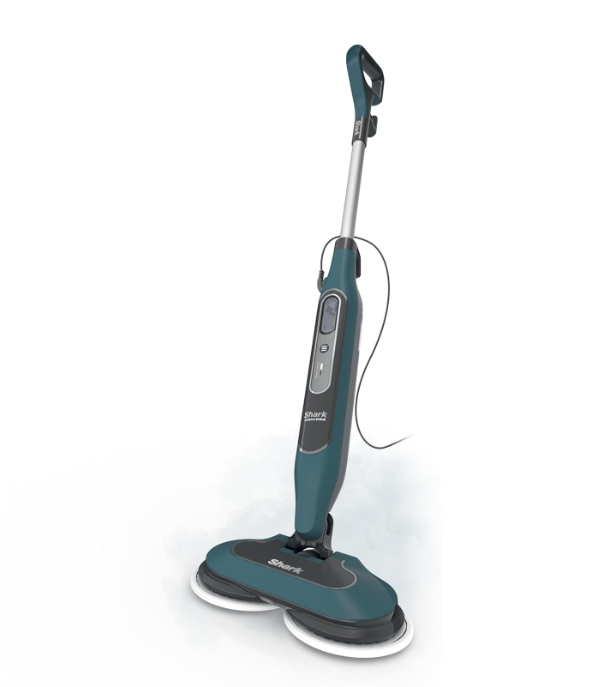 Steam mops have transformed floor maintenance by replacing chemical surfactants with the power of thermal energy. At its core, a steam mop uses a heating element to raise water temperatures to at least 212?F, creating a vapor that loosens grime and kills 99.9% of common household bacteria. This is a game-changer for those sensitive to the residues left by traditional liquid cleaners or for homes with young children and pets who spend time on the floor.
Best Dog GPS Trackers
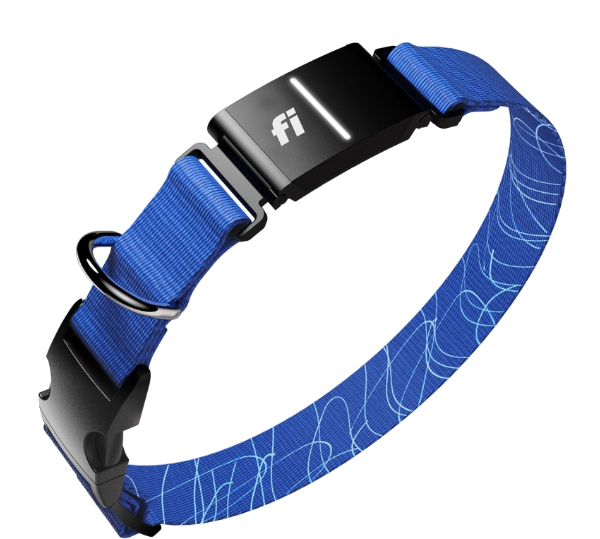 Losing a dog is a visceral fear that every pet owner understands. While traditional microchips are vital for identification, they are passive devices - they only work if someone finds your dog and takes them to a shelter. A GPS tracker is an active defense, providing real-time location data directly to your smartphone. The landscape of pet wearables has shifted from bulky, unreliable radio tags to sophisticated devices using the same LTE-M and GNSS technology found in high-end smartwatches.
Best Garment Steamers
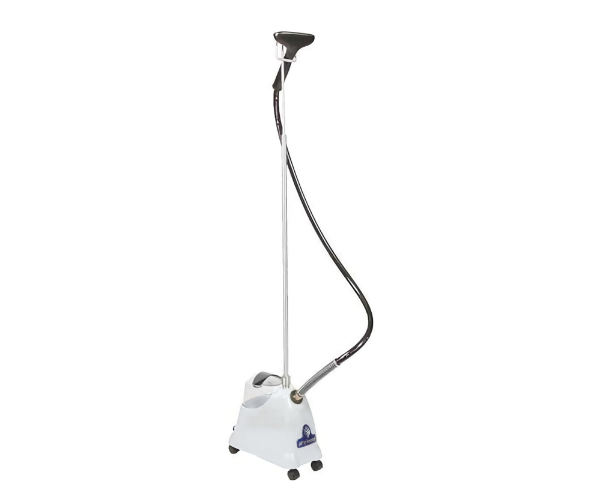 Understanding the difference between ironing and steaming is a matter of material science. While an iron uses a combination of high heat and physical weight to compress fabric fibers flat, a garment steamer uses moisture and thermal energy to relax the bonds between polymer chains in the fabric. This process - known as fiber relaxation - allows the garment to return to its natural, wrinkle-free state without the risk of "shining" or scorching delicate materials like silk, polyester, or wool blends. For the modern consumer, the decision often comes down to the trade-off between the massive water capacity of a floor unit and the maneuverability of a handheld device.
Best Desk Lamps for Home Offices
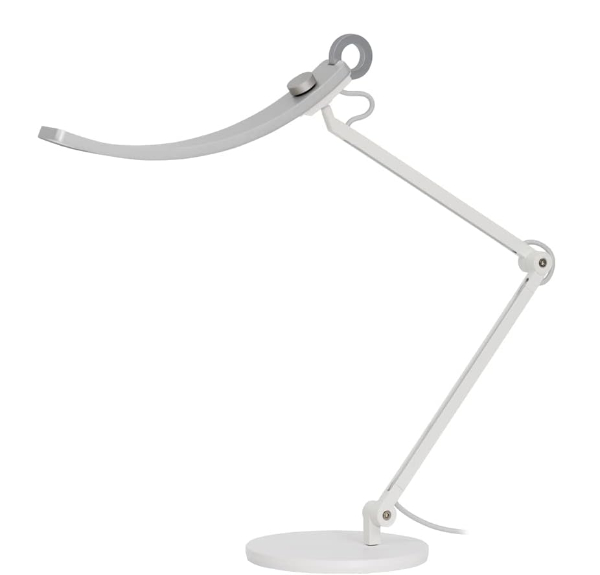 The modern home office is often a makeshift battlefield of glare and shadows. Most users rely on overhead lighting that causes screen reflections or cheap plastic lamps that flicker invisibly, leading to headaches and late-afternoon fatigue. Choosing a desk lamp isn't just about finding a pretty object for your table; it is about managing the lumen output and color temperature to match your circadian rhythm and the specific tasks at hand, from deep focus coding to color-accurate design work.
Best Laser Levels for DIY
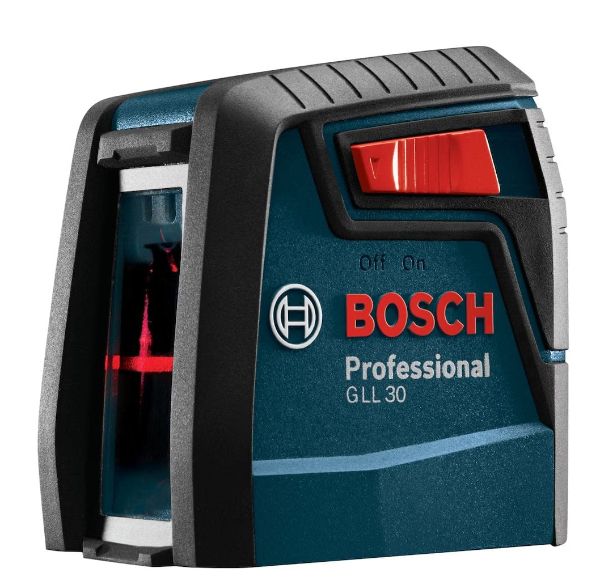 If you have ever tried to hang a gallery wall or install kitchen cabinets using a standard two-foot spirit level, you have likely experienced the frustration of "pencil-mark creep." A laser level eliminates this by projecting a perfectly straight line of light across your workspace. This technology relies on a self-leveling pendulum--a weighted internal mechanism that uses gravity to find "true level," even if the device itself is sitting on a slightly tilted surface. This means you spend less time squinting at bubbles and more time actually building.
Best Garage Door Openers
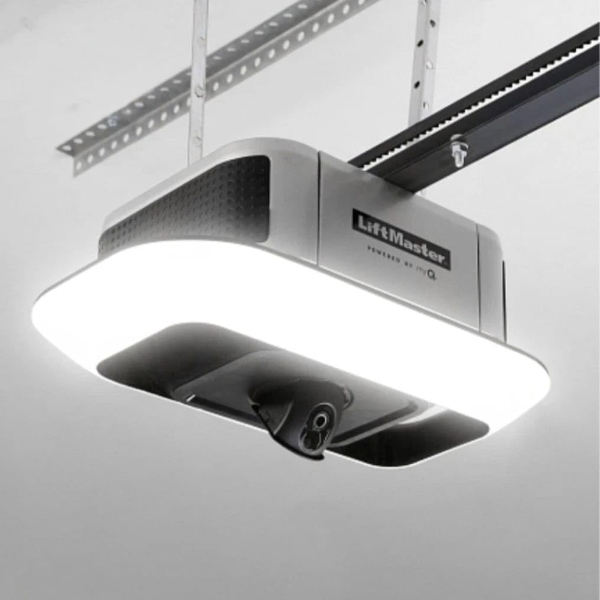 The primary worry for most garage door opener buyers is the fear of a complicated installation or the annoyance of a noisy motor that shakes the entire house. For decades, AC-powered chain drives were the standard, but they are essentially a bicycle chain rattling against a metal rail. Modern openers have transitioned to DC motors, which allow for "soft start and stop" mechanics. This means the door doesn't just slam into the floor; it slows down as it reaches the bottom, saving your door's hardware from premature wear.
Best Leaf Blowers
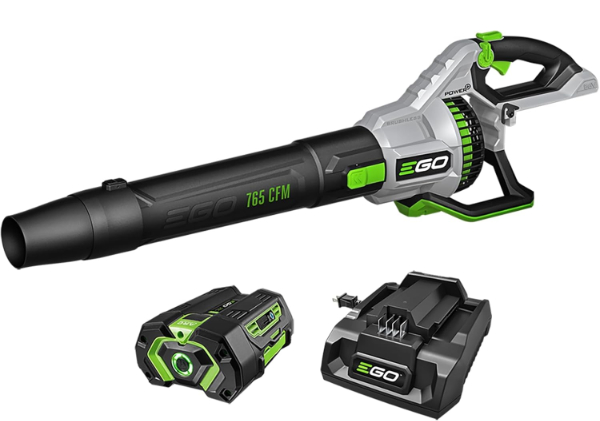 The transition from gas-powered leaf blowers to high-voltage electric systems has reached a tipping point where performance no longer requires a trade-off. For most homeowners, the primary "friction points" are runtime anxiety - the fear that a battery will die halfway through the yard - and the physical strain of carrying a heavy unit. Modern lithium-ion density has finally caught up to two-stroke engines, providing the "Newton force" (actual pushing power) needed to move matted, wet leaves without the maintenance headaches of spark plugs or fuel mixing.
Best Cooling Mattresses
 If your mattress feels like a giant heating pad by 2 AM, you don't necessarily need to drop three grand on a new bed. A high-quality cooling mattress topper is the "cheat code" for hot sleepers. The problem is that most cheap foam toppers are just giant sponges for body heat. To actually stay cool, you need materials that do the heavy lifting - like graphite to pull heat away, open-cell foam to let it escape, or Phase Change Material (PCM) to keep the surface feeling like the cool side of the pillow.
Best Cooling Pillows
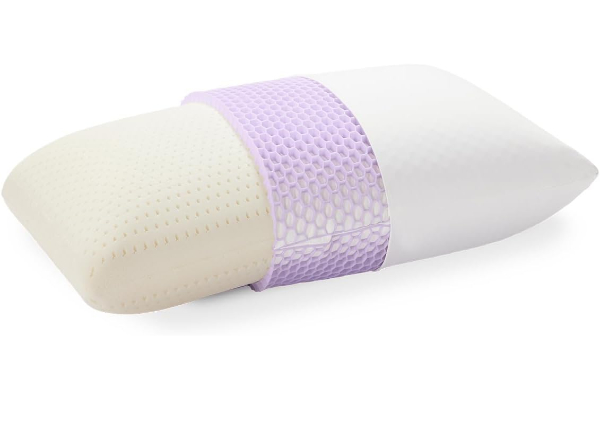 We’ve all been there: waking up at 3 AM with a sweaty neck, frantically flipping the pillow to find that one patch of coolness that lasts for exactly ten seconds. Most "cooling" pillows are a letdown because they use cheap covers that stop working the moment your body heat soaks in. To fix this, you need a pillow that doesn't just feel cold for a minute but actually moves heat away from your head while you sleep.
Best Battery-Powered Lawn Mowers
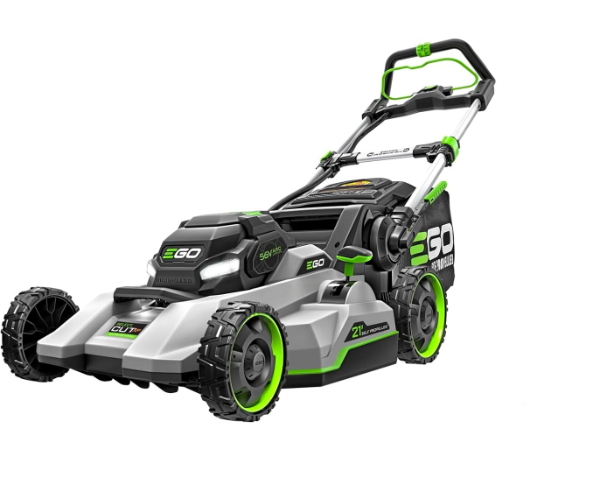 The transition from internal combustion to battery power in lawn care is no longer a matter of "if," but "when." For years, the primary friction point for consumers was the fear that a battery couldn't handle thick, wet grass or that the runtime wouldn't cover a standard quarter-acre lot. Today’s high-performance platforms, utilizing 56V, 60V, and even 80V systems, have largely solved the power gap. These machines now produce torque levels equivalent to 160cc-200cc gas engines, providing the "grunt" needed to maintain blade speed under load without the maintenance headache of spark plugs, air filters, and winterizing fuel.
Best Bidirectional EV Chargers
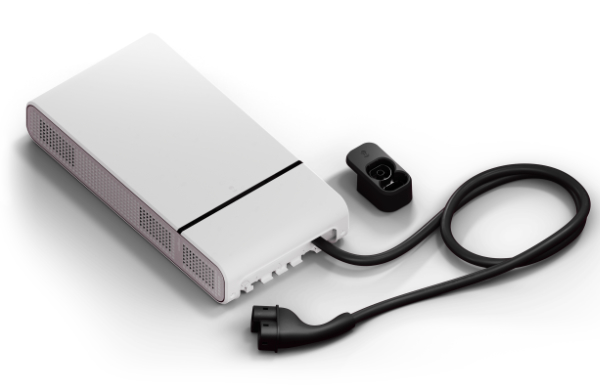 For a long time, electric vehicle chargers were essentially glorified extension cords. They took power from your wall and pushed it into your car. But the landscape has shifted. We are now entering the era of the "Bidirectional Charger," a device that allows electricity to flow both ways. This technology transforms your EV from a simple commuter tool into a massive mobile battery that can power your home during a blackout (Vehicle-to-Home or V2H) or even sell energy back to the utility company when demand is high (Vehicle-to-Grid or V2G).