
Stop Guessing, Start Choosing!
Honest, in-depth product reviews to help you buy the best products with confidence.
Our Latest Top Rated Picks For Travel
Best Essentials for a Long Airplane Ride
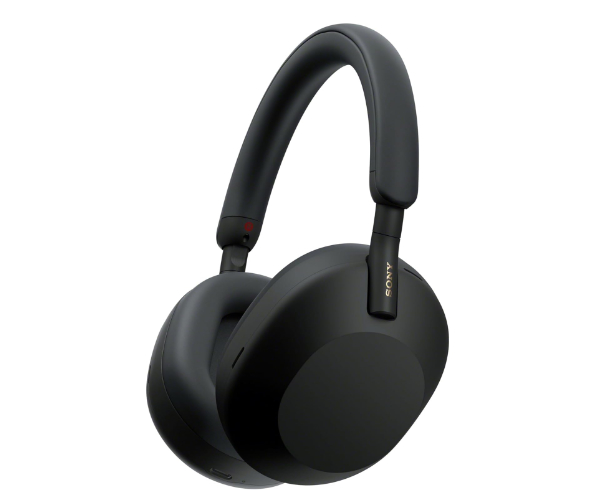 Long-haul flying is an endurance sport disguised as transportation. Between the pressurized cabin air (which is often as dry as the Sahara) and the ambient noise levels that hover around 80 decibels (dB), your body is under constant low-level stress. To survive a flight over six hours without feeling like a zombie upon landing, you need to manage three specific technical variables: acoustic insulation, ergonomic support, and power management.
Best Messenger Bags
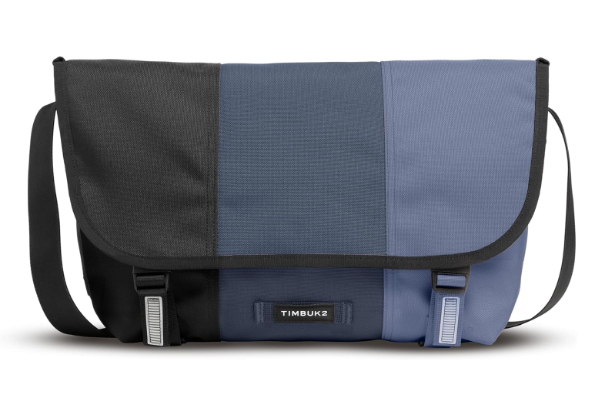 The messenger bag has evolved from a niche tool for bike couriers into the preferred carry solution for the modern "mobile office." Unlike backpacks, which require you to stop and unsling both straps to reach your gear, a messenger bag offers "on-the-fly" access. This is critical for commuters navigating crowded subways or professionals who need to grab a tablet or phone without breaking their stride. However, the convenience of a single-strap design comes with a technical challenge: weight distribution. A poorly engineered bag will pull on your neck or slide around your ribs, leading to fatigue over long distances.
Best Snorkeling Equipment for Tourists
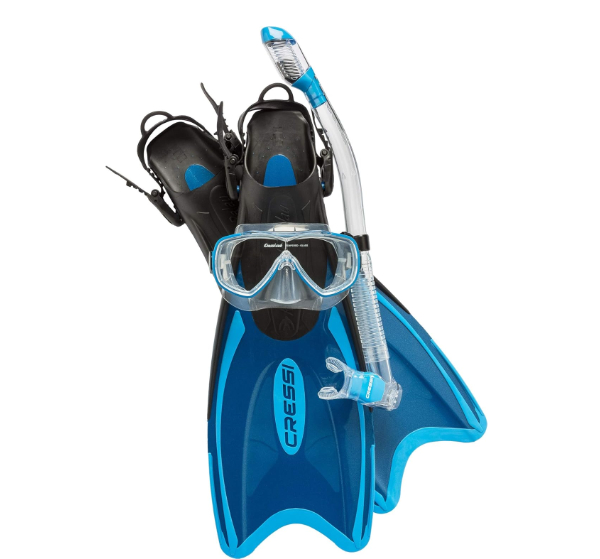 For most vacationers, snorkeling equipment is a "once-a-year" purchase, leading many to settle for the leaky, ill-fitting rentals provided by tour boats. However, the technical gap between rental-grade plastic and prosumer-grade silicone is the difference between a relaxing afternoon and a stressful battle with salt water in your eyes. When evaluating gear, we look at material science - specifically the move from PVC (polyvinyl chloride) to high-grade Liquid Injection Silicone (LIS). LIS offers superior flexibility and UV resistance, ensuring your mask seals against your face rather than just resting on it.
Best Day Packs for Tourists
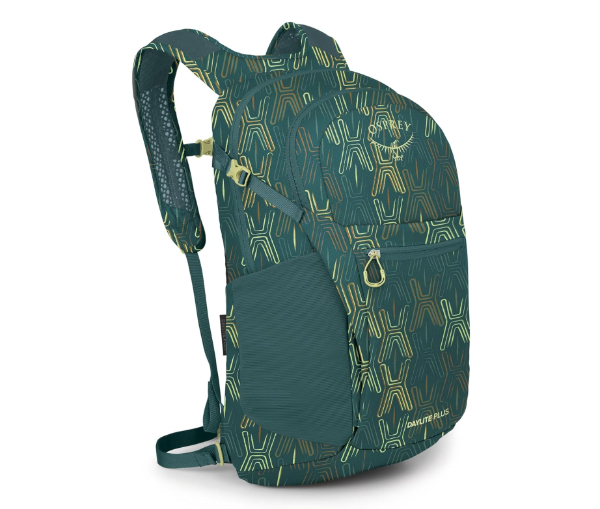 Choosing a 20-liter (20L) day pack is the "Goldilocks" decision for tourism. It is large enough to house a lightweight jacket, a 1.5L water bottle, a tablet or 13-inch laptop, and daily essentials, yet small enough to meet the stringent "personal item" requirements for most international budget airlines. However, the technical landscape of these bags is surprisingly complex. When you're walking 15,000 steps through cobblestone streets or standing in museum queues, the difference between a cheap "bookbag" and a engineered day pack comes down to load transfer and fabric science.
Best International Travel Essentials
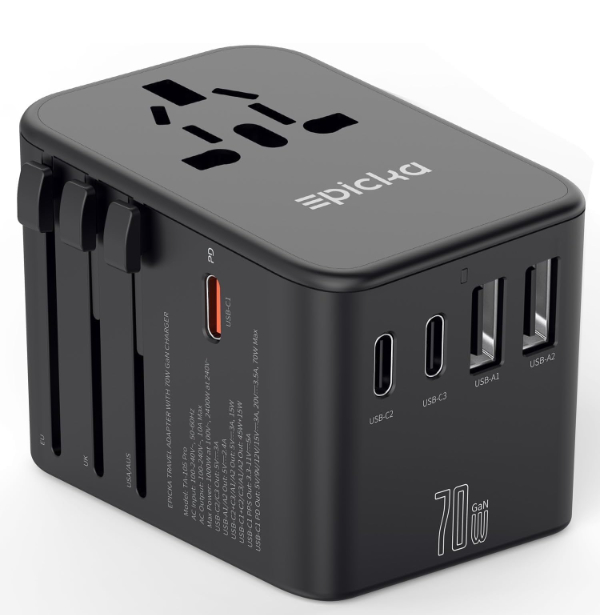 Preparing for international travel has evolved from simply grabbing a passport to managing a complex personal ecosystem of electronics, hygiene, and logistics. The technical landscape of global travel involves navigating varying electrical standards (from 110V to 240V), ensuring data security on public networks, and optimizing the physical weight-to-utility ratio of your luggage. When you are 5,000 miles from home, a failed charging port or a contaminated water source isn't just an inconvenience - it's a trip-ending logistical nightmare.
Best Translation Tools for Travelers
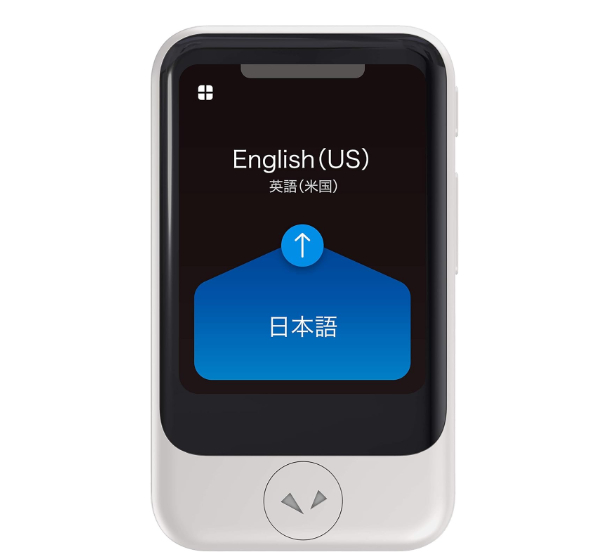 Stepping off a plane in a country where you don't speak the language used to mean frantic miming and pointing at menus. While smartphone apps exist, they often fail when you hit a dead zone or need to keep your expensive phone tucked safely away in a crowded market. Dedicated translation hardware has evolved into a category of specialized "Expert Peers" - devices that don't just swap words, but bridge cultural gaps with high-gain microphones and dedicated processors.
Best Dog Car Seat Covers
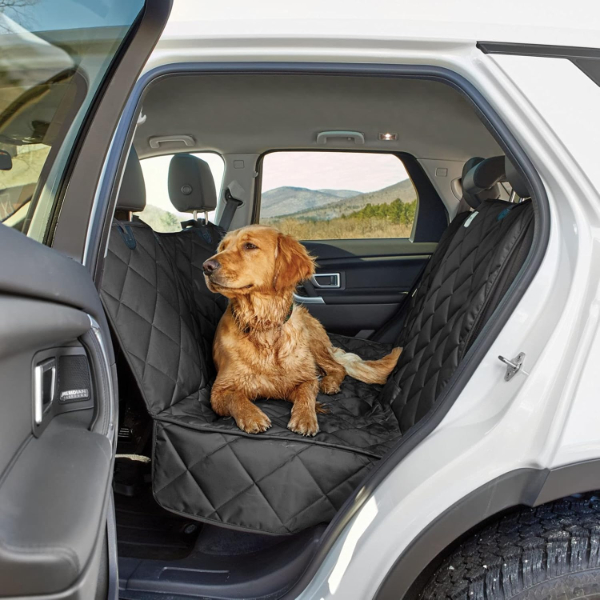 If you have ever tried to vacuum Labrador hair out of a car's floor mats, you know that a "clean car" and a "dog" are usually mutually exclusive concepts. The technical challenge of a dog seat cover isn't just about blocking mud; it's about material science. We are looking for high Denier (D) counts - a measurement of fiber thickness - to ensure that a 70-pound dog's claws don't puncture the waterproof barrier and ruin the leather or fabric underneath. A standard 600D Oxford fabric is the industry baseline for preventing "claw-through."
Best Car Windshield Sunshades
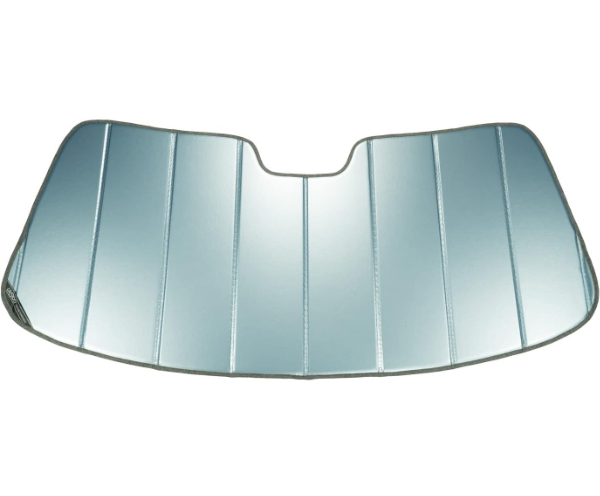 Your car's cabin is essentially a greenhouse. On a 90 F day, interior temperatures can spike to over 160?F in less than an hour, largely due to "solar load" - the energy transferred via the windshield. While most people think a sunshade is just a piece of foil, the technical reality involves a battle against three types of heat transfer: radiation (direct sun rays), conduction (heat moving through materials), and convection (swirling hot air). High-quality shades don't just "block the light"; they reflect specific wavelengths of Infrared (IR) and Ultraviolet (UV) light back through the glass before they can vibrate the molecules in your dashboard and turn into heat.
Best Portable Travel Cribs
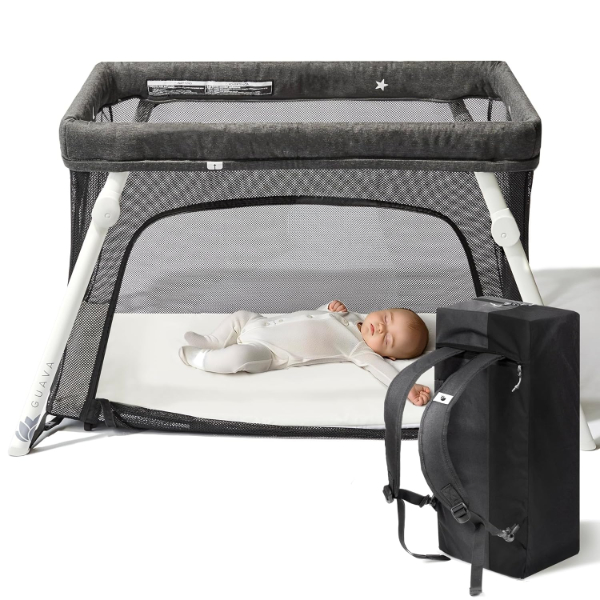 The "travel sleep gap" is a real technical challenge for parents: how do you replicate the safety and comfort of a 40-pound nursery crib in a package that fits into an airplane's overhead bin? For the prosumer parent, the answer lies in advanced frame geometry and textile science. A high-quality portable crib isn't just a folding box; it is a specialized sleep system that must meet rigorous ASTM (American Society for Testing and Materials) standards for structural integrity while remaining breathable enough to prevent CO2 rebreathing.
 Best Tech for a Cruise
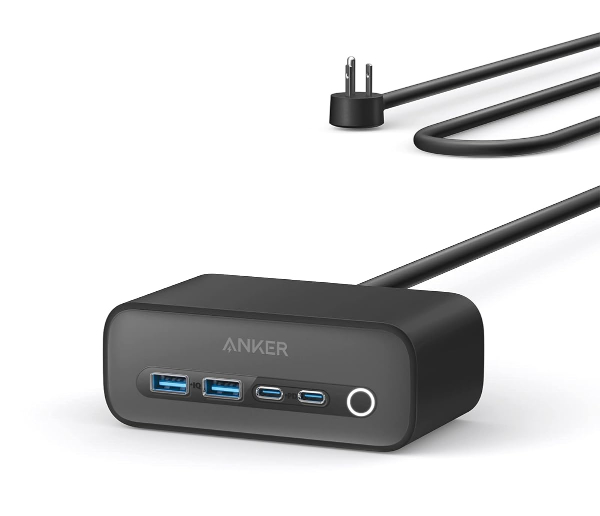 Outfitting yourself for a cruise is a technical challenge that differs significantly from a standard hotel stay. Because ships operate on an "isolated terra" (IT) grounding system, standard household surge protectors are considered fire hazards and are strictly prohibited. Furthermore, you are entering a high-density environment where metal bulkheads act as Faraday cages, often killing cell signals and challenging even the best Starlink-backed shipboard Wi-Fi. Selecting the right gear isn't just about luxury; it's about maintaining connectivity and power within these rigid maritime constraints.
Best ODB2 Scanners
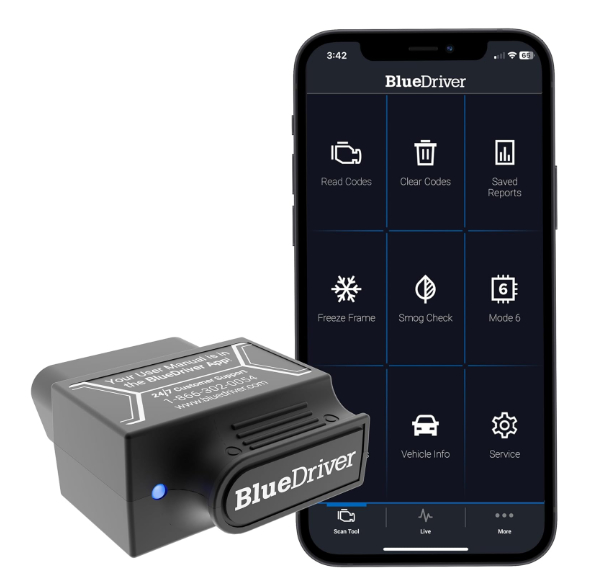 Since 1996, every car sold in the United States has been required to feature an On-Board Diagnostics (OBD2) port. This port is the gateway to your vehicle's brain, the Engine Control Unit (ECU). When a sensor detects an anomaly - whether it is a loose gas cap or a misfiring cylinder - the ECU logs a code and triggers the dashboard warning light. For years, these codes were the exclusive domain of mechanics with five-figure equipment, but the technical landscape has shifted. Modern diagnostic tools now allow any vehicle owner to plug in, read "Freeze Frame" data, and understand exactly what is happening under the hood.
 Best Diaper Bags for New Parents
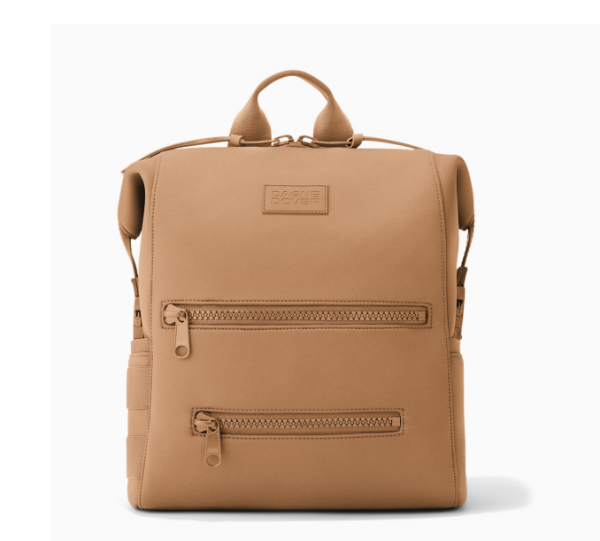 For decades, diaper bags were treated as secondary accessories--pastel-colored vinyl sacks that prioritized aesthetics over engineering. Today, the landscape has shifted. Modern diaper bags are high-performance gear, borrowing material science from the mountaineering and professional photography industries. When you are carrying 15 pounds of milk, wipes, and spare clothes, the difference between a cheap polyester strap and a dual-density foam shoulder pad isn't just a luxury; it's a matter of preventing chronic shoulder strain.