
Stop Guessing, Start Choosing!
Honest, in-depth product reviews to help you buy the best products with confidence.
Our Latest Top Rated Picks
Best Fishing Rods
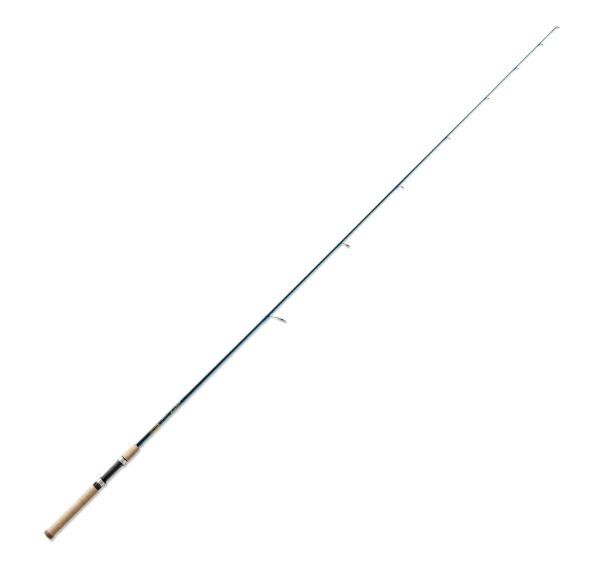 Choosing a fishing rod often feels like a lesson in material science you didn't ask for. Between "High Modulus Graphite," "Nano-resins," and "Fast Action" labels, the industry does a great job of hiding simple utility behind complex jargon. At its core, a rod is an extension of your nervous system; it needs to transmit the vibration of a fish's strike to your hand while providing enough backbone to pull that fish out of heavy cover. The difficulty lies in the trade-off between sensitivity (feeling the fish) and durability (not snapping the rod).
Best Solar Powered Outdoor Security Lights
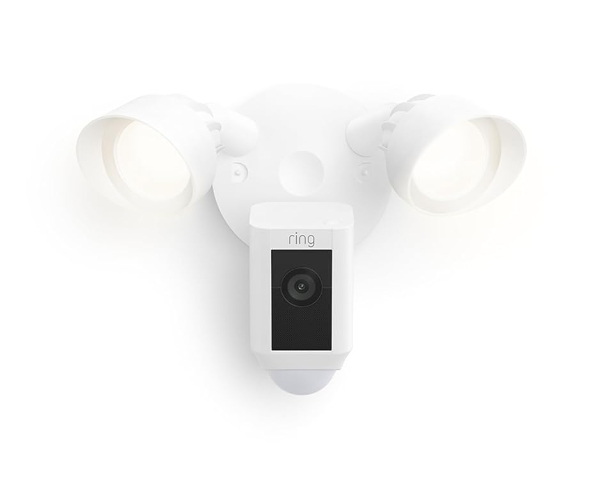 Transitioning to solar security lighting often feels like a gamble between sustainability and reliability. The primary frustration for most homeowners is "vampire drain" - where the light's internal sensors consume more power than the solar panel can generate during the day - resulting in a dead unit when you need it most. To find a truly effective system, you have to look beyond the raw lumen count and investigate the conversion efficiency of the photovoltaic cells and the sensitivity of the Passive Infrared sensors.
Best Day Packs for Tourists
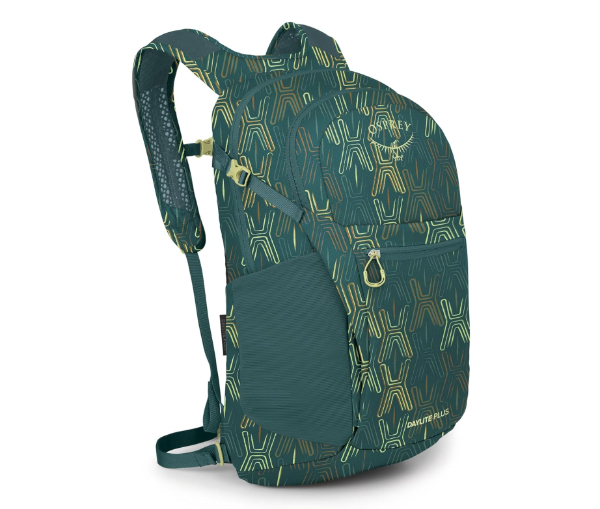 Choosing a 20-liter (20L) day pack is the "Goldilocks" decision for tourism. It is large enough to house a lightweight jacket, a 1.5L water bottle, a tablet or 13-inch laptop, and daily essentials, yet small enough to meet the stringent "personal item" requirements for most international budget airlines. However, the technical landscape of these bags is surprisingly complex. When you're walking 15,000 steps through cobblestone streets or standing in museum queues, the difference between a cheap "bookbag" and a engineered day pack comes down to load transfer and fabric science.
Best Treadmills
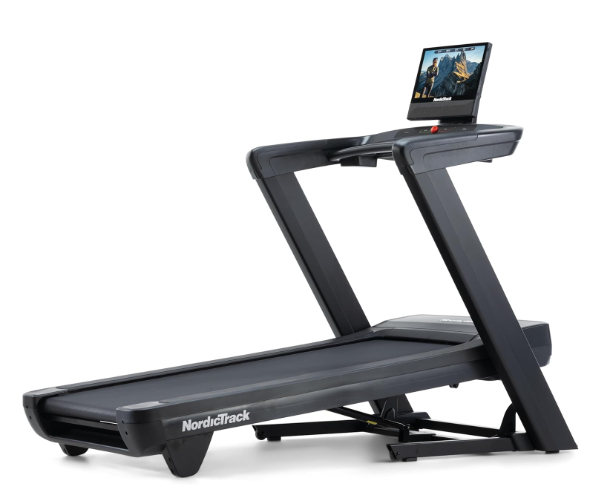 Buying a treadmill often feels like navigating a minefield of over-promised specs and hidden subscription costs. Most consumers find themselves caught between the desire for a "gym-quality" experience and the harsh reality of a machine that might end up as an expensive clothes rack in a cramped spare room. To make an informed choice, you must look past the flashy touchscreens and understand the material science of the belt, the thermal management of the motor, and the actual durability of the frame.
Best Pruning Shears for Backyard Gardeners
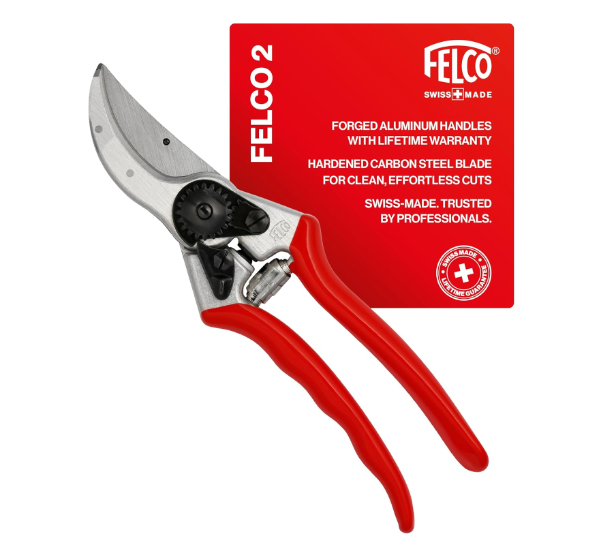 For the backyard gardener, a pair of pruning shears is the most frequently used tool in the shed. Yet, most consumers struggle with "crushing" cuts that lead to plant disease or hand cramps after just twenty minutes of work. The technical landscape of pruning tools is defined by the battle between bypass and anvil designs. While anvil shears act like a knife on a cutting board - fine for dead wood - bypass shears act like scissors, passing two sharp blades by each other to create a clean, surgical incision that allows live tissue to heal rapidly.
Best Skillets for a Gas Stove
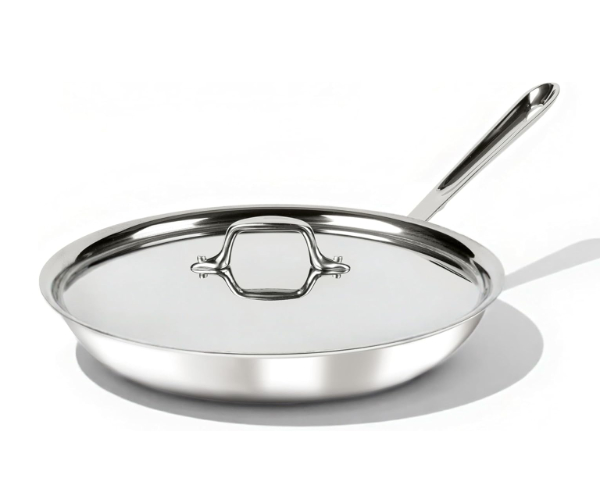 Cooking on a gas stove is an exercise in managing raw, immediate heat. Unlike induction or electric coils, gas burners produce an open flame that can wrap around the sides of a pan, creating "hot spots" where the flames lick the metal directly. To master this, a skillet needs more than just a brand name; it needs a physical construction capable of "smoothing out" that aggressive heat profile. We look for materials with high thermal conductivity and heavy bases that won't warp when exposed to the high-BTU output of a professional-grade home range.
Best Bug Zappers
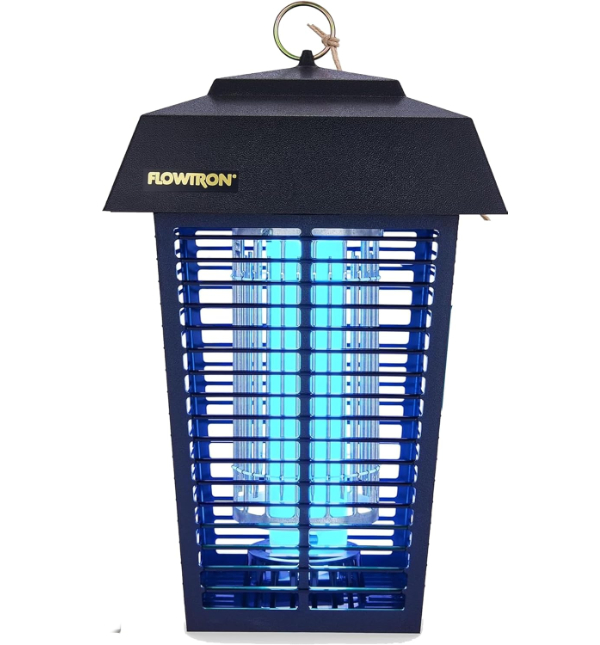 Modern electronic insect control has evolved significantly from the erratic, buzzing lanterns of decades past. Today's high-performance bug zappers utilize precise ultraviolet (UV) wavelengths, typically in the 365nm range, to exploit the phototactic behavior of flying pests. While the core mechanics—a light source surrounded by a high-voltage electrified grid—remain consistent, the engineering behind grid spacing, transformer efficiency, and weatherproofing differentiates a professional-grade unit from a generic consumer alternative. These devices are essential for managing dipteran populations (flies, gnats, and midges) and Lepidoptera (moths) in both outdoor living spaces and indoor sanitary environments.
Best Golf Rangefinders
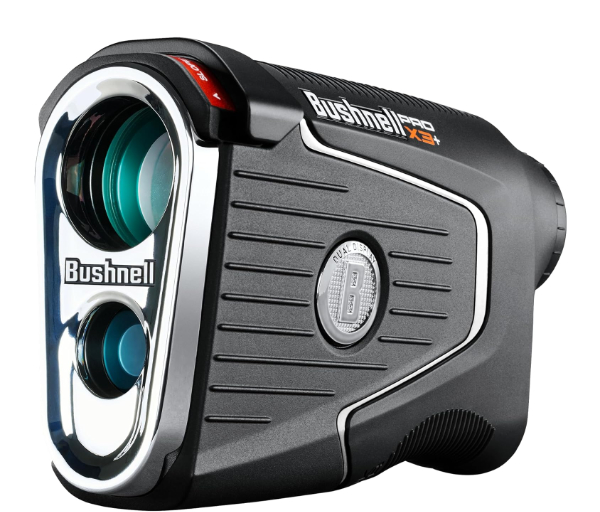 Choosing a rangefinder often feels like a battle between cost and precision. Most golfers struggle with "target lock"--the difficulty of hitting the pin instead of the trees behind the green. High-end optics and stabilization technology solve this by narrowing the laser's focus and smoothing out natural hand tremors. Whether you are a scratch golfer or just trying to break 100, having a reliable number in your hand reduces the hesitation that often leads to poor shots.
Best 14-inch Windows Laptops with Long Battery Life
 For years, Windows users had to carry a bulky charger everywhere, envying the "all-day" battery life found in competitors' ecosystems. That landscape has fundamentally shifted. The introduction of highly efficient processors, specifically the Intel Core Ultra series and the Snapdragon X Elite, has closed the gap. A 14-inch laptop is the "Goldilocks" of the tech world - large enough for serious work but small enough to disappear into a backpack. When we talk about battery life in this category, we aren't just looking for a big battery; we are looking for a smart machine that knows how to sip power when you're writing an email and gulp it only when you're rendering video.
 Best International Travel Essentials
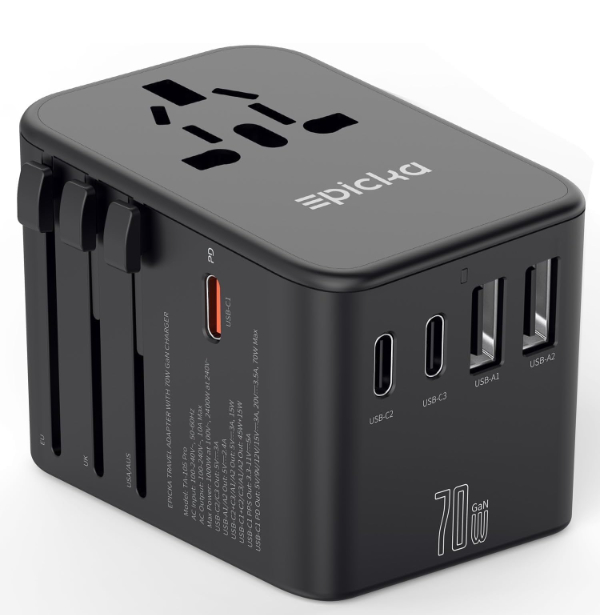 Preparing for international travel has evolved from simply grabbing a passport to managing a complex personal ecosystem of electronics, hygiene, and logistics. The technical landscape of global travel involves navigating varying electrical standards (from 110V to 240V), ensuring data security on public networks, and optimizing the physical weight-to-utility ratio of your luggage. When you are 5,000 miles from home, a failed charging port or a contaminated water source isn't just an inconvenience - it's a trip-ending logistical nightmare.
Best Collagen Supplements
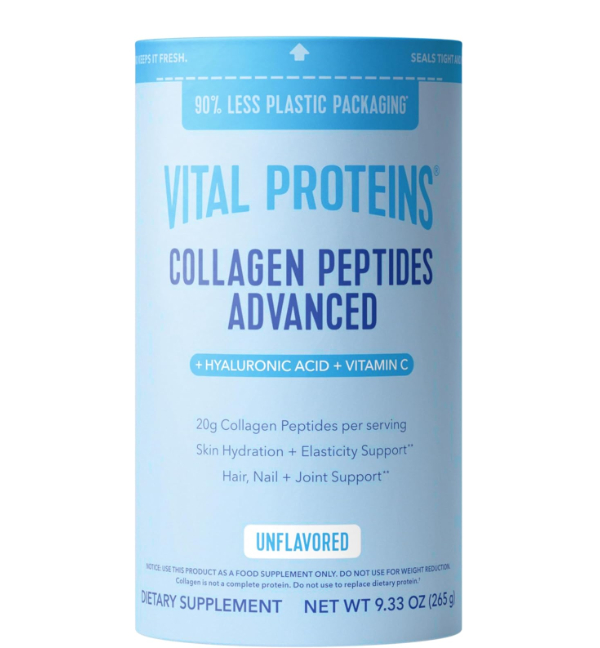 Collagen is the "glue" of the human body, making up about 30% of your total protein. As we age, our bodies produce less of it, leading to the common friction points of stiff joints and less elastic skin. However, the market is flooded with "collagen" products that the body simply cannot absorb. The secret lies in the molecular weight, measured in Daltons. Standard collagen is too large to pass through the intestinal wall; for a supplement to be effective, it must be hydrolyzed into smaller "peptides."
Best Self-cleaning Litter Boxes
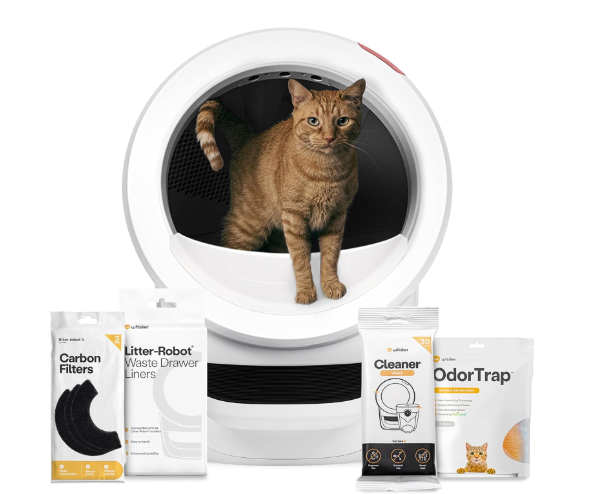 The traditional litter box has undergone a massive technological shift, moving from static plastic pans to sophisticated IoT (Internet of Things) appliances. Modern self-cleaning units utilize various mechanical methods - rotating globes, raking arms, or even high-pressure washing cycles - to isolate waste and trap odors. For the cat owner, the appeal is clear: reducing the daily manual chore to a weekly bag swap. However, the complexity of these machines introduces new considerations, such as sensor sensitivity, motor noise levels, and the ongoing cost of proprietary consumables.